Est. 1839 · National Register of Historic Places · Yellow Fever Epidemic Casualties · Galveston 1900 Hurricane Victims · Texas Republic Founders · Galveston City Founders
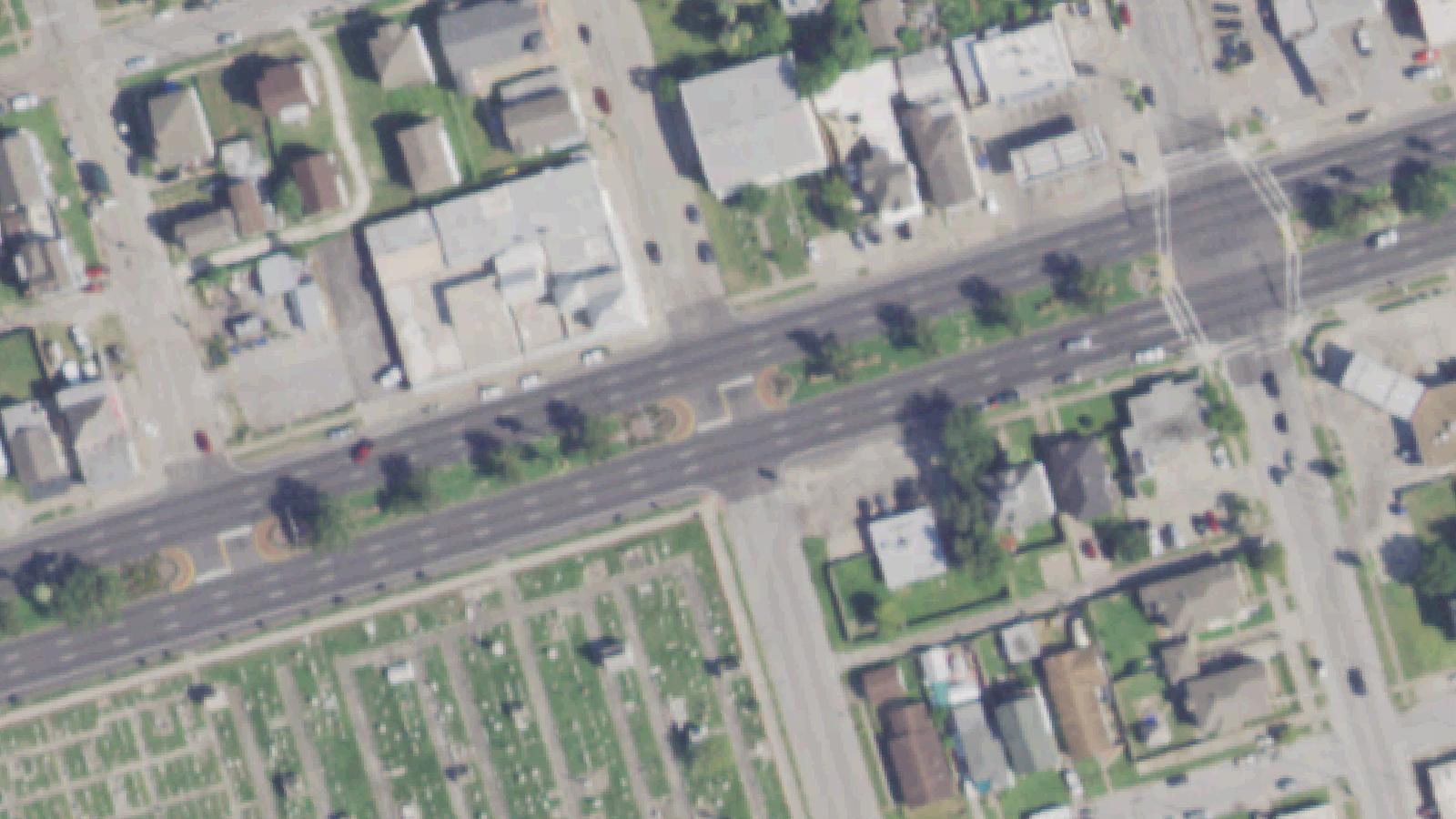
The Old City Cemetery was established in 1839 in the same year Galveston was incorporated, making it coeval with the city. It forms the northeastern portion of the Broadway Cemetery Historic District, a six-block complex bounded by Broadway Avenue, Avenue L, 43rd Street, and 40th Street, covering 15.27 acres with approximately 6,000 total burials across seven individual cemeteries. The district was listed on the National Register of Historic Places on June 13, 2014.
Galveston experienced nine yellow fever epidemics between 1839 and 1867. The disease killed in waves — in 1853, an estimated 523 people died and 60 percent of the city's population was affected. The 1867 epidemic was severe enough to trigger mass evacuations. These epidemics filled the Broadway cemeteries with victims who could not be treated with nineteenth-century medicine, and the Old City Cemetery in particular holds a large proportion of those dead. Some graves at the Old City Cemetery are three bodies deep, the result of grade elevations over the twentieth century that required coffins to be stacked.
Among the notable figures interred in the district are Michel Branamour Menard (1805–1856), the founder of Galveston; George Childress (1804–1841), primary author of the Texas Declaration of Independence; and John Melville Allen, the city's first mayor. The cemetery also holds victims of the 1900 Galveston hurricane, which killed more than 6,000 people across the island.
The most cited individual case in the Old City Cemetery is Elize Roemer Alberti. On December 4, 1894, Alberti administered morphine-laced wine to four of her six children — Willie, Dora, Ella, and Lizzie — in the kitchen of her Galveston home. All four died. A fifth child, Emma, was resuscitated at the hospital; a sixth, Wilhelmina, was in another room and escaped. Alberti was institutionalized at the San Antonio Asylum, later returned to Galveston, and died by suicide. She is buried in the same plot as the four children she killed — described in cemetery records as one of very few cases where a perpetrator of familial homicide shares a burial site with the victims.
Sources
- https://en.wikipedia.org/wiki/Broadway_Cemetery_Historic_District
- https://ghostcitytours.com/galveston/haunted-galveston/old-city-cemetery/
- https://historichouston1836.com/galveston-cemetery-historic-district-galveston-tx/
Residual hauntingApparitions
The Old City Cemetery's paranormal reputation rests almost entirely on its documented history rather than on specific witnessed phenomena. Ghost City Tours notes that there are no extensively documented reports of ghost sightings at the site, though paranormal investigation groups have conducted sessions here based on the density of traumatic deaths represented in the burial record.
The two most-cited figures in local ghost-tour narrative are Elize Roemer Alberti and Thomas Nicaragua Smith. Alberti, who poisoned four of her children with morphine-laced wine on December 4, 1894, and was subsequently institutionalized before dying by suicide, occupies the same burial plot as her victims. The shared grave — killer and killed, in the same ground — is presented on tours as the cemetery's most singular dark-historical feature.
Thomas Nicaragua Smith is described in ghost-tour accounts as a Confederate Army deserter who was executed, his restless spirit said to move through the older sections of the cemetery. Details about the nature and date of his execution circulate in tour operator materials.
The broader context of the cemetery — its nine yellow fever epidemics, its 1900 hurricane casualties, its stacked burials three bodies deep in sections where grade changes required coffins to be layered — creates an environment where the volume of traumatic death is itself the story. Whether or not apparitions have been observed here, the Broadway Cemetery District holds a documented record of mass mortality that is unusual even among historic Gulf Coast burial grounds.
Notable Entities
Elize Roemer Alberti (child poisoner, d. 1894)Thomas Nicaragua Smith (executed Confederate deserter)
Where this legend is told