Sherman founded 1846 as Grayson County seat · Sherman Main Street research-based ghost tour programming · 1896 courthouse history · KXII news coverage confirming tour format
Sherman was established in 1846 as the county seat of Grayson County and developed steadily through the late nineteenth century as a commercial hub in North Texas. The city's courthouse, commercial blocks, and theater district accumulated a documented history that included crimes, accidents, and events that later generations would associate with paranormal accounts.
Sherman Main Street developed the Haunted History Tour as an annual October event that explicitly distinguishes itself from manufactured entertainment. Tour organizers describe the stories as research-based, drawn from newspaper archives, court records, and local historical documentation rather than ghost-tour folklore.
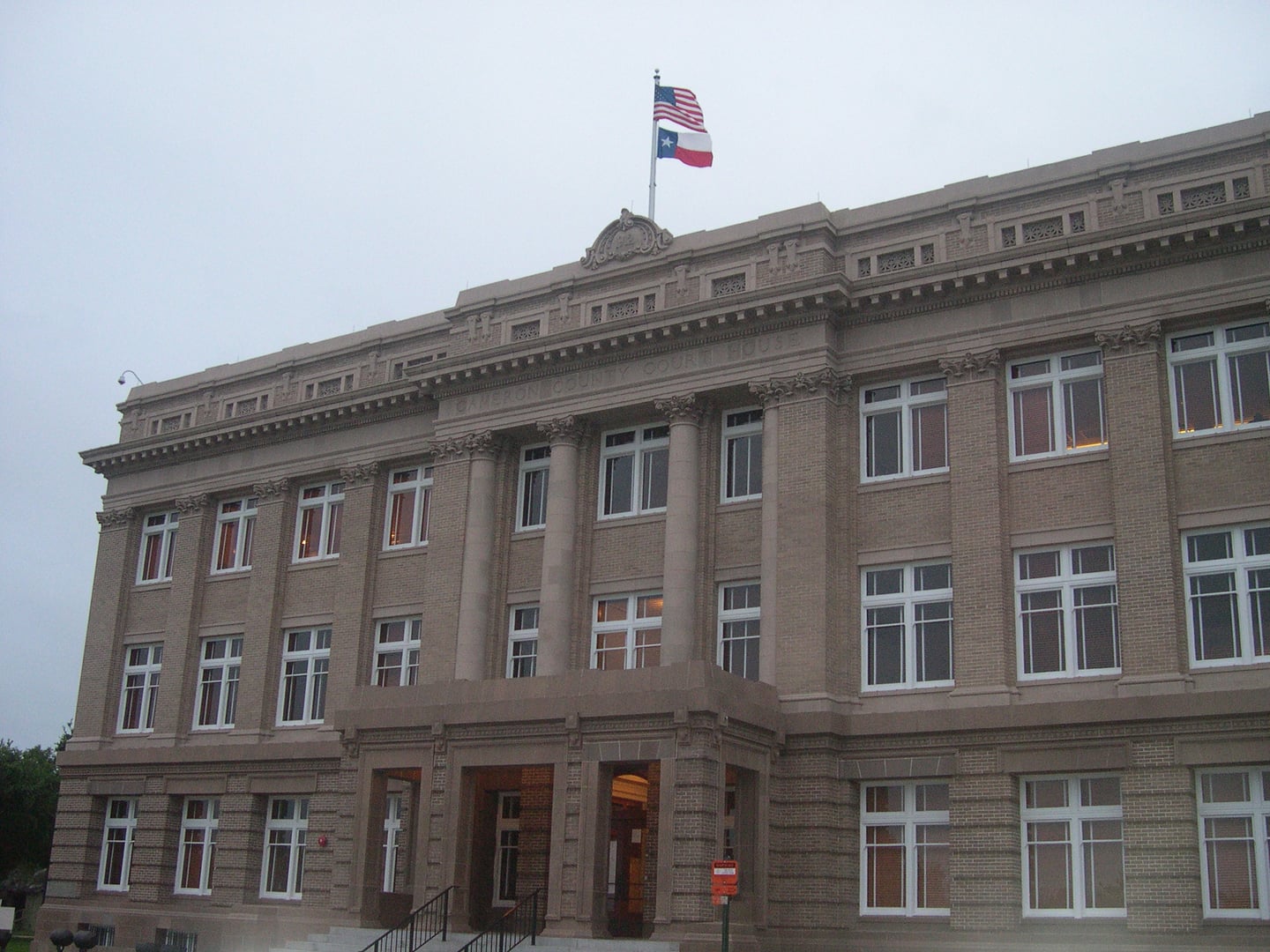
Among the documented incidents covered on the tour: a reported apparition sighted near the 1896 courthouse during a period when the building was undergoing changes in use, and a 1949 incident at a downtown theater involving a former stage manager whose presence has been reported by subsequent theater workers. The specific details of both accounts are presented on the tour itself.
The tour has been covered by local television news station KXII and listed on the Sherman Tourism website as a featured annual event. Tickets are sold through Eventbrite for the October run.
Sources
- https://shermantx.org/event/haunted-history-tour-16/all/
- https://www.kxii.com/2023/10/05/sherman-hosting-haunted-history-tour/
Courthouse apparition (1896)Stage manager spirit at downtown theater (1949)Poltergeist activity at downtown locationsUnexplained disappearances
The Downtown Sherman Haunted History Tour takes an unusual approach for the genre: Sherman Main Street describes the stories as historically sourced, not manufactured for entertainment. Tour guides work from a script built on local newspaper archives, court records, and historical documentation.
Two stories have been cited in coverage of the tour: a 1896 courthouse apparition reported by individuals present during a period of building change, and a 1949 theater incident involving a former stage manager whose presence continued to be reported by workers at the venue in subsequent years. Both stories are presented with their documented context rather than as embellished ghost-tour narratives.
The broader tour route through downtown Sherman covers cases of disappearances, poltergeist activity, and unexplained events from the 1800s through the present. Sherman's history as a county seat and commercial center through the railroad era generated a documented record that the tour organizers have drawn on to build a historically grounded program.
Where this legend is told