Est. 1941 · 1850s Frontier Cattle Ranching · Morris Sheppard Dam 1941 · Possum Kingdom Lake Creation · Palo Pinto County Pioneer Heritage
The land now occupied by Camp Constantine has roots in Palo Pinto County's pioneer cattle ranching heritage. In the mid-to-late 1850s, pioneering cattlemen established ranches in the region. Oliver Loving, Charles Goodnight, and Reuben Vaughn were among the early settlers who built their operations around the Brazos River canyon and surrounding highlands. These ranchers operated during an era of frontier expansion and occasional conflict with indigenous peoples—six distinct Native American groups, numbering approximately 1,000 people, inhabited the Brazos River region in 1850, raising corn and grain to supplement their hunting economy.
The physical landscape of the region was transformed in the twentieth century with the construction of the Morris Sheppard Dam. Construction began in 1936 and was completed in 1941 as a Works Progress Administration project. The dam impounded the Brazos River, creating Possum Kingdom Lake—the first water supply reservoir constructed in the Brazos River basin. The name "Possum Kingdom" originated in the early twentieth century, attributed to Ike Sablosky, a Russian Jewish immigrant businessman who arrived in Mineral Wells in 1905. Sablosky engaged in the fur and hide trade, specializing in possum pelts. He greeted his suppliers—local hunters who tracked possum in the Brazos canyon—as "the boys from the Possum Kin[gdom]." The name persisted and eventually designated the lake and surrounding territory.
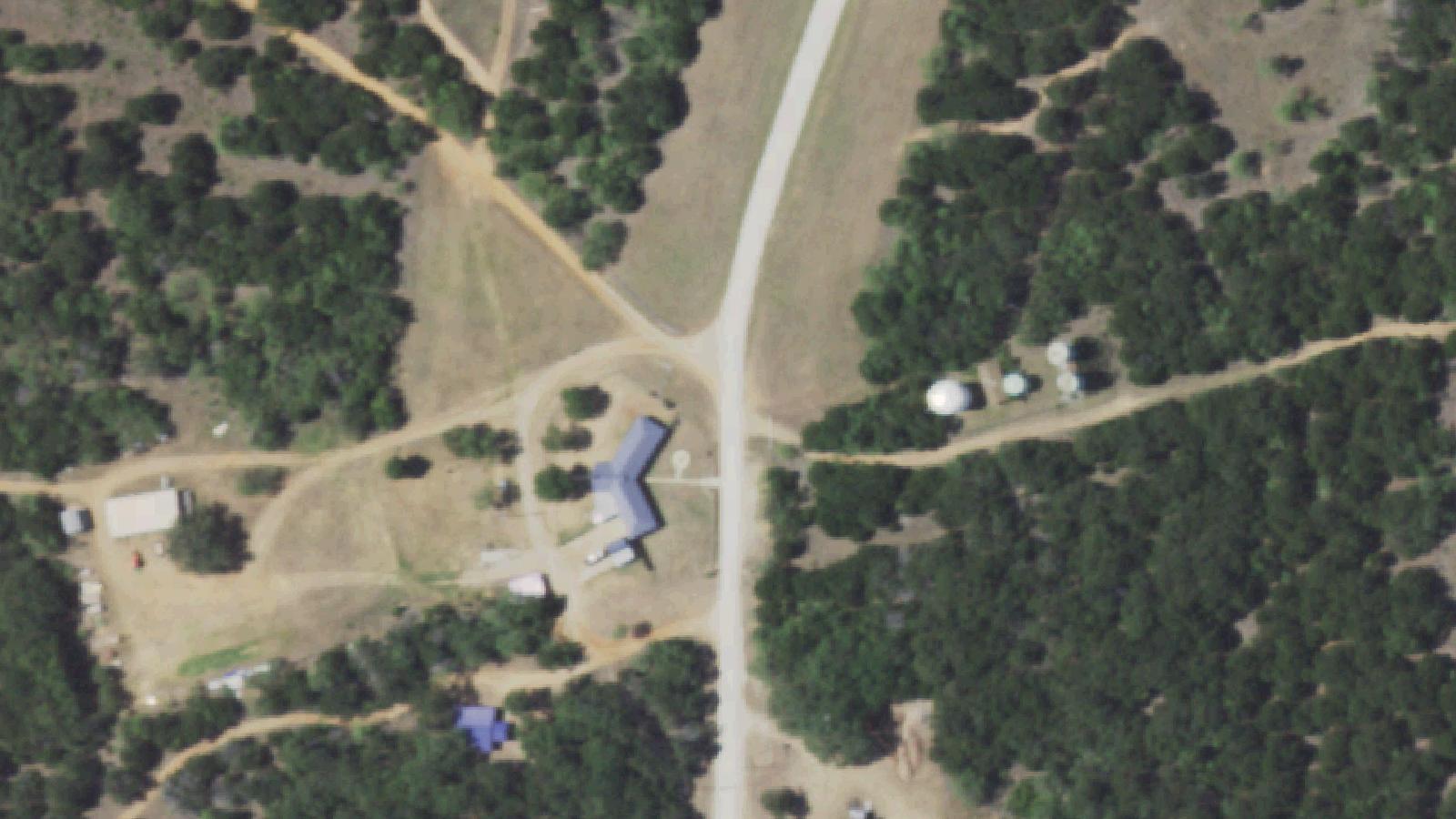
The state acquired parkland from the Brazos River Authority in 1940. Possum Kingdom State Park opened to the public in 1950, with recreational facilities constructed by the Civilian Conservation Corps in the early 1940s. Camp Constantine, a Boy Scouts of America facility, operates on the lake's northern shores, encompassing 385 acres and six miles of shoreline with views of the iconic Castle Cliff formation.
Sources
- https://en.wikipedia.org/wiki/Possum_Kingdom_Lake
- https://tpwd.texas.gov/state-parks/possum-kingdom/history
- https://www.tshaonline.org/handbook/entries/palo-pinto-county
ApparitionsPhantom screamsPhantom yelling
Paranormal accounts from Camp Constantine describe encounters with two distinct cowboy apparitions. Witnesses report seeing two figures—dressed in period attire consistent with nineteenth-century frontier cattlemen—standing and staring at witnesses. The apparitions do not interact aggressively; they observe, their gaze fixed and apparently distant. The figures are described as solid, three-dimensional forms rather than translucent or ethereal manifestations, suggesting either intelligent haunting or residual imprinting of an intense moment.
Accompanying the visual phenomena are auditory disturbances: screams and yelling emanate from the grounds, particularly in areas adjacent to the lake's shoreline. The sounds are described as urgent, conflicted—suggestive of confrontation or distress. Whether the auditory and visual phenomena are manifestations of a single event or separate incidents remains unclear.
Local folklore attributes the haunting to frontier-era conflict. The region's pioneer cattle ranching community (established mid-1850s) occasionally experienced disputes over land, water rights, and grazing territories. Indigenous peoples—six distinct groups inhabiting the Brazos River valley—also occupied the region, occasionally creating tension with settler populations. Whether the apparitions represent victims of frontier violence, perpetrators haunted by acts committed, or witnesses to events they cannot resolve remains speculative.
The consistency of accounts across multiple independent witnesses—primarily Boy Scouts and camp staff unfamiliar with paranormal folklore prior to their experiences—suggests either genuine paranormal activity or environmental/psychological factors that produce similar experiences in diverse visitors.
Notable Entities
The Two Cowboys