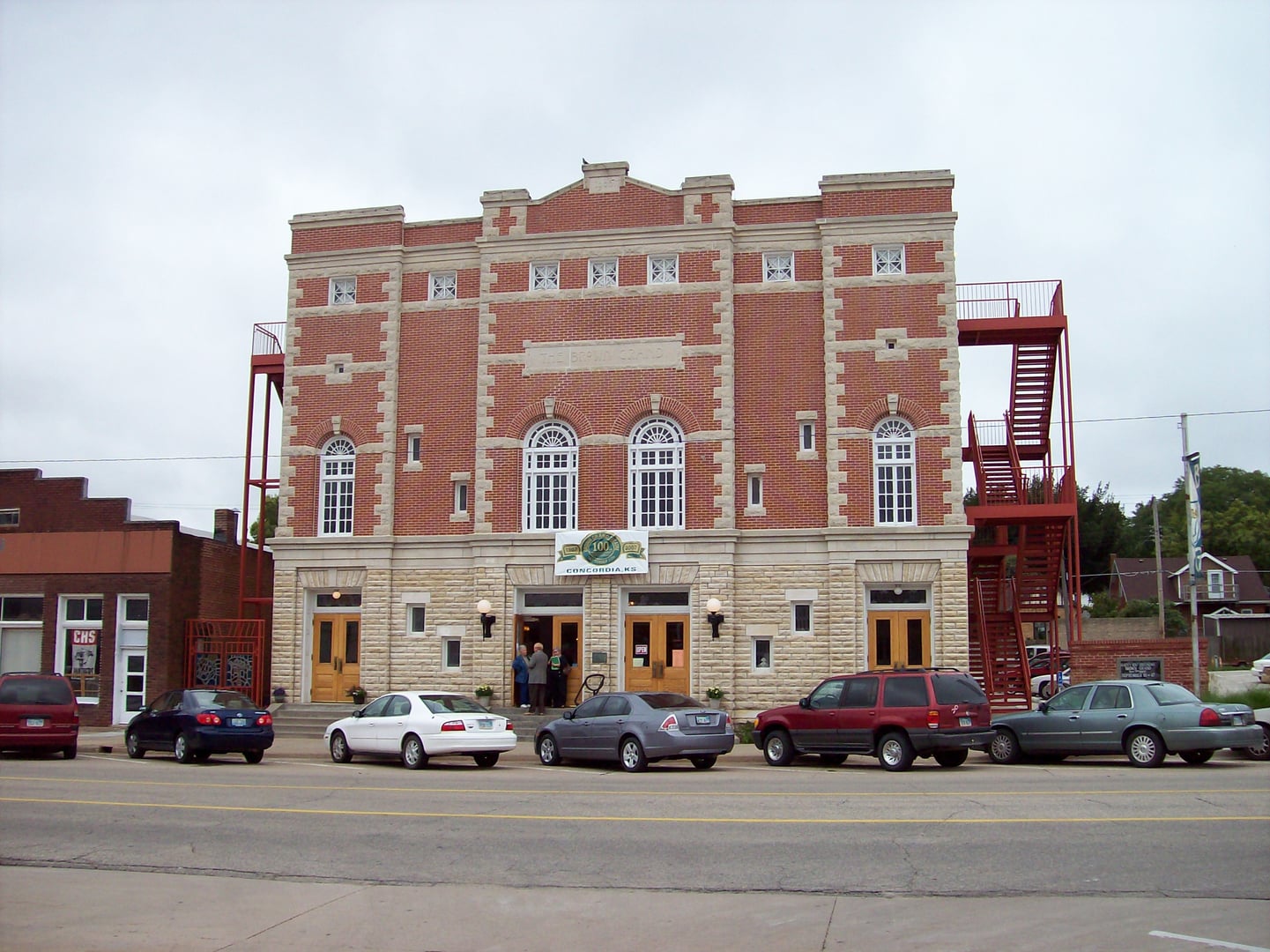
Est. 1914 · Homestake Mining Company Heritage · 1918 Influenza Epidemic · 1984 Fire and Community Restoration · Black Hills Cultural Architecture
The Homestake Mining Company built the opera house in 1914 as a gift to the town of Lead, the company town that grew up around what became one of the largest and deepest gold mines in North America. The building was conceived as a full recreation and cultural center: beyond the roughly 1,000-seat theater, it originally housed a library, a swimming pool, a bowling alley, a billiard hall, and social rooms for mine workers and their families.
In 1918 and 1919, when the influenza epidemic reached the Black Hills, the opera house was pressed into service as an emergency hospital. Local accounts note that deaths occurred in the building during that period, a chapter that recurs in the site's later folklore.
In 1984 a fire seriously damaged the theater, and the building sat largely unused for years afterward. Beginning in the mid-1990s, the Lead community organized fundraising to restore the structure, and the restored opera house has since returned to use as a working performance venue and event space.
The building is operated today by a nonprofit that programs theater, music, and community events, and it stands as one of the most prominent surviving examples of the civic architecture the Homestake company built for its workforce.
Sources
- https://www.homestakeoperahouse.org/
- https://www.travelsouthdakota.com/lead/historic-homestake-opera-house
- https://www.kotatv.com/2024/10/18/haunts-black-hills-comes-lead-night-spooky-fun/
- https://www.bhparanormal.com/historic-homestake-opera-house-investigation/
- https://paranormaltraveler.com/1734/homestake-opera-house-a-haunting-encounter-with-history/
Phantom footstepsCold spotsPhantom smoke smellApparition (woman in white)
The opera house's reputation centers on a handful of recurring reports. Staff and visitors describe footsteps crossing the stage or moving behind the closed curtain when no one is there, and cold spots that come and go without explanation. The smell of smoke is among the more specific claims — drifting through the building with no fire present, which witnesses tie back to the 1984 blaze.
The best-known figure is a woman in white, described as drifting across the balcony and turning toward the stage as though watching a performance that never ends. Some accounts loosely associate the building's heavier feeling with the period when it served as a flu hospital in 1918-1919, when deaths occurred on site, though no specific individual is named in the folklore.
The venue has leaned into this reputation, hosting ghost tours and welcoming professional paranormal investigation teams, including groups that have published accounts of their sessions in the theater. The reports remain anecdotal, but their consistency across visitors, staff, and investigators is what keeps the opera house on regional lists of haunted Black Hills sites.
Notable Entities
Woman in White