Drive-By
Exterior Viewing — Benefit Street
View the exterior of this large 18th-century wood-frame mansion from the public sidewalk on Benefit Street. Often included on College Hill architectural walking tours.
- Duration:
- 15 min
HauntBound archive · catalog record
Reported phenomena, as catalogued
Three-story wood-frame mansion at 357 Benefit Street built 1791-1792 for Colonel Joseph Nightingale; long the seat of the Brown family and now home to Brown's John Nicholas Brown Center for Public Humanities.
357 Benefit Street, Providence, RI 02903
Research updated September 2026
Age
All Ages
Cost
Free
Active Brown University center. Public access varies — primarily during events, programs, or by appointment.
Access
Accessibility not stated
Historic 18th-century wood-frame mansion. Contact the John Nicholas Brown Center about accessibility.
Equipment
Photos OK
Est. 1792 · Largest Surviving 18th-Century American Wood-Frame House · Colonel Joseph Nightingale (1791-1792 Build) · Brown Family Seat 1814-1985 · National Historic Landmark
The Nightingale-Brown House was built between 1791 and 1792 for Colonel Joseph Nightingale, a wealthy Providence shipping merchant. The three-story, wood-frame mansion sits on the high ground at the east side of Benefit Street and is one of the largest surviving wood-frame houses of the 18th century in the United States. Wikipedia and the Library of Congress HABS RI-229 survey document the building's architectural significance.
The Brown family acquired the house in 1814 and occupied it for 171 years — from 1814 to 1985 — making it the longtime seat of one of Providence's most prominent founding families. The house's interior includes original woodwork, period furniture, and family portraits from across that long tenancy.
In 1985 the Brown family donated the house to Brown University, and it now houses the John Nicholas Brown Center for Public Humanities and Cultural Heritage. The Nightingale-Brown House is a National Historic Landmark and is regularly used for scholarly programs, public events, and graduate-level instruction in public humanities.
Sources
According to the New England Folklore archive's roundup of haunted Providence buildings, the Nightingale-Brown House's only widely reported paranormal incident involves a new custodial worker at the building. After he switched off the light in a room that held a large family portrait, he heard a deep, sepulchral voice say 'DON'T TURN THAT LIGHT OUT.' His older, more experienced colleague later confirmed: 'Strange things happen in that room — never turn out that light again.'
No other independent paranormal reports for the building are documented in the sources we examined. The house is otherwise primarily known for its architectural and family-history significance rather than as a ghost site. We frame this as single-source folklore and treat it accordingly. The Nightingale-Brown House is an active Brown University center; appreciate the exterior from the public sidewalk on Benefit Street, and book public programs or scheduled events through the John Nicholas Brown Center for interior visits.
Notable Entities
Media Appearances
View the exterior of this large 18th-century wood-frame mansion from the public sidewalk on Benefit Street. Often included on College Hill architectural walking tours.
Some links on this page may earn HauntBound a small commission when you book, at no extra cost to you. Our editorial picks are independent. Full disclosure
This Providence tour includes Nightingale-Brown House on its route.
Every HauntBound history is researched from documented sources. We clearly separate verified historical fact from paranormal folklore.
Free Guide
10 verified stops, rated for families, mapped in order. Free.
One email to confirm, then the guide link. Unsubscribe anytime.
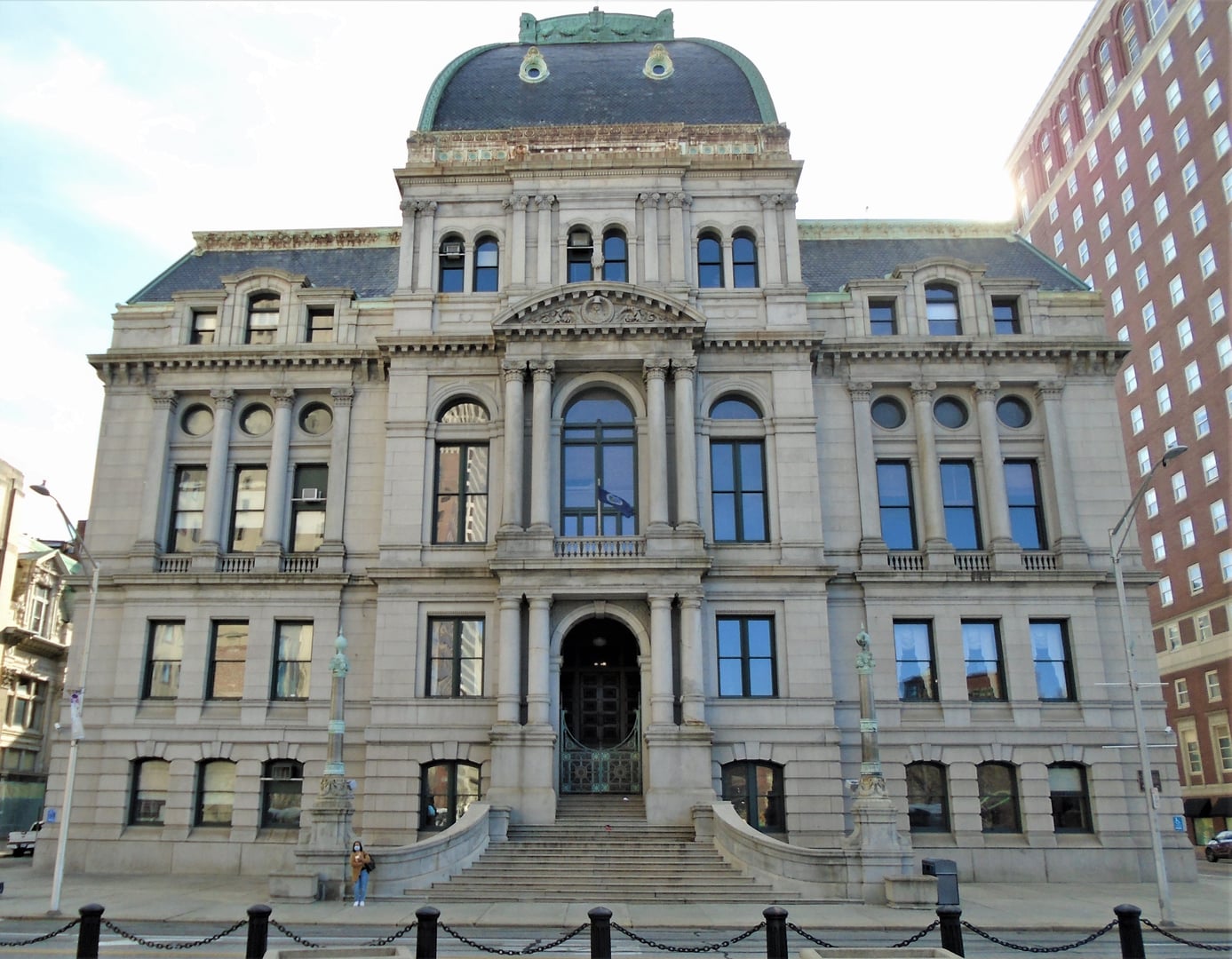
Providence, RI
Providence City Hall is a Second Empire municipal building completed in 1878 from designs by architect Samuel J.F. Thayer. Ground was broken in October 1874 and the cornerstone set in April 1875 under Mayor Thomas A. Doyle, the city's longest-serving 19th-century mayor. The building remains in use as the seat of Providence city government.
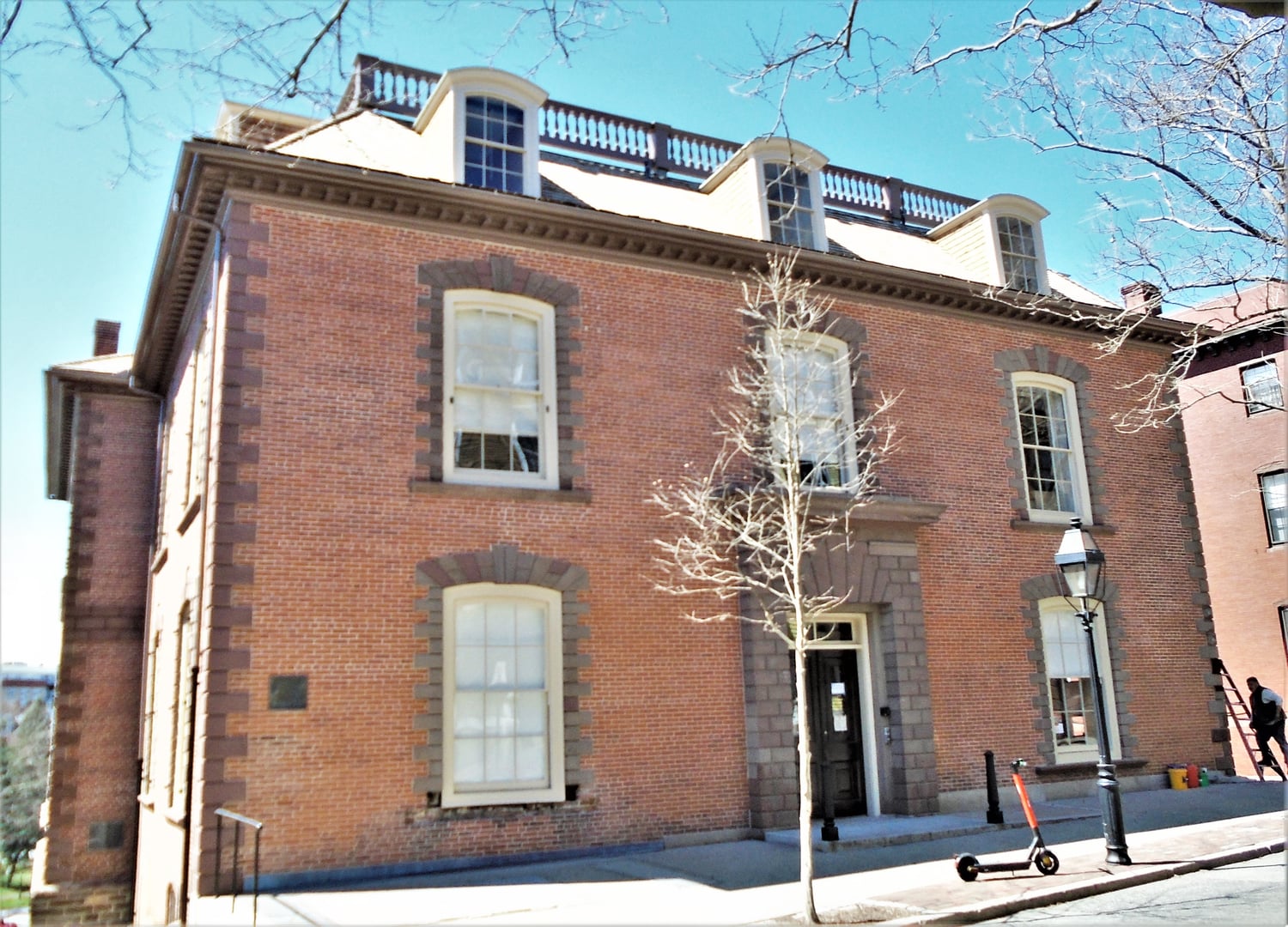
Providence, RI
The Old State House at 150 Benefit Street is a Georgian-era brick colonial statehouse completed in 1762 to replace a 1732 building destroyed by fire. It was one of five Rhode Island colonial statehouses that hosted the rotating colonial legislature. On May 4, 1776, the General Assembly meeting here renounced allegiance to King George III, making Rhode Island the first colony to declare independence — two months before the Declaration of Independence.
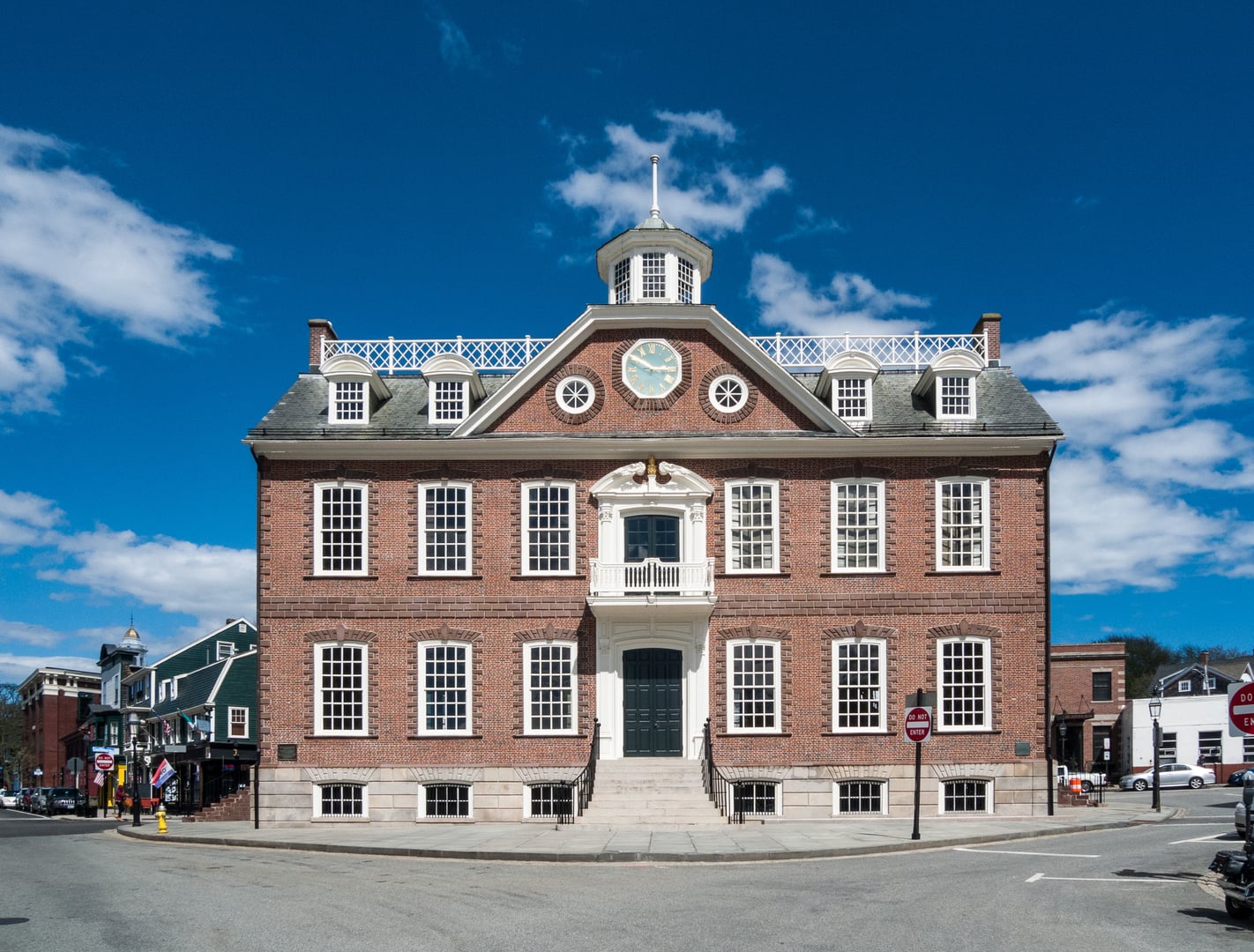
Newport, RI
The Old Colony House on Washington Square in Newport is a Georgian statehouse designed by Richard Munday and completed in 1741. The fourth-oldest surviving statehouse in the United States, it served as a barracks during British occupation and later as a hospital for French soldiers during the Revolutionary War. It is a National Historic Landmark.