Est. 1838 · New England Vampire Panic · Tuberculosis History · Folk Medicine · Dracula Influence
Mercy Lena Brown died of pulmonary tuberculosis on January 17 (some sources say January 18), 1892, at age nineteen, in the village of Exeter in rural Washington County, Rhode Island. She was the third member of her immediate family to die of the disease. Her mother Mary had died in December 1883 at age 36; her elder sister Mary Olive followed in June 1884 at 20. Mercy's brother Edwin contracted the same wasting illness and was sent west in hopes that the climate of Colorado would help him recover. His condition worsened, and he returned home dying.
Neighbors persuaded George Brown, the family patriarch, that one of the deceased women might be a "vampire" feeding on the living. New England communities in this period used the term loosely to describe a folk belief, rooted in older European tradition, that a corpse showing signs of preservation could be drawing life from surviving family members. On March 17, 1892, the bodies of Mary and Mary Olive were exhumed. Both had decomposed normally. Mercy's body, dead only two months and stored above ground in a winter vault, was found relatively intact, with liquid blood still in the heart. Villagers removed her heart and liver, burned them on a nearby stone, and mixed the ashes into a tonic for Edwin to drink. Edwin died two months later.
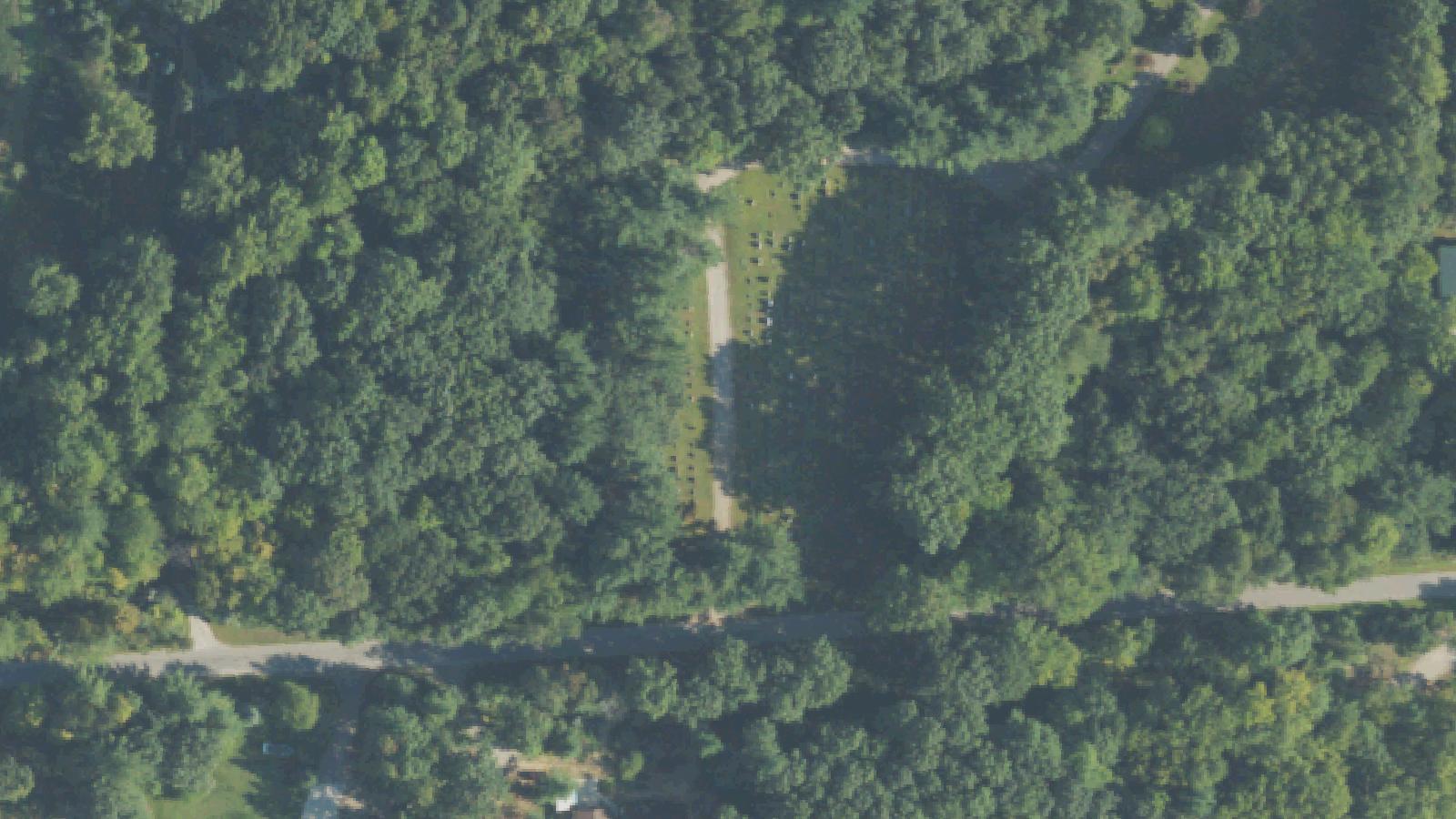
News accounts of the Brown exhumation traveled internationally and have been cited by scholars including folklorist Michael Bell as a likely influence on Bram Stoker, who began drafting Dracula within years of the case. Mercy's grave in Chestnut Hill Baptist Cemetery is small and unadorned. The Brown family plot lies near a cedar tree at the rear of the cemetery; her stone is often surrounded by pennies, ribbons, and handwritten notes left by visitors. A Tupperware container on or near the stone holds a visitor logbook.
Sources
- https://www.atlasobscura.com/places/grave-mercy-brown
- https://newengland.com/yankee/history/vampire-mercy-brown-rhode-island/
- https://quahog.org/Attractions/Brown_Mercy_Grave_of
- https://www.roadsideamerica.com/tip/14336
- https://cemeterytravel.com/2018/10/10/cemetery-of-the-week-171-chestnut-hill-cemetery/
Cold spotsApparitions
The lore of Mercy Brown is overwhelmingly historical rather than paranormal. The 1892 exhumation is documented in contemporaneous newspaper accounts, in the Providence Journal, and in subsequent scholarly work by folklorist Michael Bell, whose Food for the Dead remains the canonical study of the New England vampire panic.
Visitors to the small Chestnut Hill cemetery have left thousands of pennies, ribbons, plastic flowers, and notes on Mercy's stone over the decades since her case re-entered the popular imagination in the late twentieth century. Reports of paranormal activity are quieter than at most famous American haunted sites and rarely escalate beyond a sense of presence near the cedar tree, occasional cold spots reported by photographers on still summer evenings, and the impression that the small graveyard carries the weight of its history.
The Chestnut Hill Baptist Church requests that visitors treat the site respectfully and not attempt rituals or vandalism. The grave has been damaged repeatedly over the decades and the small congregation maintains it on their own resources.
Notable Entities
Mercy Lena Brown
Media Appearances
- Food for the Dead (book by Michael Bell)
- documentaries on the New England vampire panic