Museum Visit Booking Required
Tuscarora Academy Museum Tour
Tour the restored 1816 academy preserved as a museum by the Juniata County Historical Society.
- Duration:
- 1 hr
HauntBound archive · catalog record
Reported phenomena, as catalogued
+ 1 further entry on record
An 1816 stone academy turned museum in the village of Academia, Juniata County, beside an old churchyard — the anchor of a notorious folk legend about a murderous gardener and the singing ghosts of schoolgirls.
Academy Lane, Academia, PA 17082
Research updated June 2026
Age
All Ages
Cost
$
The Tuscarora Academy Museum is operated by the Juniata County Historical Society; seasonal/by-appointment open hours, donations welcome.
Access
Limited Access
Historic stone building on a rural lane beside a churchyard.
Equipment
Photos OK
Est. 1816 · One of central Pennsylvania's earliest secondary schools (1816) · Namesake of the village of Academia; companion to the 1857 Tuscarora Female Seminary · Restored and operated as the Tuscarora Academy Museum by the Juniata County Historical Society since 1970
Tuscarora Academy stands in the small village of Academia, in Juniata County, central Pennsylvania, beside an old church and churchyard. Built in 1816, the stone academy was one of the earliest secondary schools in the region and educated students from across the area in the nineteenth century. A separate female seminary — the Tuscarora Female Seminary, chartered in 1857 — also operated nearby, and the cluster of school buildings is the source of the village's name, 'Academia.'
Over the decades the schools closed and some buildings were lost, including one destroyed by fire in the 1800s. The surviving 1816 academy was preserved and restored by the Juniata County Historical Society and reopened as the Tuscarora Academy Museum in August 1970. It remains a working local-history museum, featured by VisitPA, Atlas Obscura, and regional historical resources.
The combination of an early-1800s school, a burned-out companion building, and an adjacent old churchyard gave rise to a body of folklore that has made 'the Academia girls' school' a fixture of Pennsylvania haunted-places lists for decades.
Sources
The 'Academia girls' school' is one of Juniata County's most retold legends. The central story claims that a gardener at the old girls' school assaulted and killed a number of students and concealed their bodies, later setting the building ablaze to destroy the evidence — a folk explanation grafted onto the real 1800s fire that destroyed one of the school buildings. The murdered girls are said to linger on the property, heard singing the nursery rhyme 'London Bridge' or weeping among the ruins, while the gardener's ghost — a figure dressed all in black — is reported sitting on the steps of the church beside the cemetery.
A cluster of additional motifs has accreted over the years: a spectral black hound said to roam the grounds, an unseen force that drains car batteries or keeps engines from starting, and a curse holding that anyone who climbs the old stairs and writes their name on the wall will die within five years. These are classic legend-trip elements, and no documentary evidence supports the murders or the curse.
HauntBound presents the gardener-murder story and its trimmings as folklore attached to a genuine historic site. The legitimate, family-friendly experience here is the Tuscarora Academy Museum; the surrounding fields and private buildings tied to the legend should not be trespassed.
Notable Entities
Tour the restored 1816 academy preserved as a museum by the Juniata County Historical Society.
Some links on this page may earn HauntBound a small commission when you book, at no extra cost to you. Our editorial picks are independent. Full disclosure
Every HauntBound history is researched from documented sources. We clearly separate verified historical fact from paranormal folklore.
Free Guide
11 verified stops, rated for families, mapped in order. Free.
One email to confirm, then the guide link. Unsubscribe anytime.
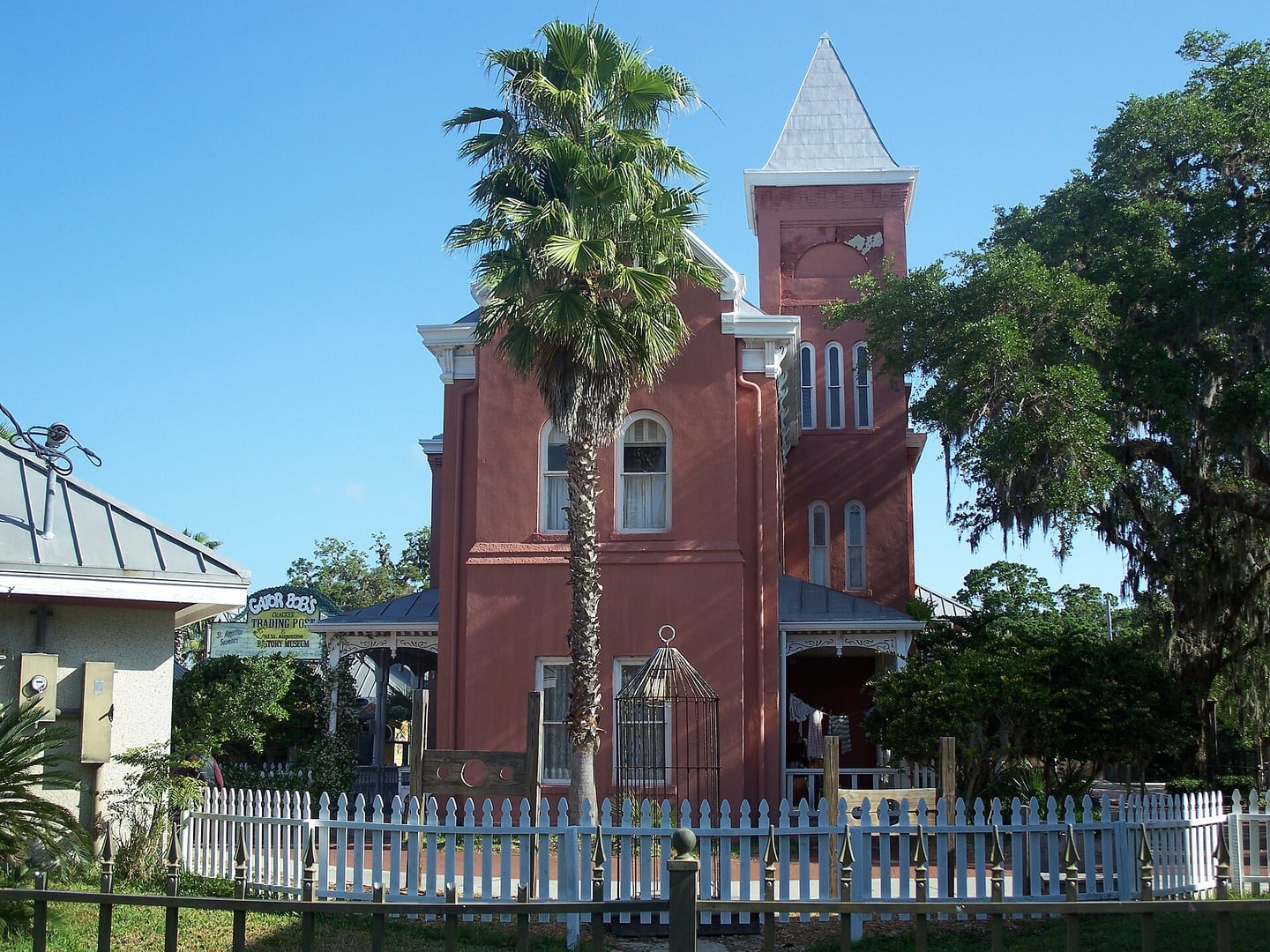
St. Augustine, FL
The Old St. Johns County Jail at 167 San Marco Avenue in St. Augustine, Florida was commissioned by railroad magnate Henry Flagler and constructed in 1891. Designed by the same architectural firm later used for Alcatraz, the facility housed prisoners under conditions so severe — one bucket per cell as a toilet, minimal diet, and labor in Flagler's fields — that it was closed in 1953. Eight documented executions occurred on site before the county converted the building to a tourist attraction in 1954.
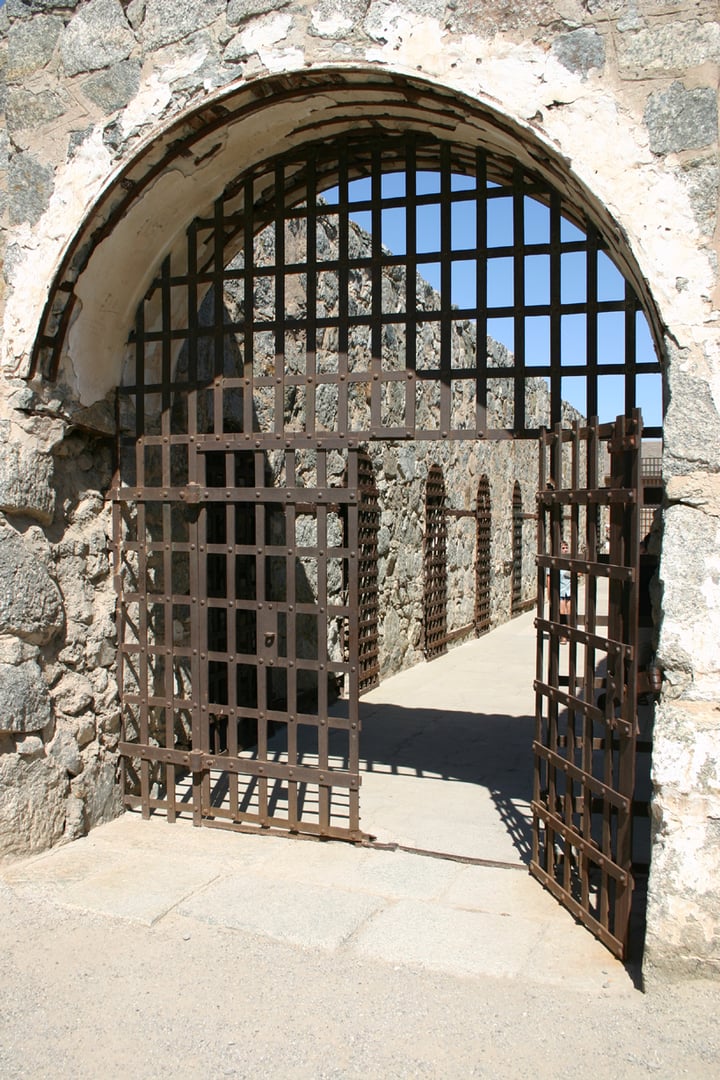
Yuma, AZ
Yuma Territorial Prison operated from 1876 to 1909 on a bluff overlooking the Colorado River in Yuma, Arizona. It held 3,069 prisoners during its 33-year operation, including 29 women. The facility became a state historic park and has been voted by USA Today readers as the Best Haunted Destination in the nation.
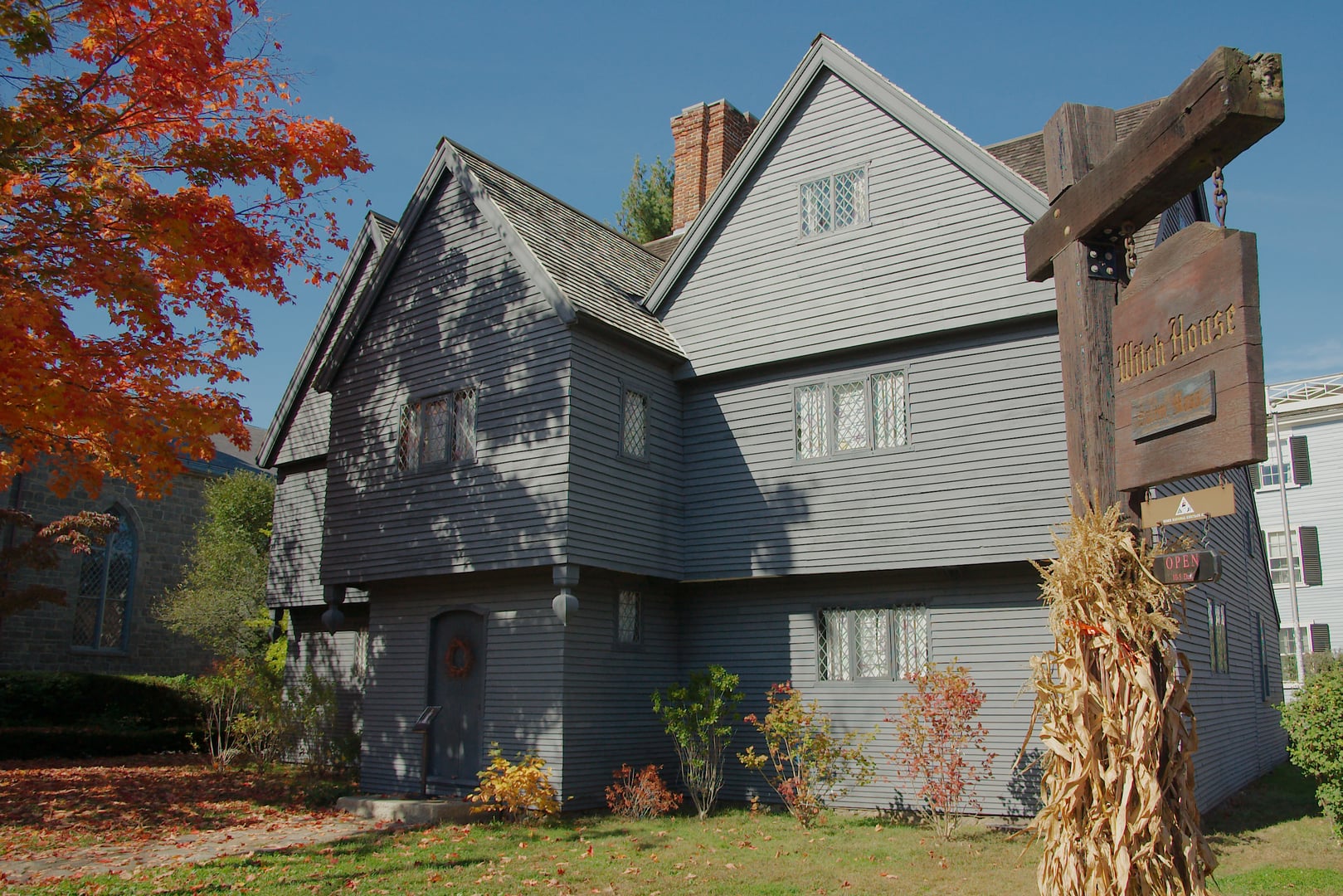
Salem, MA
The Jonathan Corwin House at 310 Essex Street is the only surviving structure in Salem with direct ties to the 1692 Salem witch trials. Built circa 1675 and purchased by Corwin that same year, the house served as the site of pretrial examinations for several of the accused. The property has operated as a museum since 1948 under City of Salem ownership.