Est. 1765 · Georgian Architecture · Samuel Powel / Patriot Mayor · Washington and Lafayette Visits · National Historic Landmark · Philadelphia Society for the Preservation of Landmarks Founding Site
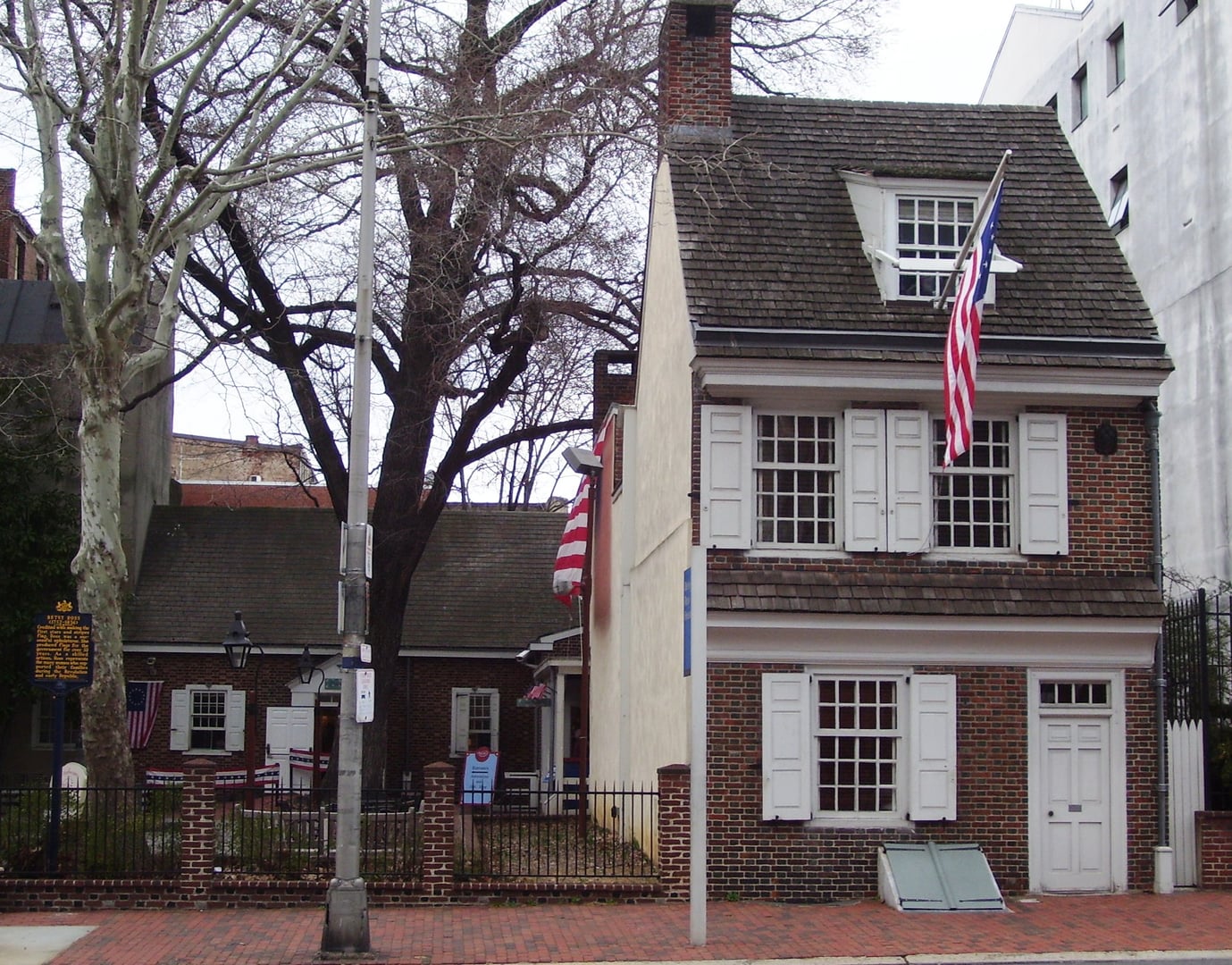
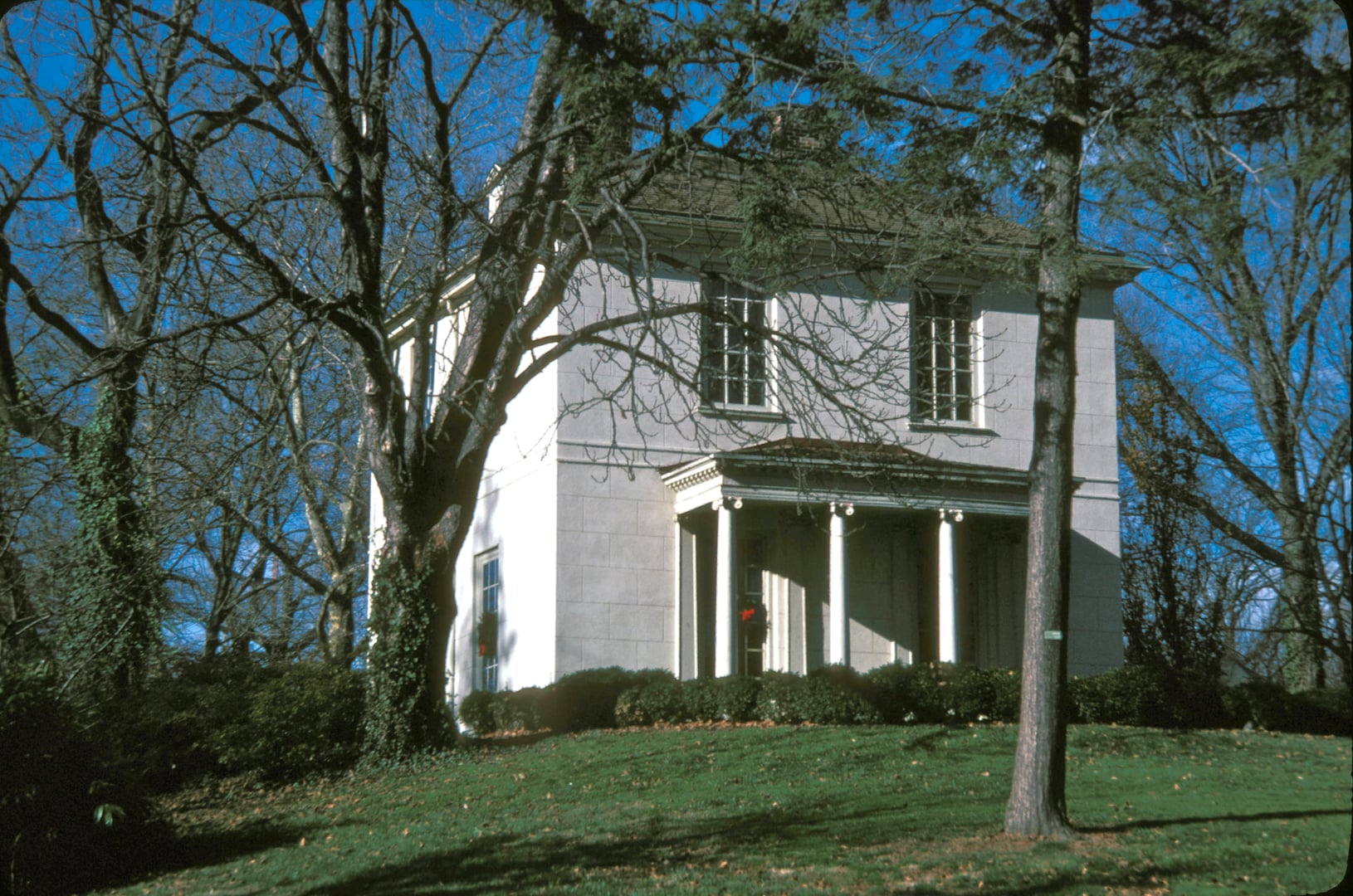
The Powel House was built in 1765 by Charles Stedman, a Philadelphia merchant. Samuel Powel purchased the house in August 1769 for £3,150. Powel, then thirty-one years old and recently returned from a Grand Tour of Europe, would go on to serve as the last mayor of Philadelphia under the British colonial government and as the first elected mayor of the city after American independence. His political career earned him the nickname Patriot Mayor.
The house's exterior is reserved Georgian brick. The interior, embellished after the Powel purchase, is significantly more ambitious. The ballroom features bas-relief plasterwork attributed to James Clow, mahogany wainscoting, and ornamented chimneypieces that signal the wealth of the household at the moment Philadelphia was the largest city in British North America.
The Powels hosted documented dinners and entertainments for George and Martha Washington during the years the federal capital was in Philadelphia. Other recorded guests included Benjamin Franklin, John Adams, Benjamin Rush, and the Marquis de Lafayette. The friendship between Elizabeth Powel and Martha Washington is unusually well-documented in surviving correspondence and is interpreted as a centerpiece of the museum's contemporary programming.
Following Samuel Powel's death in 1793 in the Philadelphia yellow-fever epidemic, the house passed through subsequent owners and faded from prominence. By the early twentieth century it was threatened with demolition. Antiquarian Frances Wister founded the Philadelphia Society for the Preservation of Landmarks in 1931 specifically to save the building, and the society purchased the property and undertook a seven-year restoration. The Powel House opened as a museum on November 23, 1938, and remains one of the principal historic-house museums in Philadelphia. It is a National Historic Landmark.
Sources
- https://en.wikipedia.org/wiki/Powel_House
- https://www.philalandmarks.org/powel-house
- https://savingplaces.org/places/powel-house
- https://www.ushistory.org/districts/societyhill/powel.htm
ApparitionsPhantom voicesPhantom footstepsPhantom smells
Among Philadelphia's surviving colonial-era homes, the Powel House has a quietly persistent paranormal reputation. Most reports cluster on the second floor and in the ballroom. Visitors and museum staff have described a figure in colonial-era dress glimpsed briefly on the second-floor landing or in the dressing room adjacent to the ballroom. Some accounts identify the figure as Elizabeth Powel, drawing on her well-documented presence in the house and the volume of surviving correspondence she left.
A second set of reports involves sound: voices in the ballroom and front parlor heard during off-hours, footsteps on the upper stairs after the public tour has ended, and the faint scent of pipe tobacco occasionally noted in the front rooms. Tobacco use during the Powel household's tenure is well-documented in surviving inventories.
The house appears regularly on Society Hill ghost-tour itineraries and in regional dark-tourism coverage, but the Philadelphia Society for the Preservation of Landmarks does not actively program paranormal investigations. The interpretive emphasis remains the Revolutionary-era social and political history of the household.
Notable Entities
Elizabeth Powel