Est. 1800 · Early-American Coaching Inn · Berks County Heritage
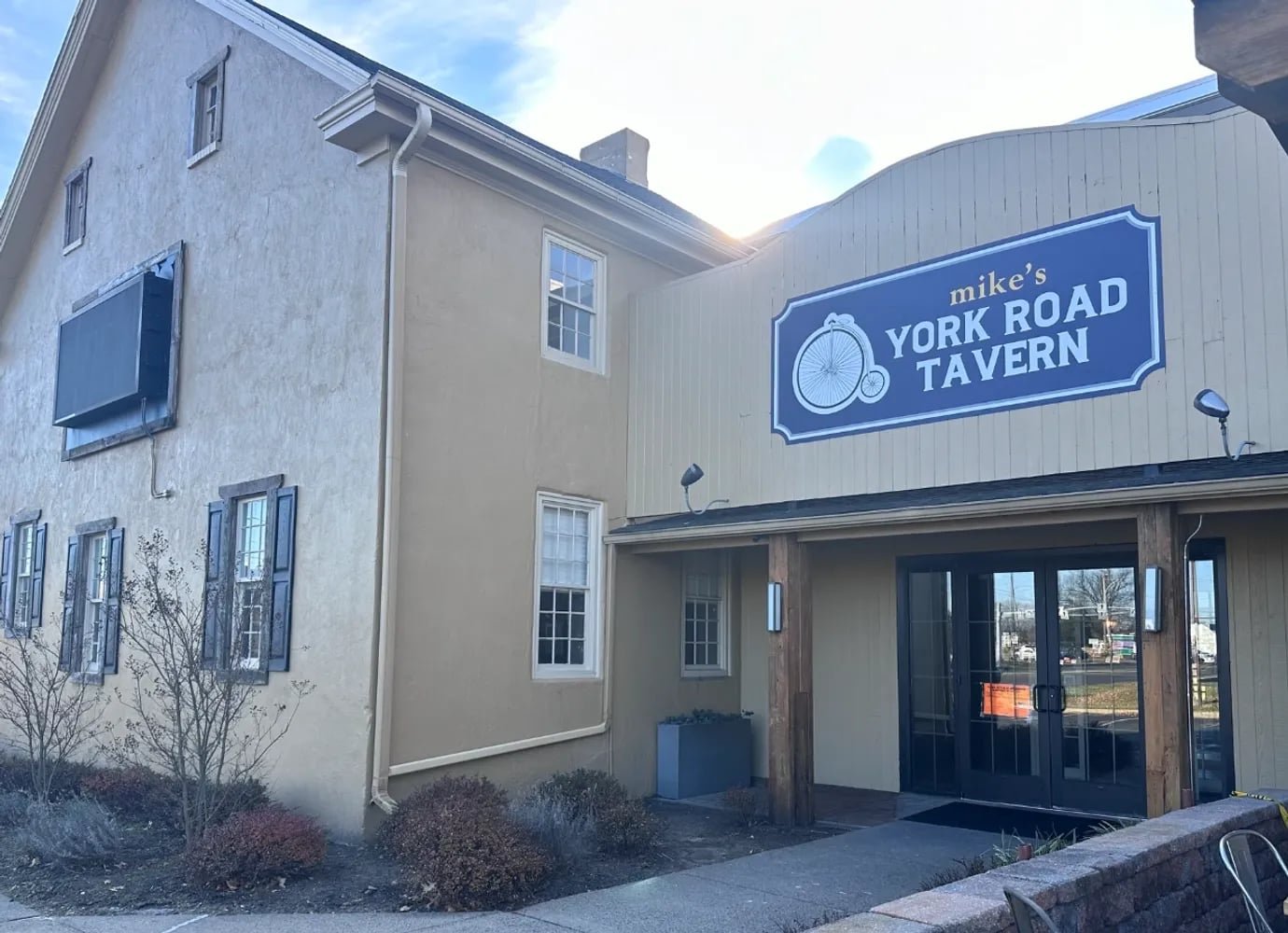
Morgantown is a Berks County crossroads village laid out in the late eighteenth century along the road network that connected Reading and Lancaster. The Old Village Inn occupies a stone-and-frame structure on Main Street that has functioned as a tavern and stop for travelers from its earliest years. Published histories of the property are inconsistent on its construction date, with references variously placing it at 1770, 1790, or 'the early 1800s.' What is consistent is its continuous use as a hospitality business through more than two centuries of ownership changes.
The restaurant has been held by the same family for more than seventy years. A vintage menu from the 1960s, sold periodically through online auction listings, documents the restaurant's mid-century operation under its current name. The business operates daily from 11:00 AM until 2:00 AM, serving a tavern-style menu in a non-smoking dining room and a full bar that hosts weekend entertainment. The dining room features a wood-burning fireplace.
According to the Shadowlands narrative and aggregator listings, the second floor of the inn, formerly used as guest rooms, is no longer in service. The current operation is restaurant-and-tavern only, with no overnight accommodations.
Sources
- https://oldvillageinnrestaurant.gotoeat.net/
- https://www.facebook.com/OldVillageInn/
- https://www.tripadvisor.com/Restaurant_Review-g53236-d861795-Reviews-Old_Village_Inn_Restaurant-Morgantown_Pennsylvania.html
Apparitions
The legend of the Old Village Inn is small in scale and oddly specific. Multiple aggregator listings and the original Shadowlands entry describe the same observation: a person, or a figure, appearing in the second-floor window facing Main Street, observed from the sidewalk below. The second floor has been closed for years and is not used by the restaurant. No employee or guest is supposed to be there.
The upper-floor figure is the only widely repeated phenomenon associated with the building. The dining room and bar are not part of the folklore. There is no published investigation of the property, no media appearance, and no resident ghost identified by name. The restaurant does not promote itself as a haunted destination, and current management does not appear to discuss the report publicly.
For visitors, the experience is dinner in an early-American tavern with a wood-burning fireplace and a small folkloric footnote that surfaces if you look up at the upstairs windows on the way out.