Est. 1893 · Grand Army of the Republic / Civil War Veterans · Downtown Johnstown Historic District · National Register of Historic Places (1980)
The Grand Army of the Republic Hall was built in 1893 by the Johnstown post of the GAR, the national fraternal organization founded after the Civil War for Union veterans. By the 1890s the GAR was a major civic and political force, and posts across the country built dedicated halls as meeting places and memorials to their service.
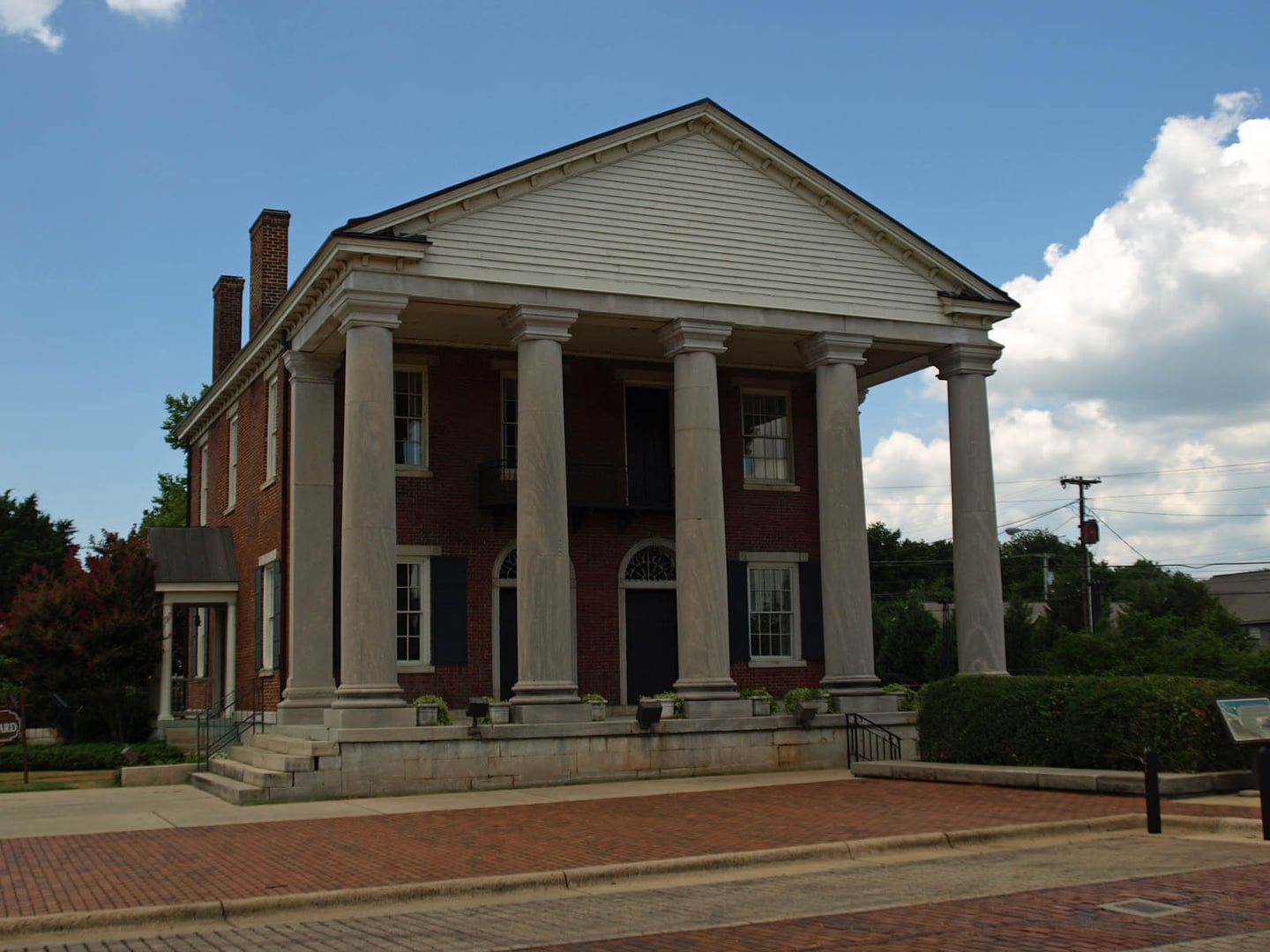
The Johnstown hall is a three-story brick building, three bays by seven bays, with a flat roof. Its front facade carries two carved stone insets bearing a cannon and crossed-sword motif, an explicit nod to the military service of the men who built it. It stands among the surviving 19th- and early-20th-century commercial buildings of downtown Johnstown.
The building has had a long second life. After the GAR's membership aged and the organization faded in the early 20th century, the hall was converted to business and office use. It sustained damage in the 1977 flood caused by the failure of the Laurel Run Dam, one of several major floods in the city's history, but survived.
The Grand Army of the Republic Hall was listed on the National Register of Historic Places on April 17, 1980, recognized as a contributing structure to the Downtown Johnstown Historic District and as a representative example of the veterans' halls of the GAR era.
Sources
- https://en.wikipedia.org/wiki/Grand_Army_of_the_Republic_Hall_(Johnstown,_Pennsylvania)
Unexplained shadowsDoors opening and closing on their own
The GAR Hall's ghost reputation rests on a thin and local record. Accounts compiled in Johnstown-area haunted-location writing describe unexplained shadow movement inside the building and doors that are said to open and close without anyone present, the kind of report common to old buildings now used as quiet office space.
These descriptions are anecdotal and trace to a single regional source rather than to multiple independent reports or any published paranormal investigation. The building's history as a Civil War veterans' hall, and the broader association of Johnstown with mass death in the 1889 and later floods, supplies the emotional backdrop that such stories tend to draw on.
Because the interior is private office space and not open to the public, there is no organized ghost program at the hall, and visitors can only view the exterior. The haunting claims are recorded here as locally reported but unverified.
Anyone interested in the building's documented past will find the verified Civil War and architectural history far better attested than the paranormal lore that has accumulated around it.
Where this legend is told