Overnight Stay Booking Required
Historic Overnight Stay
Stay in one of eight 18th-century-themed guest suites with continental breakfast included in a building that has hosted travelers since 1745.
- Duration:
- 24 hr
HauntBound archive · catalog record
Reported phenomena, as catalogued
A historic 1745 tavern in Malvern, Pennsylvania, that served as a British command post during the Revolutionary War and now operates as an upscale inn and restaurant with a modest paranormal reputation.
9 Old Lancaster Road, Malvern, PA 19355
Research updated September 2026
Age
All Ages
Cost
$$$
Fine dining restaurant (dinner service Tuesday–Sunday 4–9 pm); eight overnight suites available; rates vary
Access
Wheelchair OK
Historic building with main-floor dining; some areas may have steps
Equipment
Photos OK
Est. 1745 · Established 1745 as one of the oldest continuously operating taverns in Pennsylvania · British command post during the Paoli Campaign, September 1777 · Adjacent to America's first macadamized toll road · Renamed to honor Dr. Joseph Warren, hero of Bunker Hill, 1825
The General Warren Inne traces its origins to 1745 when innkeeper George Aston opened the establishment as the 'Sign of Admiral Vernon,' named in honor of British naval hero Edward Vernon. In 1746 the inn was renamed the 'Sign of Admiral Warren' to celebrate Sir Peter Warren's successful attack on French Louisbourg, Nova Scotia.
During the American Revolution, the tavern occupied a pivotal strategic position along the Philadelphia and Lancaster Turnpike, America's first long macadamized toll road, then under construction nearby. In September 1777, New Jersey Continental soldiers from Washington's Army camped at the inn the night before the 'Battle of the Clouds' on September 16. Within days, the inn became a British command post: Generals Howe and Cornwallis and Lord Grey planned their assault on General Anthony Wayne's troops at the Paoli Massacre of September 20, 1777 from these rooms, before proceeding to capture the revolutionary capital of Philadelphia.
In 1786, loyalist John Penn sold the property to Casper Fahnestock. Business boomed through the early 19th century with the construction of the Philadelphia-Lancaster Turnpike, and direct U.S. Mail stage service to Pittsburgh launched from the inn in 1804. In 1825, the tavern was renamed once more to honor Dr. Joseph Warren, the patriot physician who died at the Battle of Bunker Hill in 1775.
By the 1830s, competition from newly constructed railroads diverted traffic and business declined. The property later served as a nursing home before falling into disrepair. In 1984 it was fully restored by current ownership to 18th-century elegance, with eight guest suites, multiple dining rooms, and event spaces for weddings and private functions. The inn is an active fine dining and lodging destination as of 2025.
Sources
The General Warren Inne has accumulated a well-documented paranormal reputation in Chester County. The inn's proprietor Patrick J. Byrne has recounted unexplained incidents to multiple sources, including author Bruce E. Mowday, whose 2025 book 'Gettysburg Mysteries and More: Unexplained Personal Paranormal Phenomena' (Regent Press) chronicles first-person accounts of paranormal phenomena at the General Warren. The Chester County Press covered Mowday's presentation about the inn's unexplained incidents in September 2025.
The inn hosted paranormal dinner events in 2014 and 2015 (documented in PA Eats) that included presentations on 'documented paranormal activity' at the inn, guest use of professional ghost-hunting equipment, and readings by paranormal investigator and author Laurie Hull (author of 'Supernatural Pennsylvania'). The events attracted regional attention and treated the inn's haunted reputation as an established part of its identity.
A notable factual error in the Shadowlands source claims the General Warren Inne appeared on 'Unsolved Mysteries.' Research confirms this is a confusion with the General Wayne Inn in Merion, Pennsylvania—a different venue featured in the show's October 26, 1988 Halloween episode alongside the Queen Mary. The two inns' similar names and Revolutionary War associations have caused repeated conflation in ghost-tourism sources.
One anecdotal account involves a visiting customer who observed an image in the building's exterior stucco resembling 'a screaming George Washington.' Staff reportedly failed to photograph it twice before succeeding on a third attempt. The lore generally describes Revolutionary War-era spirits and two and a half centuries of unexplained activity, without specifics attributable to named historical casualties.
Stay in one of eight 18th-century-themed guest suites with continental breakfast included in a building that has hosted travelers since 1745.
Dine in period-decorated rooms with working fireplaces; the inn has hosted occasional paranormal dinner events for ghost-curious guests.
Some links on this page may earn HauntBound a small commission when you book, at no extra cost to you. Our editorial picks are independent. Full disclosure
See current room rates and availability at General Warren Inne.
Check rates and bookRates come from booking partners, so a small property may not be listed. Book direct with General Warren Inne
Every HauntBound history is researched from documented sources. We clearly separate verified historical fact from paranormal folklore.
Free Guide
11 verified stops, rated for families, mapped in order. Free.
One email to confirm, then the guide link. Unsubscribe anytime.
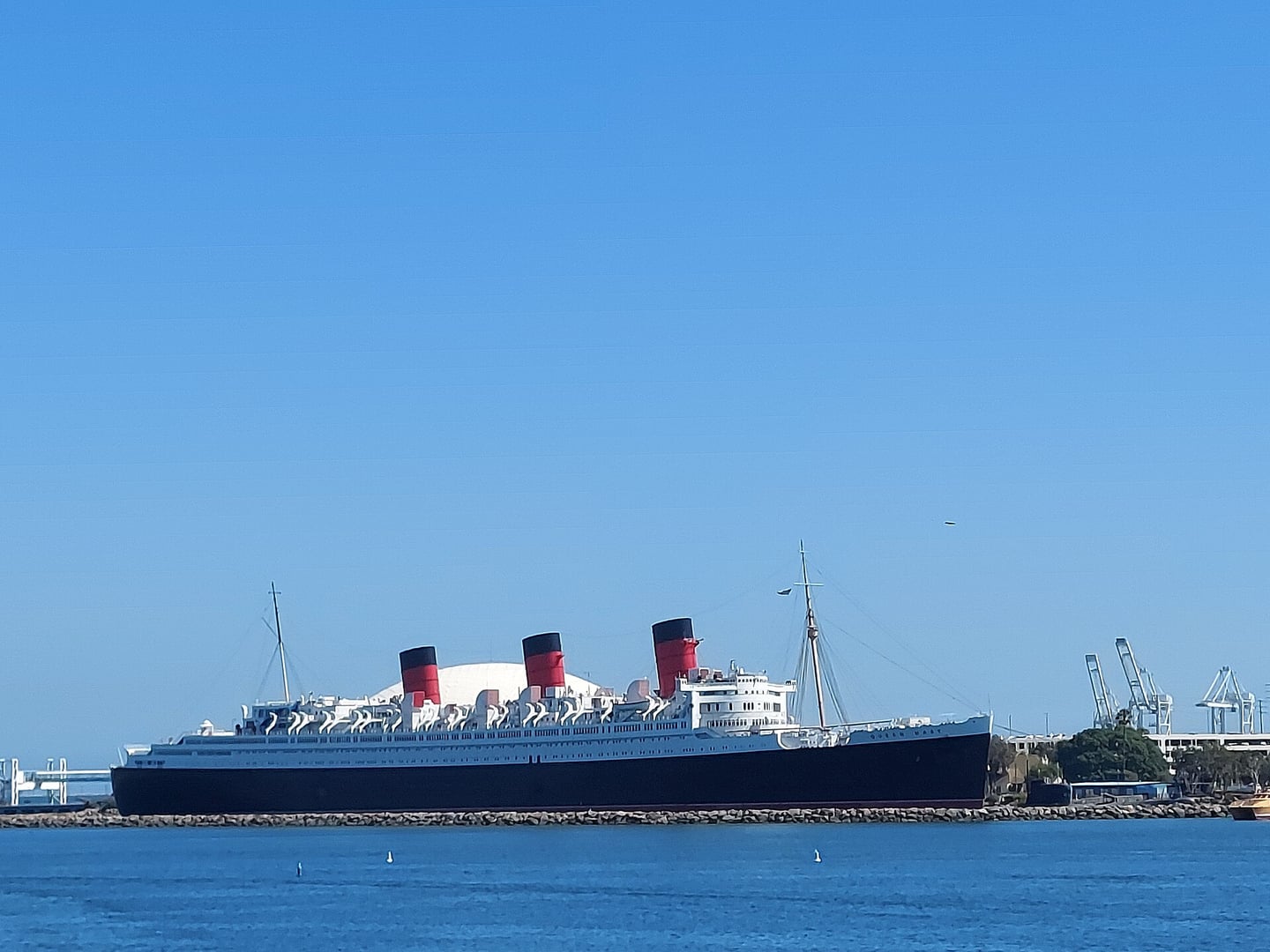
Long Beach, CA
The RMS Queen Mary was constructed at John Brown & Company's Clydebank shipyard beginning in 1930, launched September 26, 1934, and sailed her maiden voyage on May 27, 1936. Requisitioned as a troopship in 1939, she carried 810,000 soldiers under the nickname 'The Grey Ghost.' The ship has been permanently moored in Long Beach, California since December 1967.
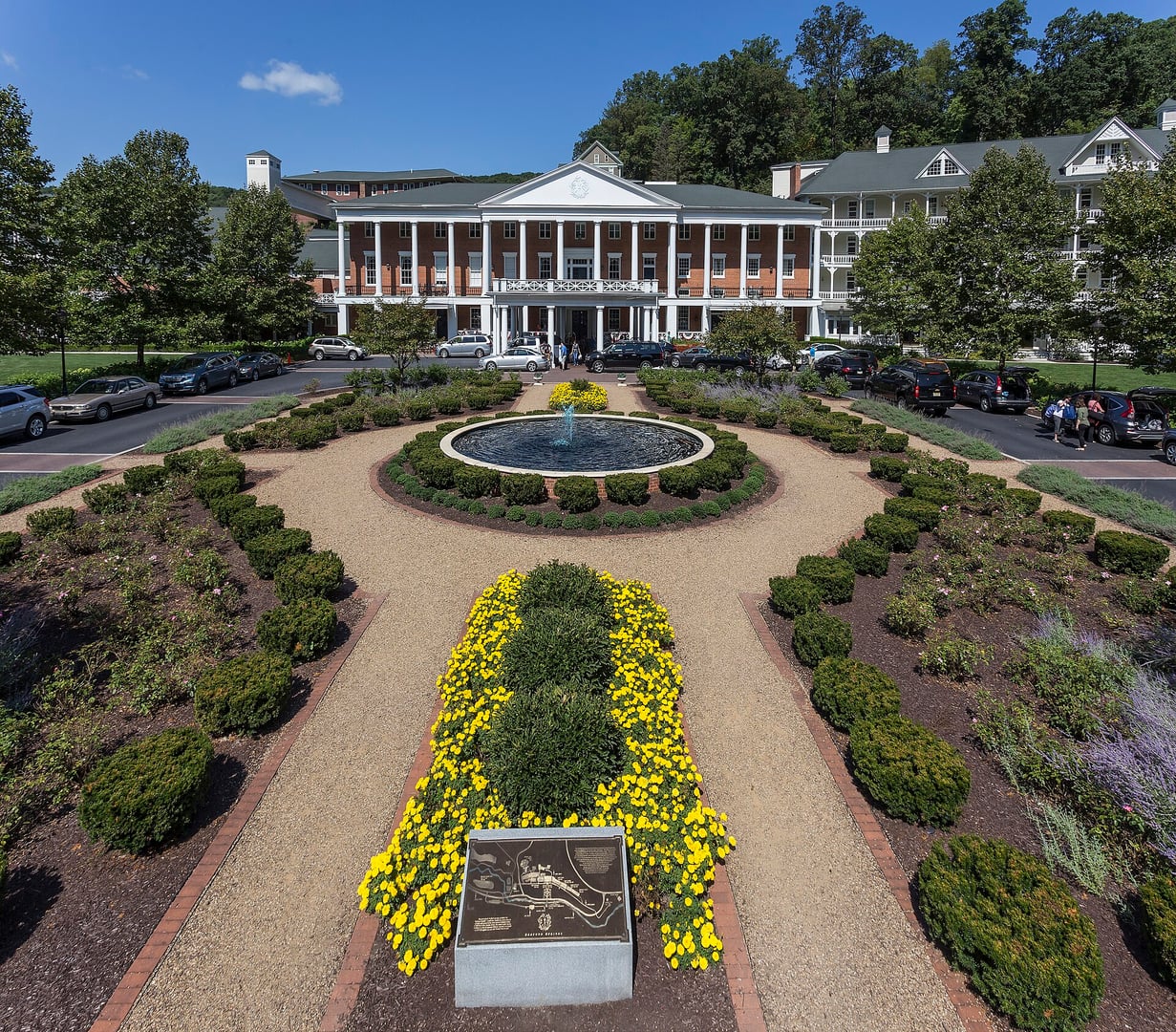
Bedford, PA
The Bedford Springs Hotel grew from a small 1806 inn around eight mineral springs in the Allegheny foothills into one of the most important resort hotels of nineteenth-century America. Eleven U.S. presidents are documented as having visited; James Buchanan made it his summer White House. After closing in 1986, the property was restored and reopened as the Omni Bedford Springs Resort in 2007.
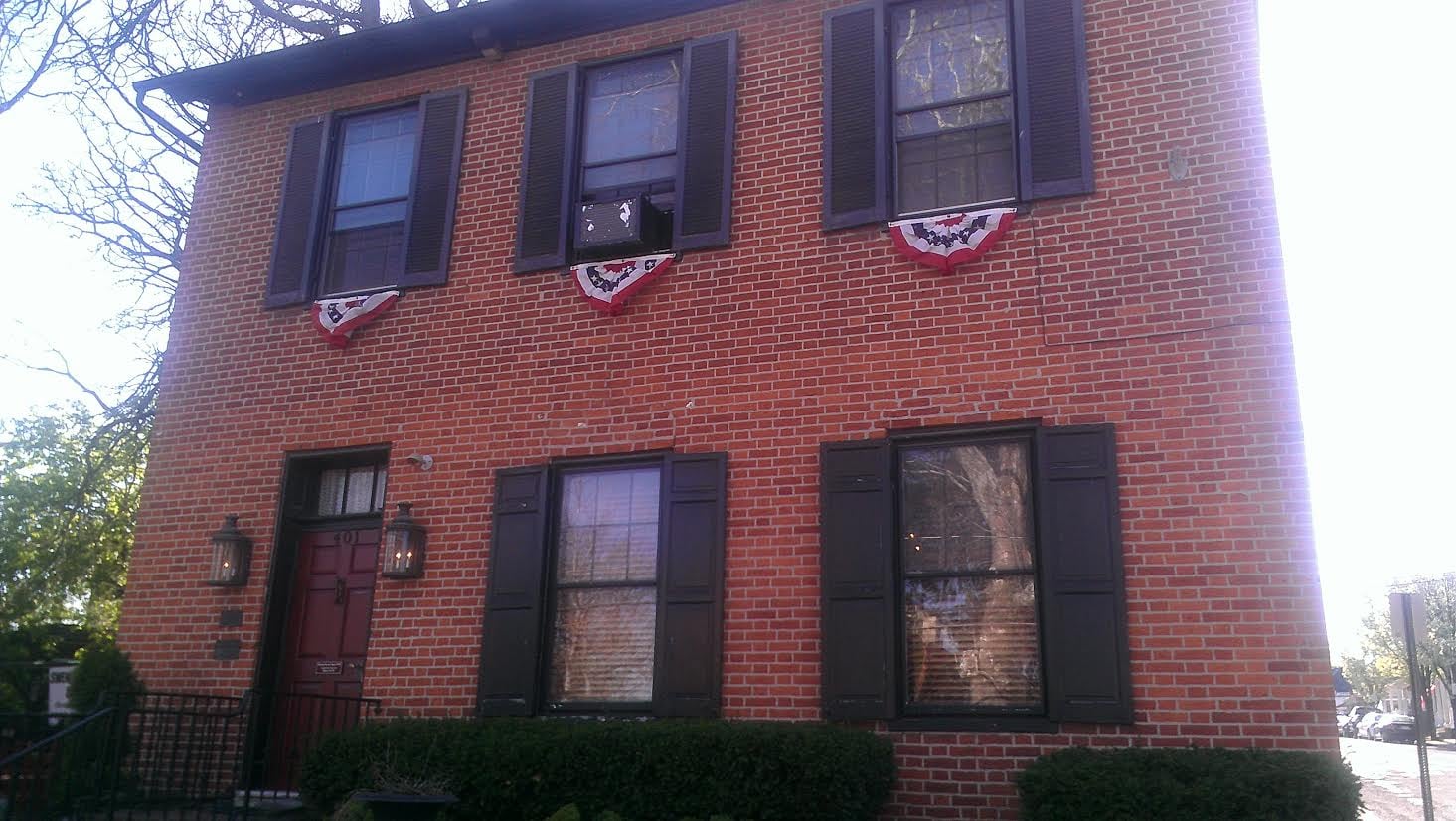
Gettysburg, PA
Built around 1810 by tanner John F. McFarlane and expanded with an 1833 brick addition, the Farnsworth House sits on Baltimore Street in Gettysburg. During the 1863 battle, Confederate sharpshooters occupied the structure, and the south-facing wall still carries more than 100 bullet holes from Union counter-fire.