Self-Guided Visit
Self-Guided Museum Visit
Walk the three floors of exhibits on Deschutes County prehistory, Native peoples, homesteading, logging, and railroad history, inside the restored 1914 Reid School.
- Duration:
- 1.5 hr
HauntBound archive · catalog record
Reported phenomena, as catalogued
Bend's county museum in the 1914 Reid School, where staff credit a contractor who died on the roof with moving and returning their things.
129 NW Idaho Ave, Bend, OR 97703
Research updated September 2026
Age
All Ages
Cost
$
Modest general admission; the Deschutes County Historical Society sets current rates on its website.
Access
Wheelchair OK
Renovated three-story brick schoolhouse on flat downtown blocks; elevator on site.
Equipment
Photos OK
Est. 1914 · Built 1914 as the Reid School, an early permanent Bend schoolhouse · Listed on the National Register of Historic Places (NRHP #79002053) · Home of the Deschutes Historical Museum since 1980
The building at 129 NW Idaho Avenue was constructed in 1914 as the Reid School, one of the early permanent schoolhouses serving the fast-growing mill town of Bend. The three-story brick structure was named for John W. Reid, an early Bend school superintendent, and it educated local children through much of the twentieth century.
During construction in 1914, a contractor named George Brosterhous fell to his death from the school's roof. According to accounts collected by the Deschutes County Historical Society and reported in local outlets including The Source Weekly and Central Oregon Daily, Brosterhous and his brother Ed were the contractors overseeing the job, and George was on the roof on June 3, 1914 when he fell. The detail is part of the building's documented history and is the seed of the museum's resident ghost story.
After its years as a school ended, the building was preserved and adapted for new use. The Deschutes County Historical Society opened the Deschutes Historical Museum in the Reid School in 1980, filling its old classrooms with exhibits on regional prehistory, Native peoples of Central Oregon, homesteading, logging, and the railroads that built Bend.
The Reid School is listed on the National Register of Historic Places (NRHP #79002053). The Historical Society continues to operate the museum and runs community programming, including a seasonal downtown walking tour that revisits the city's ghost lore.
Sources
The museum's ghost story is unusual for being affectionate. Staff and volunteers connect the building's quirks to George Brosterhous, the contractor who fell from the roof during the school's 1914 construction, and they talk about him as a helpful presence rather than a frightening one.
As reported by The Source Weekly and Central Oregon Daily, employees describe asking George out loud for help finding a misplaced book or object, then later finding it sitting on a table where it had not been before. The building's elevator is said to open and close on its own, and items are described as disappearing and reappearing around the collection.
The single most-cited sighting involves a museum guest who reported seeing a man seated across from a staff member who was playing the piano, when the employee and the visitor were supposedly the only two people in the room. Kelly Cannon-Miller, the Historical Society's executive director, has spoken publicly about the George stories in interviews tied to the museum's Halloween-season programming, while framing them as the kind of local legend the museum collects rather than verified fact.
The museum leans into the lore each fall with its downtown Historical Haunts walking tour, which folds the Brosterhous story into a broader account of Bend's reportedly haunted buildings.
Notable Entities
Media Appearances
Walk the three floors of exhibits on Deschutes County prehistory, Native peoples, homesteading, logging, and railroad history, inside the restored 1914 Reid School.
The Historical Society runs a guided downtown walk around Halloween that covers Bend ghost lore, including the museum's own George Brosterhous story. Dates and tickets are posted seasonally on the museum site.
Some links on this page may earn HauntBound a small commission when you book, at no extra cost to you. Our editorial picks are independent. Full disclosure
Every HauntBound history is researched from documented sources. We clearly separate verified historical fact from paranormal folklore.
Free Guide
11 verified stops, rated for families, mapped in order. Free.
One email to confirm, then the guide link. Unsubscribe anytime.
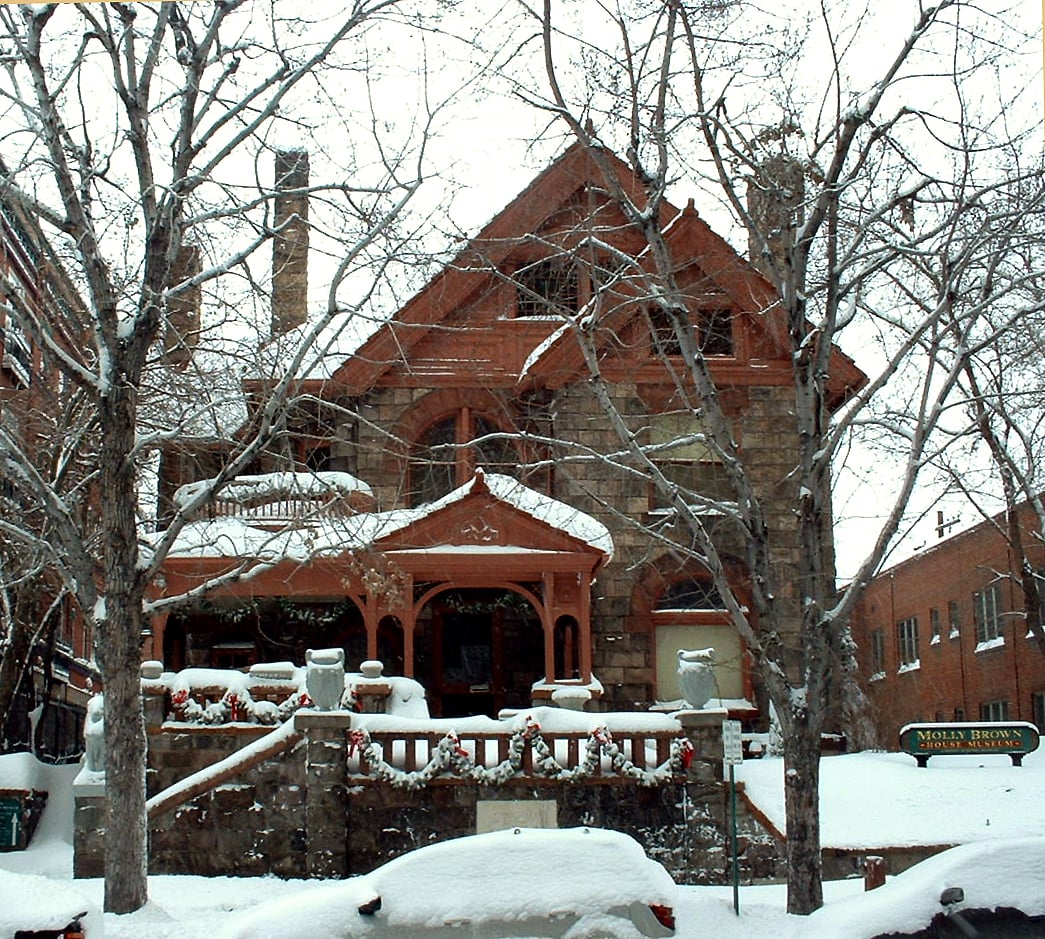
Denver, CO
The Molly Brown House in Denver was the home of philanthropist and Titanic survivor Margaret Brown from 1894 until her death in 1932. Designed by architect William A. Lang in 1889 in a mixed Queen Anne and Richardsonian Romanesque style, the house has operated as a museum under Historic Denver Inc. since 1971 after a public campaign saved it from demolition.
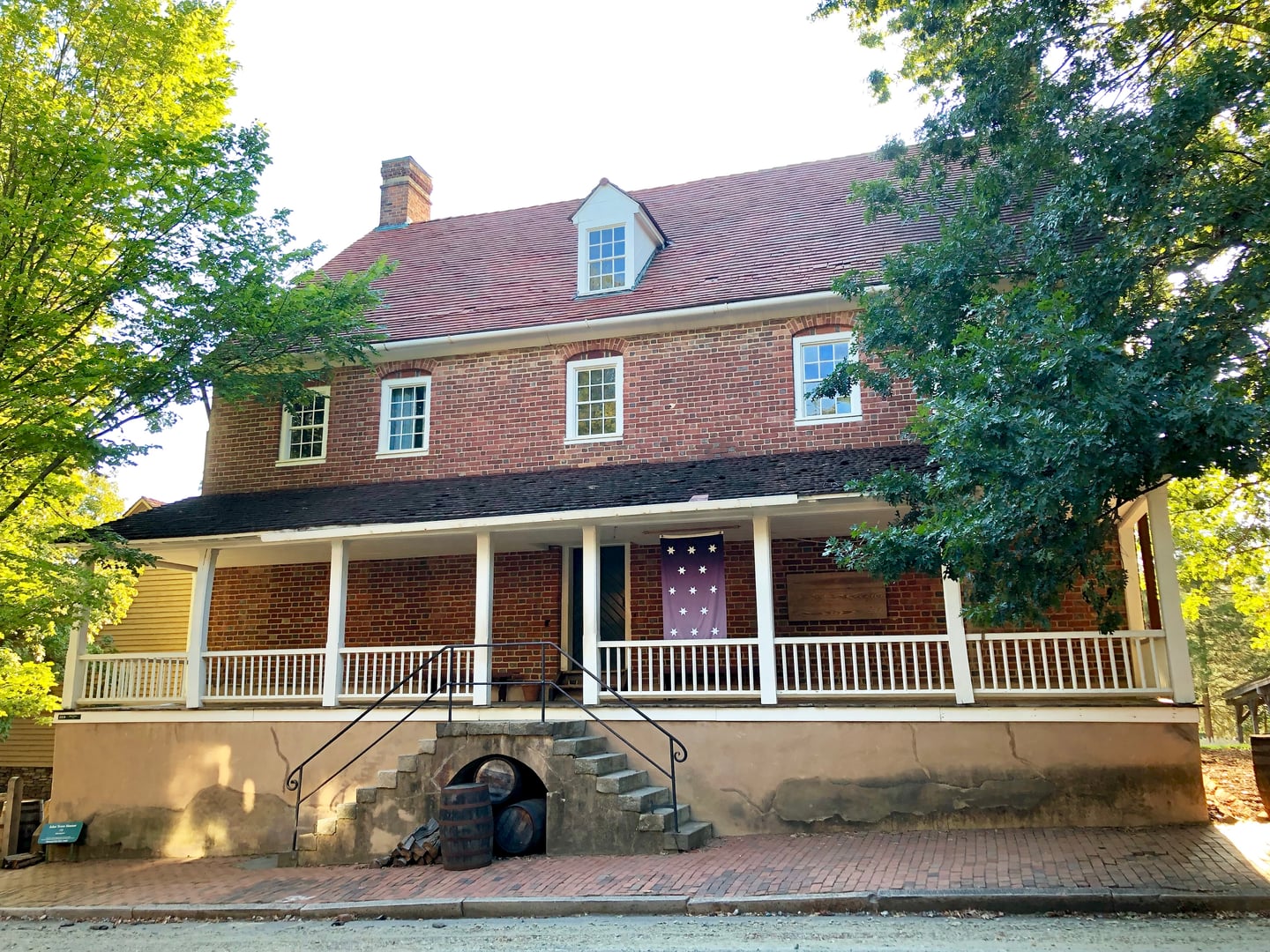
Winston-Salem, NC
The Salem Tavern was built in 1784 to serve travelers stopping in the Moravian settlement at Salem, North Carolina. The Moravian congregation built and operated the tavern — a common enterprise in Moravian settlements — as a source of revenue and a place of hospitality for outsiders. President George Washington lodged here in May 1791 during his Southern Tour, an event documented in his own diary.
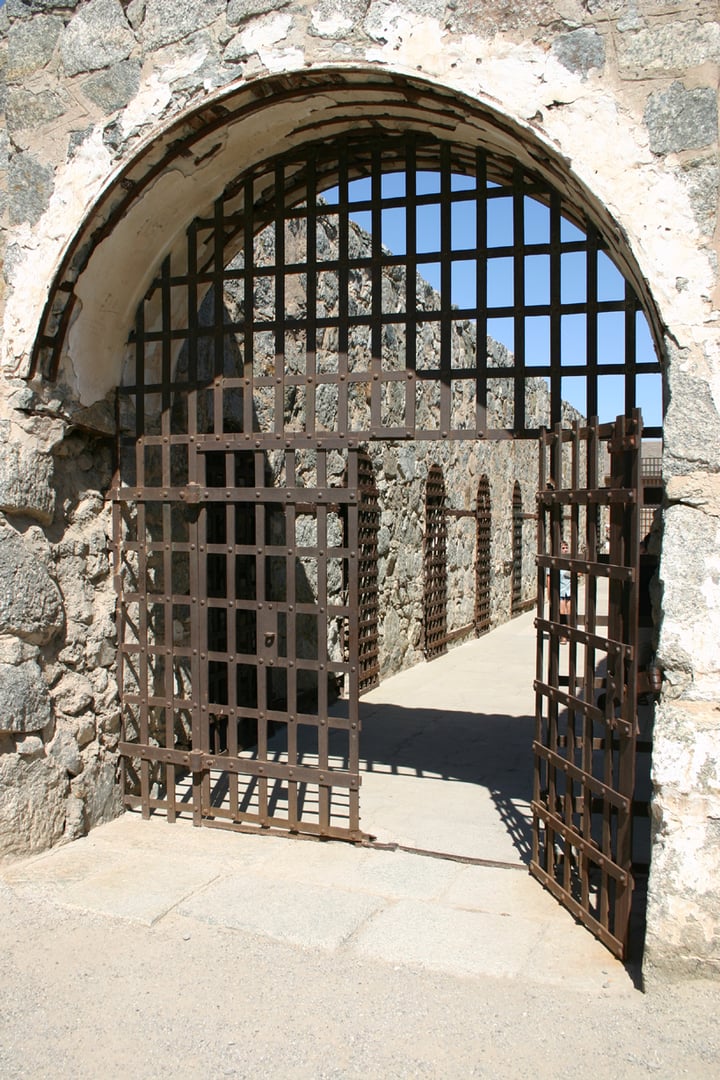
Yuma, AZ
Yuma Territorial Prison operated from 1876 to 1909 on a bluff overlooking the Colorado River in Yuma, Arizona. It held 3,069 prisoners during its 33-year operation, including 29 women. The facility became a state historic park and has been voted by USA Today readers as the Best Haunted Destination in the nation.