Est. 1849 · 1849 Cholera Epidemic · Mass Grave · Sandusky's First Cemetery · Ohio Historical Society Marker (1965)
Cholera Cemetery on Harrison Street, between West Adams and West Jefferson Streets, was the City of Sandusky's first organized burial ground. In the summer of 1849, a cholera outbreak swept the lakeshore city, killing roughly 400 of the town's 4,000-6,000 residents. Erie County Historical Society records indicate 357 burials at the Harrison Street cemetery in 68 days between July and September of that year, with approximately 60 of those victims interred in a single mass grave because the speed and scale of the deaths overwhelmed the city's capacity to handle individual burials.
The Cholera Cemetery was closed within a year of the epidemic. Sandusky's burials shifted to the newly opened Oakland Cemetery in Perkins Township, and the Harrison Street ground fell into long disuse.
In 1924, the City of Sandusky restored the cemetery, installing a large central bronze monument commemorating the victims and the physicians who treated the sick. In 1965, the Ohio Historical Society (now Ohio History Connection) and the Erie County Historical Society jointly erected a roadside historical marker titled 'Cholera Cemetery / In Honor of the Doctors' at the corner of Harrison and Jefferson Streets.
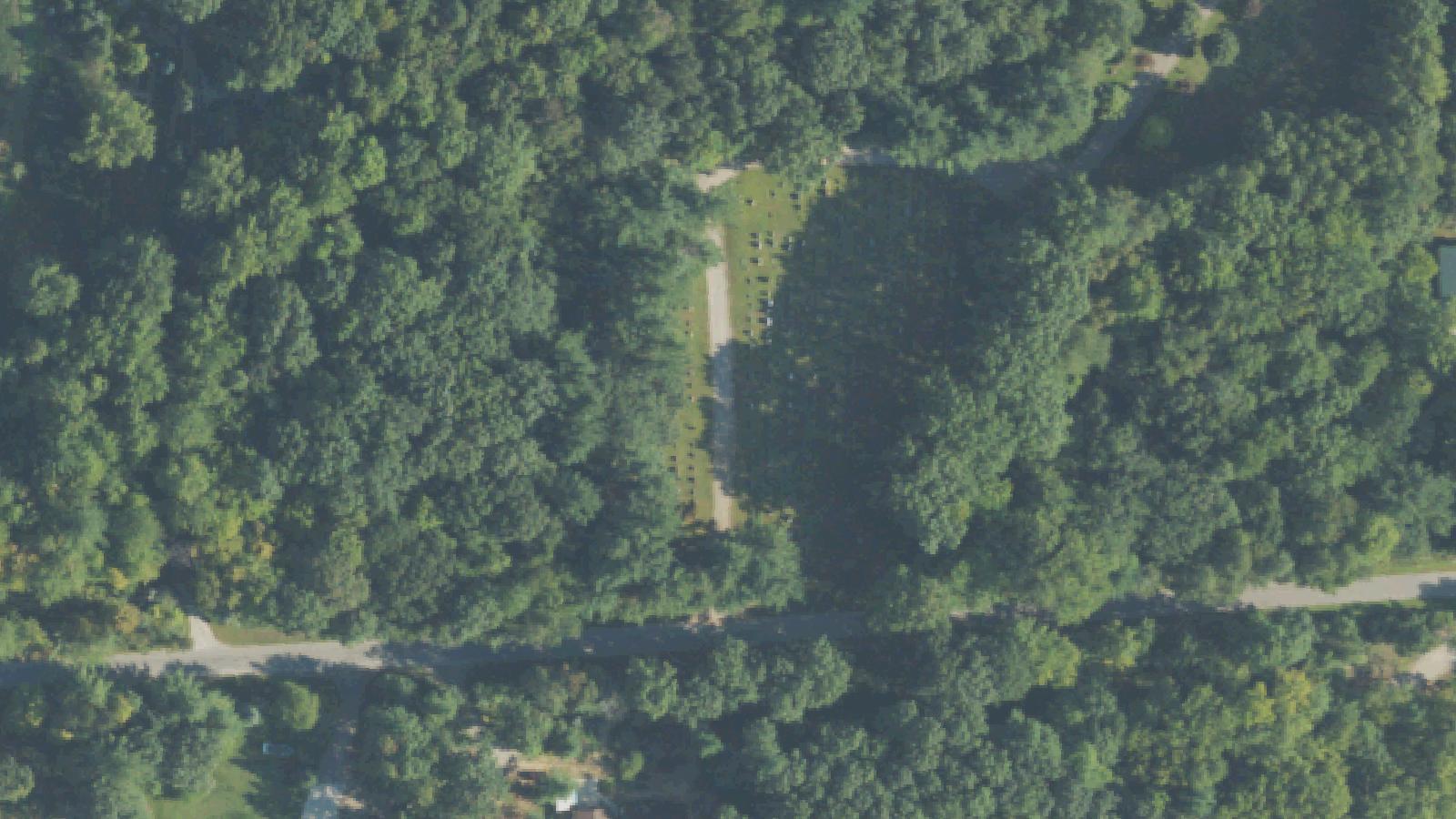
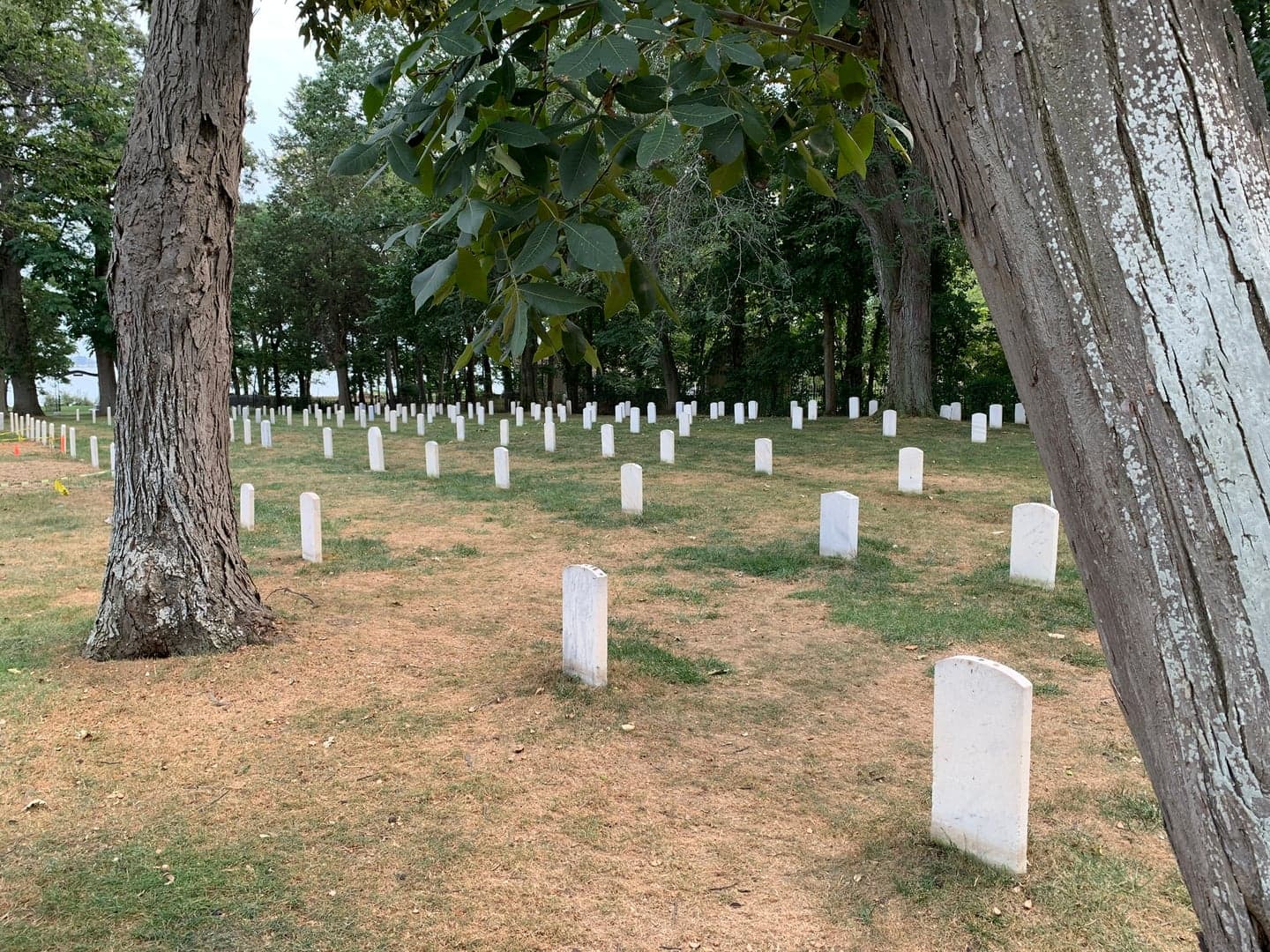
The site sits today as a small, fenced lot in a residential neighborhood, surrounded by streets and homes, with the bronze monument and historical marker as its primary features. Erie County and the Erie County Historical Society maintain it as one of Sandusky's listed historic markers and walking-tour stops.
Sources
- https://eriecountyohiohistory.org/cholera-cemetery/
- https://www.hmdb.org/m.asp?m=79100
- https://ohiohistorycentral.org/w/Cholera_Cemetery
- https://www.roadsideamerica.com/story/29656
Disembodied voicesDrifting lightsSensed presence
The folklore around Cholera Cemetery emerges directly from the documented horror of 1849. Local accounts, compiled by the Ohio Exploration Society and Roadside America, describe restless spirits of the cholera dead, with some stories asserting that victims were buried while still alive in the panic of the outbreak — a claim consistent with the speed of cholera deaths (the disease can kill within hours) and the burial pace of 357 interments in 68 days.
Visitors and paranormal accounts report angry disembodied voices near the graves, and lights described as drifting over the grassy area at night. The fenced-in, isolated character of the small lot — set incongruously among modern homes — contributes to the persistent sense of unease that visitors describe.
This is a site where the historical record itself supplies the weight. Roughly 400 deaths in a city of 4,000-6,000 represented something like a tenth of the population, and the survivors who buried them did so under traumatic and overwhelming conditions. Whatever visitors experience at the site today, they encounter it against the backdrop of mass community loss that the bronze monument and historical marker explicitly commemorate.