Est. 1891 · Richardsonian Romanesque Architecture · National Register of Historic Places · Joseph W. Yost Design · Roosevelt and Taft Campaign Stop
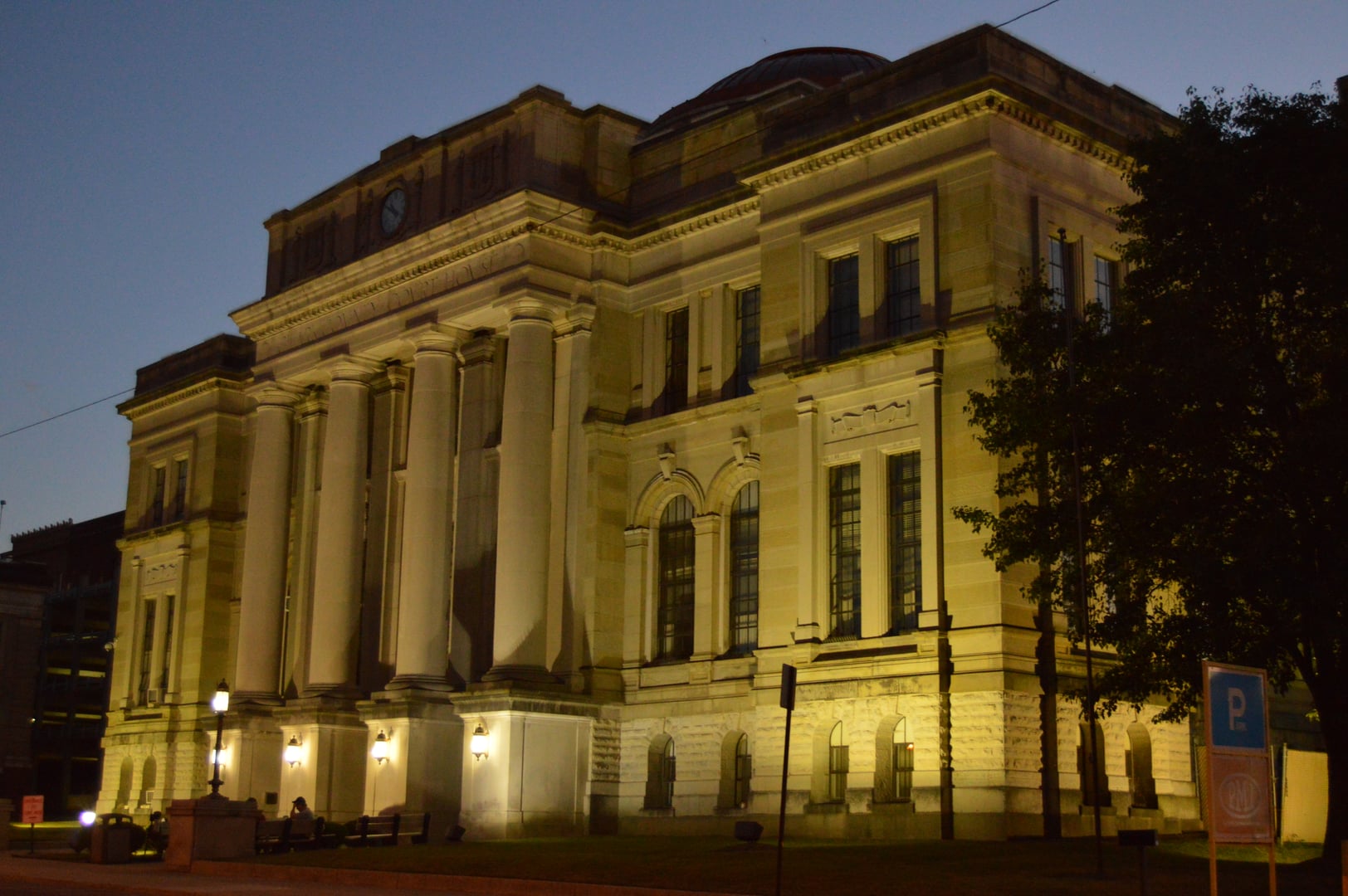
The Fort Piqua Hotel was built in 1891 in response to civic rivalry between Piqua and Troy, Ohio. After Troy was selected as the Miami County seat in 1884 and opened a new courthouse in 1888, Piqua's leadership commissioned a building they hoped would match Troy's architectural ambition. Columbus architect Joseph W. Yost was engaged to design the new hotel.
Yost's Richardsonian Romanesque design used more than 800,000 bricks across five stories and a basement, anchored by a 115-foot corner tower. The hotel offered 100 guest rooms and a two-story dining room on the fourth floor. The final construction cost was approximately $125,000.
The hotel hosted a notable roster of public figures during its operating years. Theodore Roosevelt and William Howard Taft delivered campaign speeches from its balcony in 1912. Woodrow Wilson, John Philip Sousa, and Harry Houdini all stayed during their tours. After the hotel era ended, the building served as a Carnegie-supported library and other functions before sitting empty for an extended period.
A major civic restoration completed in 2008 transformed the building into Fort Piqua Plaza, with the Piqua Public Library occupying most of the lower floors, the Piqua Historical Museum on display, a banquet hall in the restored fourth-floor dining room, and small retail spaces at street level. The building is listed on the National Register of Historic Places.
Sources
- https://www.thefortpiquaplaza.com/history
- https://www.thislocallife.com/history-of-the-fort-piqua-plaza
- https://www.piqualibrary.org/hours-and-location
- https://www.ohiohauntedhouses.com/real-haunt/fort-piqua-hotel.html
ApparitionsObject movementPhantom sounds
Fort Piqua Plaza's haunted reputation centers on a single figure: a handyman who, according to long-running local accounts, died in 1910 after falling into a barrel of cleaning acid in the building's basement. The story is repeated across regional paranormal sources but lacks corroboration in published Piqua newspaper indexes available online; it should be treated as durable folklore rather than confirmed historical fact.
Library staff and after-hours occupants of the building have offered the most consistent accounts. The handyman figure is described as appearing in the basement near the building's old coal shoveling area, sometimes in motion as if completing routine maintenance work. On upper floors, staff have reported heavy objects shifting position when the floor is documented empty: chairs out of place, doors that latch on their own.
The most distinctive ongoing report involves the fourth-floor dining room, now restored as a banquet hall. Library staff and event coordinators have described faint music drifting down the central staircase when the upper floor is locked and dark. None of the accounts include named witnesses in published material, which keeps the activity in the register of staff folklore rather than investigative documentation. The building's restoration in 2008 was unusually thorough for a city of Piqua's size, and the tradition has persisted across the renovation.
Notable Entities
The Handyman