Est. 1886 · Filming Location for The Shawshank Redemption · Levi T. Scofield Victorian Gothic Architecture · Largest Free-Standing Steel Cell Block in the World · 200+ Deaths During Operation
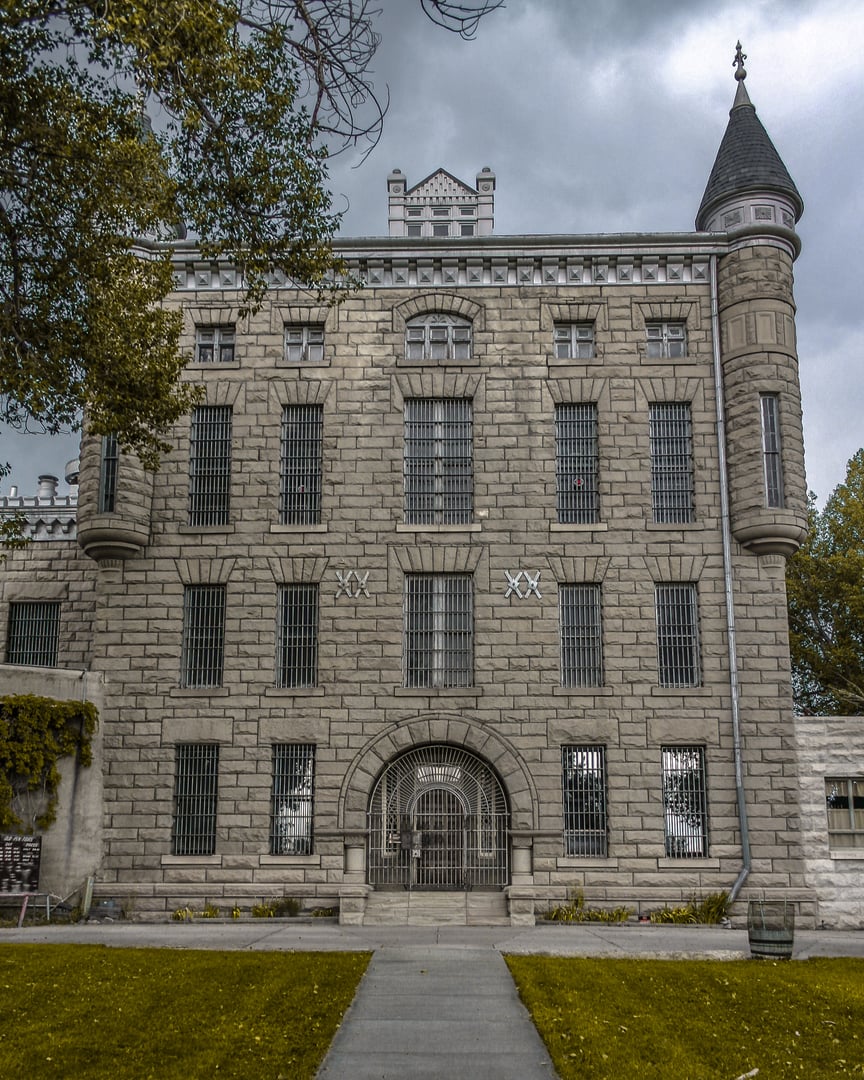
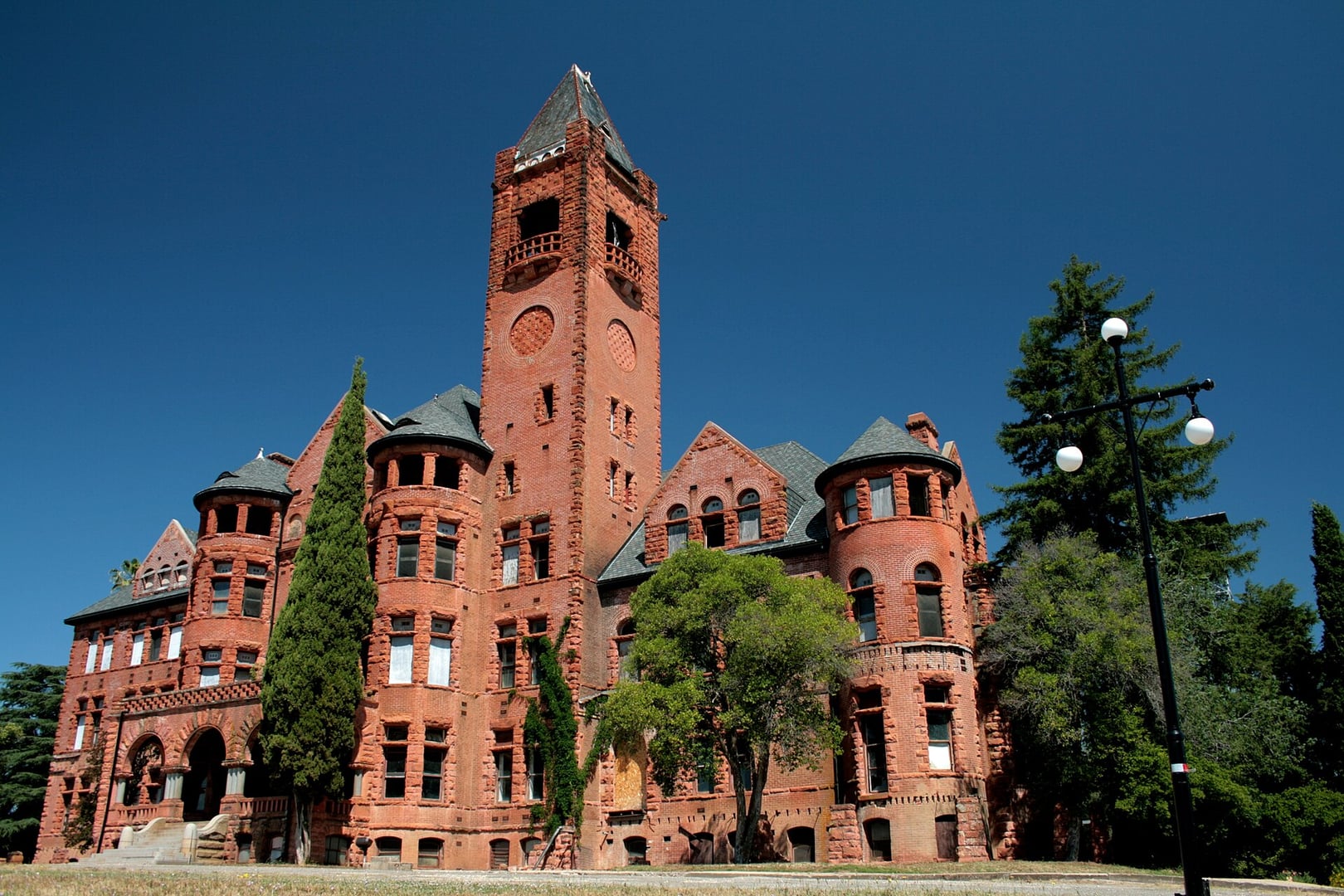
Architect Levi T. Scofield of Cleveland received the commission for the Ohio State Reformatory in the mid-1880s with a specific brief: design a building that would inspire spiritual transformation in its occupants. His solution was an eclectic blend of Victorian Gothic, Richardsonian Romanesque, and Queen Anne styles, producing a castle-like structure with turrets, arched windows, and rough-cut stonework that looks more like a medieval cathedral than a state correctional facility. The design was functional philosophy: Scofield and reformatory theory of the era held that beautiful, ordered environments would encourage moral rehabilitation.
Construction proceeded from 1886 to 1910 on a 40-acre site at the edge of Mansfield. The facility opened September 15, 1896, receiving its first 150 prisoners by train from Columbus. The reformatory was positioned as an intermediate institution: less severe than the maximum-security Ohio Penitentiary in Columbus, more structured than county jails. It was intended for young first-time offenders who might benefit from rehabilitation rather than punishment.
The institution's operational reality diverged substantially from its architectural intention. Over nearly 100 years, more than 155,000 men passed through the facility. More than 200 died within its walls, including two guards killed during escape attempts. Warden Arthur Lewis Glattke's tenure from 1935 to 1959 represented the longest single administration; he introduced piped-in radio for the cell blocks and other reforms, but the physical plant deteriorated steadily through the mid-20th century.
The East Cell Block, which contains six tiers of cells, remains the largest free-standing steel cell block in the world — a structural superlative that only adds to the building's physical scale. Federal courts ordered the reformatory's closure in 1990 due to overcrowding and conditions that violated constitutional standards. The final prisoners transferred to a new facility that year.
The Mansfield Reformatory Preservation Society formed in 1995 to save the building from demolition and convert it to public use. The organization has operated it since as a museum and event venue. The 1994 film The Shawshank Redemption, filmed primarily on-site, brought the building global recognition. The facility now hosts an annual music festival (INKcarceration) in the prison yard.
Sources
- https://en.wikipedia.org/wiki/Ohio_State_Reformatory
- https://www.mrps.org/paranormal-programs/
- https://www.nbc4i.com/news/local-news/richland-county/ohio-reformatory-paranormal-events-2025/
- https://www.mrps.org/
- https://destinationmansfield.com/venue/ohio-state-reformatory-2/
- https://shawshanktrail.com/sites-listed/shawshank-prison/
- https://cincinnatighosts.com/the-haunted-ohio-state-reformatory/
- http://www.panicd.com/location.php?ln=1009
- https://www.pbs.org/video/ghost-stories-from-the-ohio-state-reformatory-veqnvz/
ApparitionsShadow figuresPhantom footstepsTouching/pushingEVPEMF anomaliesCold spotsEquipment malfunctionIntelligent haunting
The Ohio State Reformatory's paranormal record has the unusual quality of including reports from when the facility was still operating. Multiple inmates during the 20th century independently reported seeing a woman visiting the cell blocks at night and tucking inmates in — a behavior no female staff member performed. The reports described her as a nurse. No nurse matching the description was identified on staff at the times of the reports.
A guard killed in Solitary Confinement in 1932 is the entity most consistently documented in the contemporary investigation record. Tour guides working the Solitary area have reported being poked from behind when no one is present behind them. Equipment operators report EMF spikes in the Solitary corridor on investigation nights that don't correspond to identified electrical sources. The accounts describe the entity as actively patrolling rather than residually repeating — what investigators classify as an intelligent haunting.
The East Cell Block's upper tiers generate the most photograph-documented shadow figure reports. The six-story scale of the block, combined with the iron cell structure and limited natural light, creates an environment where peripheral visual anomalies are common. Whether those anomalies are perceptual or documentable is the central investigative question the Reformatory's programs are designed to pursue.
Ghost Adventures filmed an episode at the Reformatory that contributed significantly to its national profile as an investigation destination. Ghost Hunters followed. Both productions documented equipment responses and investigator accounts that the Mansfield Reformatory Preservation Society references in its paranormal program materials.
Notable Entities
The Guard of SolitaryThe Nurse
Media Appearances
- Ghost Adventures
- Ghost Hunters