Est. 2000 · Ohio State Penitentiary History · 1930 Prison Fire · Columbus Redevelopment
The Ohio State Penitentiary opened in Columbus in 1834 on a site adjacent to what is now downtown's Arena District. Over 150 years, it grew into one of Ohio's largest correctional facilities, at peak housing more than 5,000 prisoners in conditions well beyond its designed capacity.
On April 21, 1930, a fire ignited in the West Block when a candle set oily rags alight on a roof. The fire moved quickly through the overcrowded cell blocks. Guards, by multiple accounts, refused to open cell doors as the fire spread, leaving prisoners locked in their cages as smoke filled the building. 322 inmates died; 230 were hospitalized. The event prompted significant public pressure for prison reform in Ohio.
The penitentiary operated until 1984, when it was formally closed. Ohio sold the property to the city of Columbus, and demolition by S.G. Loewendick & Sons cleared the structures in 1997. Nationwide Mutual Insurance Company purchased the land and developed the Arena District, a mixed-use complex anchored by Nationwide Arena, which opened in 2000.
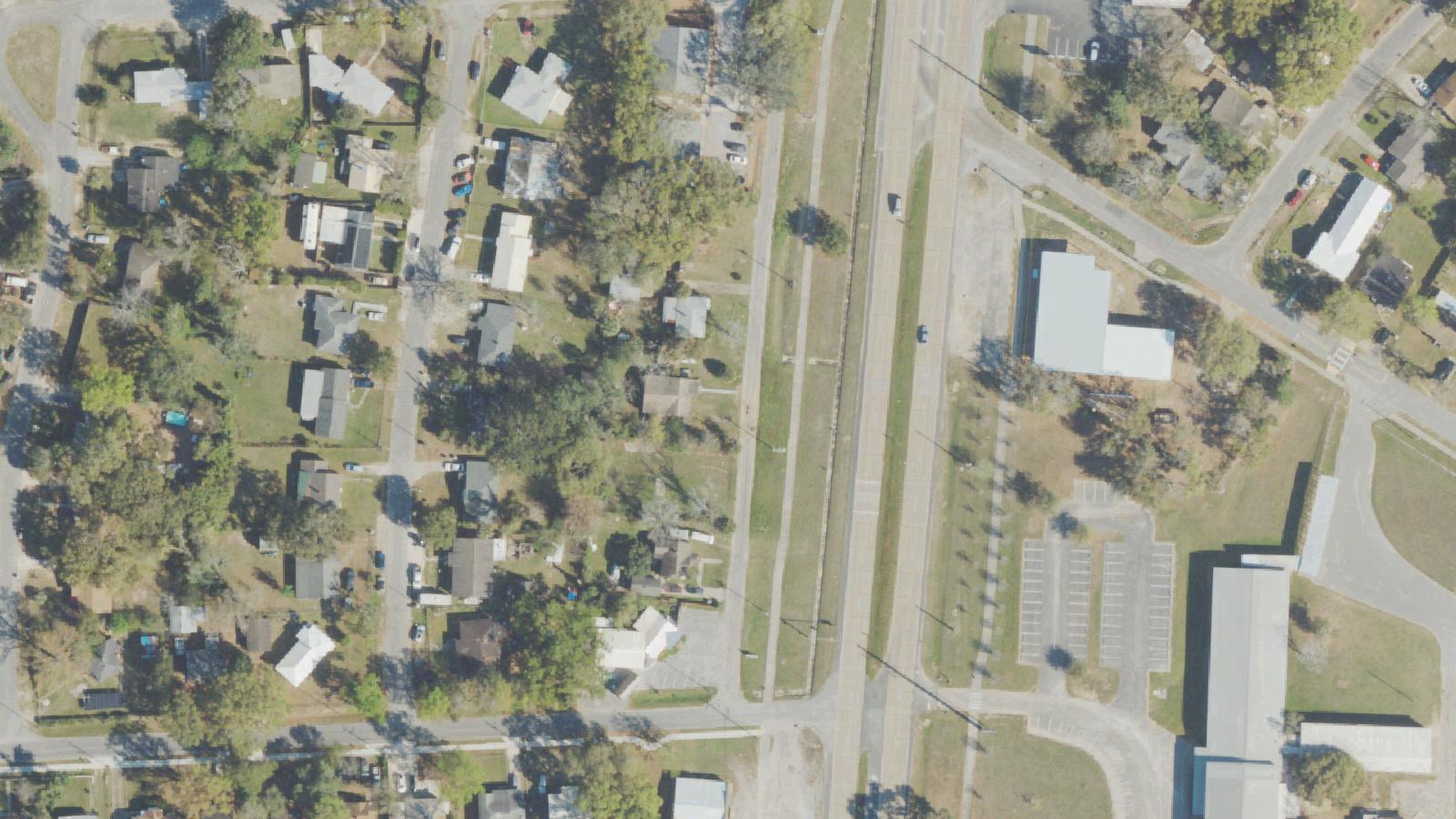
The arena itself sits over the former prison parking lot. The parking areas and apartment complex that flank the arena occupy the footprint of the cell blocks and main prison structures.
Sources
- https://en.wikipedia.org/wiki/Ohio_Penitentiary
- https://morbidlybeautiful.com/columbus-nationwide-arena/
- https://www.nationwidearena.com/history
- https://abc6onyourside.com/news/hidden-histories-ohio-state-penitentiary-1930-deadliest-fire-in-us-history-prison-system-reform-ohio-parole-board-established-arena-district-downtown-columbus
Shadow figuresCold spotsPhantom soundsDisembodied screaming
The accounts from Nationwide Arena employees share a consistent geography: the lower concourse, service corridors, and areas near the building's foundations are where reports originate most frequently. Shadow figures appear at the edge of sight and are gone when addressed directly. Temperature drops occur without HVAC explanation. Whispering reaches workers who are alone in sections of the building.
Crying and screaming, described as coming from below or from empty sections of the arena, have been reported by staff across multiple accounts. Morbidly Beautiful's profile of the arena attributes these reports to employees and visitors, though it names no witnesses.
The 1930 fire killed 322 people who were locked in their cells. Some paranormal researchers associate sudden mass tragedies of this kind with residual activity at other sites. Whether the arena's lower levels retain some trace of that event is a question that workers who spend late nights in the building answer anecdotally, consistently.