Drive-By
View the church steeple from the street
The Manchester Presbyterian Church legend is observed by looking up at the lit steeple glass from the public street, where the bell-ringer's ghost is said to appear.
- Duration:
- 10 min
HauntBound archive · catalog record
Reported phenomena, as catalogued
A historic Presbyterian church in the Ohio River village of Manchester, Adams County, where lore says the ghost of its longtime bell-ringer can be seen in the lit steeple late at night.
Presbyterian Church, Manchester, Manchester, OH 45144
Research updated June 2026
Age
All Ages
Cost
Free
A historic church; the legend involves looking up at the steeple from the public street. Do not disturb the congregation or trespass.
Access
Wheelchair OK
Village street setting; flat sidewalks.
Equipment
No Photos
Historic Presbyterian congregation in one of Ohio's oldest river villages · Local legend of a single century-long bell-ringer · Recorded in regional folklore collections
Manchester is a historic village on the Ohio River in Adams County, southern Ohio, founded in the late 18th century and among the oldest settlements in the area. The village's Presbyterian church is the subject of a piece of local folklore concerning its bell.
As recorded by the Ohio Exploration Society's Adams County page, the church bell was rung every Sunday morning to summon townspeople to worship, and tradition holds that across more than a century only one man ever rang it. After his death the bell fell silent, but the legend says his ghost can be seen late at night in the lit steeple glass, moving about the bell as if tending to it.
The story is recorded only in regional ghost-lore aggregators and does not name the bell-ringer or cite a documented date or event. The venue is a real historic church; the haunting rests on uncorroborated folklore.
Sources
The Manchester Presbyterian Church legend is a quiet one. For generations the church bell was rung every Sunday morning, thirty minutes before services, to tell the townspeople to finish breakfast and head to worship. Tradition holds that in the church's hundred-plus-year history only one man ever rang that bell.
The bell is no longer used and the man is long gone, but the story says that passersby who look up into the lit steeple glass late at night can see the shadow of his ghost moving around the bell, as if he were still tending or repairing it, faithful to his task beyond death.
The legend is independently documented by the Ohio Exploration Society's Adams County hauntings page, which records: 'The church bell that was rang every Sunday was rang by the same man for nearly 100 years. The man who rang the bell has long since died and the bell is no longer in use. His ghost can sometimes be seen late at night walking around the bell, as if he were fixing it.' This independent account from a regional folklore-documentation organization, compiled from contributor submissions and editorial review, establishes a second source for the tradition beyond the Shadowlands submission. The legend names no individual, date, or documented event; it is presented here as gentle local folklore.
Where this legend is told
The Manchester Presbyterian Church legend is observed by looking up at the lit steeple glass from the public street, where the bell-ringer's ghost is said to appear.
Some links on this page may earn HauntBound a small commission when you book, at no extra cost to you. Our editorial picks are independent. Full disclosure
Every HauntBound history is researched from documented sources. We clearly separate verified historical fact from paranormal folklore.
Free Guide
11 verified stops, rated for families, mapped in order. Free.
One email to confirm, then the guide link. Unsubscribe anytime.
Columbus, OH
Hayes Hall opened in 1893 and is the oldest existing building on the Ohio State University campus. Named for Rutherford B. Hayes — former U.S. President, Ohio Governor, and an OSU Trustee who died on January 17, 1893, roughly two weeks before the building opened — it was originally a men's dormitory and is now home to the Department of Design.
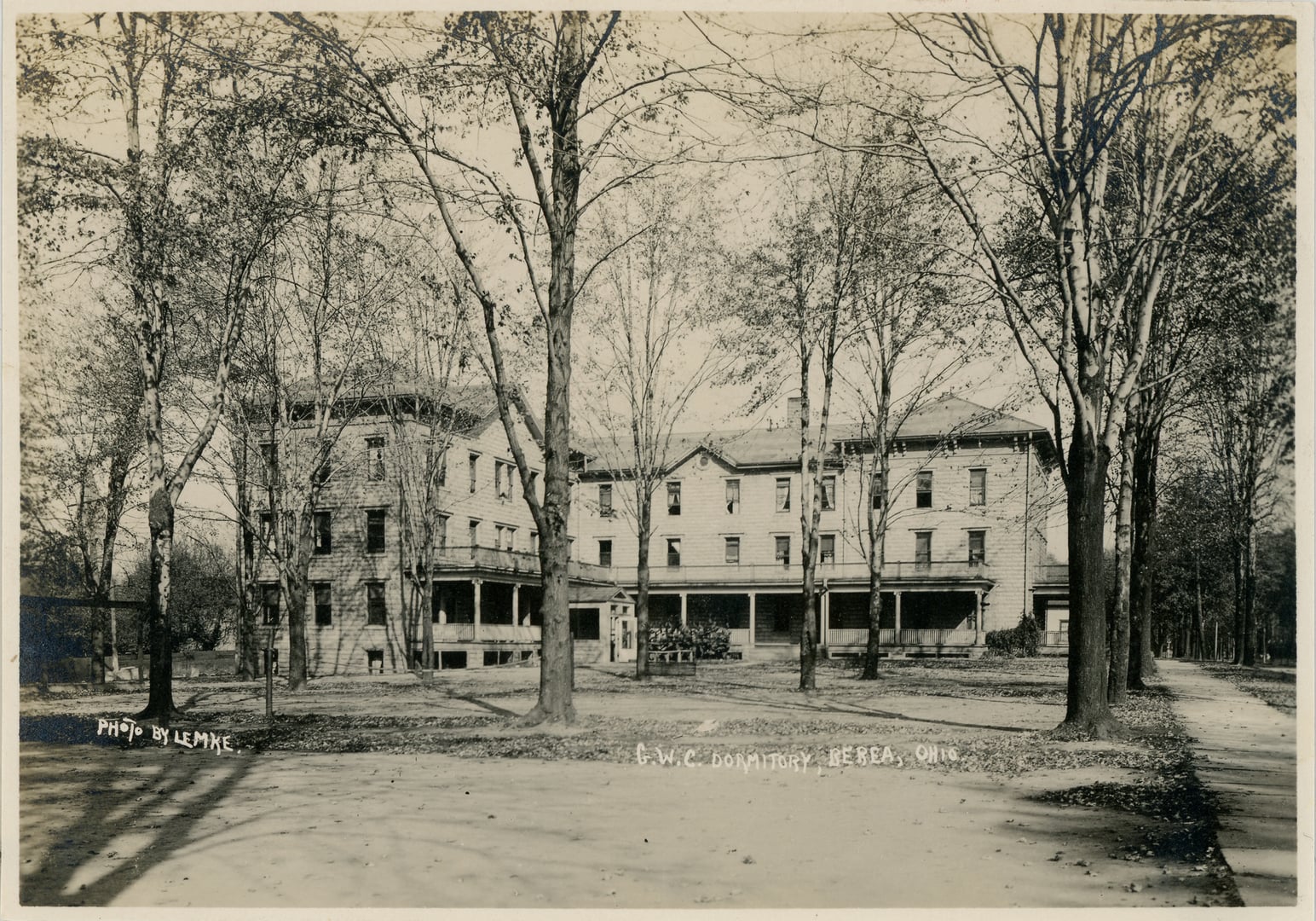
Berea, OH
Kohler Hall stood on Baldwin Wallace University's south campus in Berea, Ohio, in a building that existed by 1858. Before Baldwin Wallace acquired the property in 1913, it served variously as a Methodist children's home and as a hospital and morgue during the Civil War. It was a student dormitory until it was retired from service in 2018 and slated for demolition.
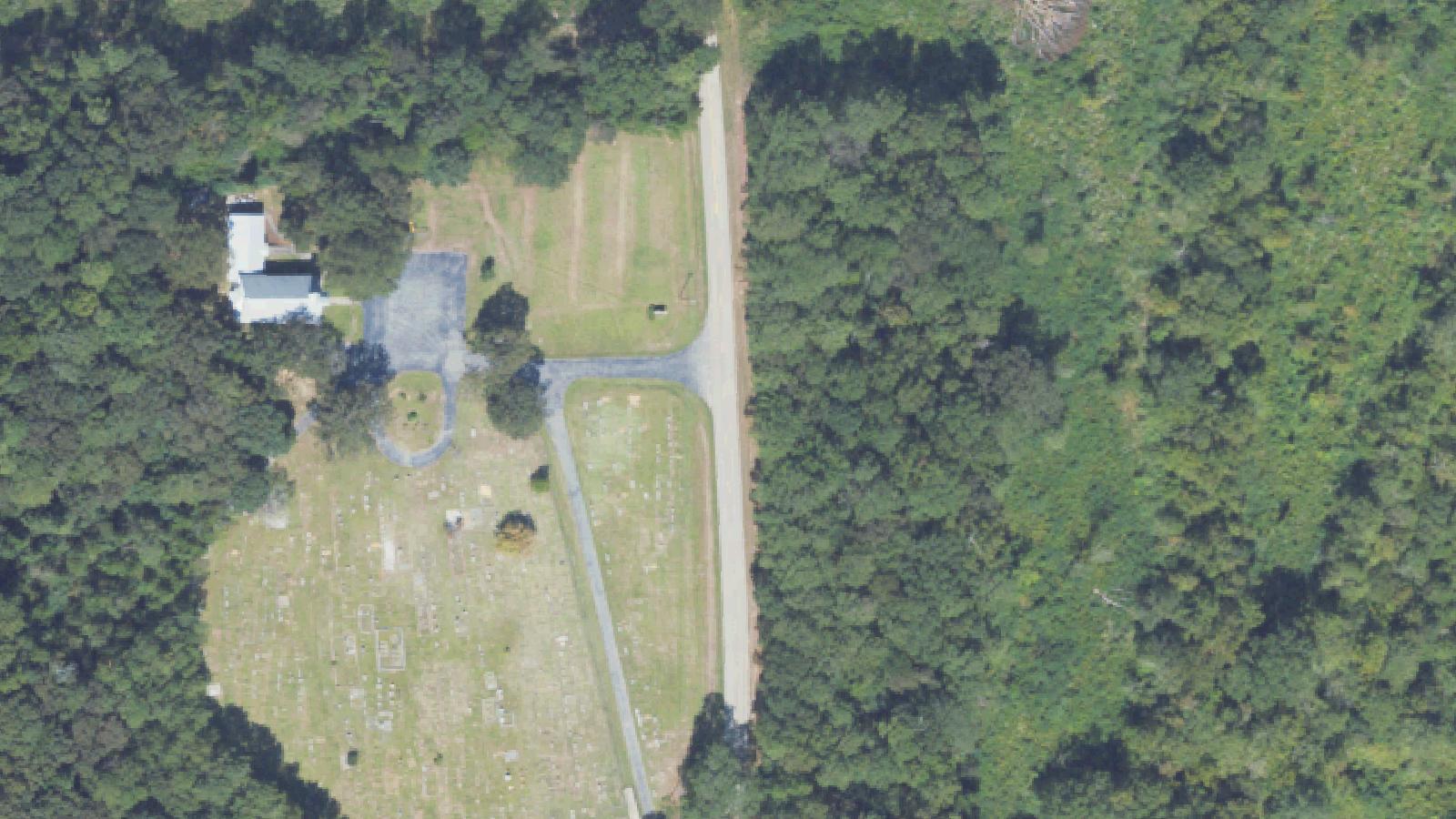 Aerial survey · USDA NAIP
Munford, AL
Bethlehem United Methodist Church in Munford, Talladega County, Alabama, is a rural religious institution with a cemetery containing over 400 graves. The site holds documented burials of Civil War veterans and early Alabama settlers, making it a site of local historical significance.