Est. 1911 · Ohio's first state-supported tuberculosis hospital · 158-bed peak capacity serving Allen County region · Six decades of operation through TB epidemic · 2024 demolition order issued
The Lima Tuberculosis Hospital opened in 1911 on Shawnee Road in Lima, established as the first tuberculosis sanitarium in Ohio to receive state support. It began with 24 beds and expanded significantly over subsequent decades, eventually reaching a capacity of 158 beds as tuberculosis remained one of the leading causes of death in the state through the mid-twentieth century.
The facility treated patients across the full arc of Ohio's TB epidemic. Tuberculosis — then known as consumption — killed patients slowly, often over months or years, and a sanitarium admission frequently amounted to a terminal diagnosis. The Lima hospital accumulated hundreds of deaths during its six decades of operation before closing in 1973, as improved antibiotic treatments made large-scale residential TB care obsolete.
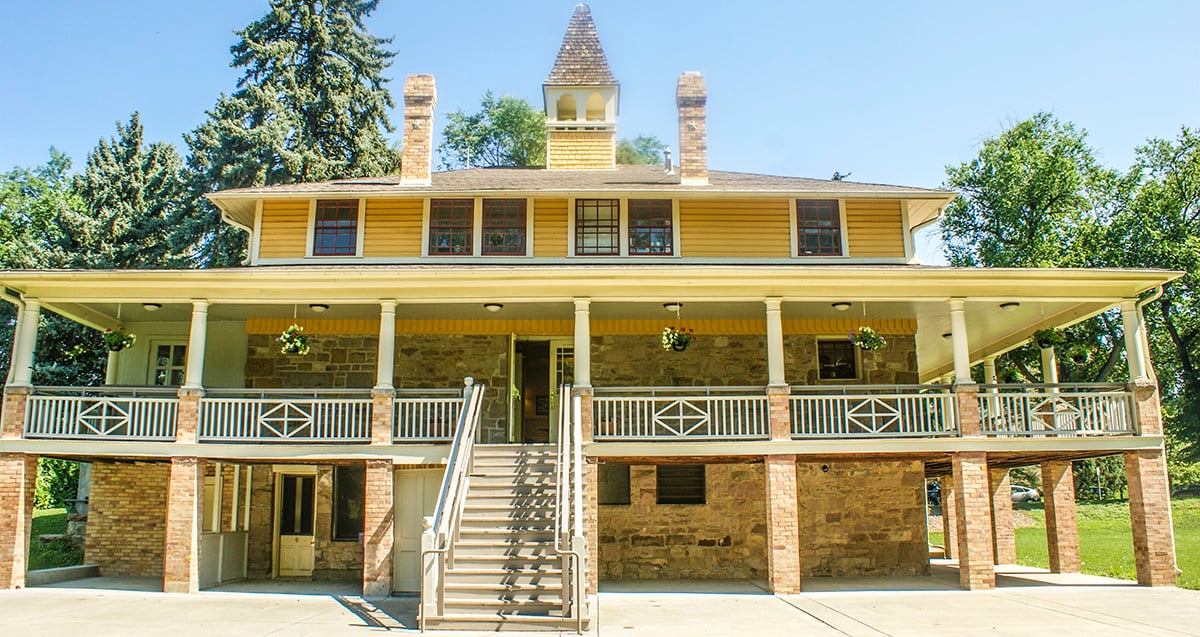
After closure, the building stood vacant for decades. According to Wikipedia, which drew on local historical records, the structure remained recognizable as a period institutional building. In 2024, Lima city officials issued a demolition order for the property, placing its future in question. Visitors interested in the site should verify current conditions before making the trip.
Sources
- https://en.wikipedia.org/wiki/Lima_Tuberculosis_Hospital
- https://supernaturalohio.wordpress.com/2014/09/25/the-lima-district-tuberculosis-hospital/
- https://architecturalafterlife.com/2014/11/lima-tuberculosis-hospital-the-white-plague/
Apparitions in patient nightgownsUnexplained barrier preventing third-floor accessReported sightings in basementDisembodied sounds
Paranormal accounts attached to the Lima Tuberculosis Hospital follow a pattern common to former medical institutions: apparitions in patient attire, unexplained sounds, and a building that seems to resist exploration. Accounts documented by Supernatural Ohio describe figures in white nightgowns moving through the building's corridors — the visual signature of ward patients rather than staff.
The most unusual recurring claim involves the third floor. Multiple accounts describe an invisible barrier that prevents visitors from ascending to the upper level, with people reporting an overpowering reluctance or physical resistance that stops them at the stairwell. Whether this reflects a structural condition, a psychological response to the building's history, or something else has not been independently tested.
Basement accounts, documented in architectural and paranormal investigation write-ups, involve reported sightings of human remains — claims that are difficult to verify and likely represent misidentification or legend-creep from the facility's documented death toll. The building's genuine history, with hundreds of patients dying on-site over six decades, provides a factual foundation onto which paranormal tradition has been layered.