Est. 1915 · Ohio's first state hospital for criminally insane · Converted to prison in 1982 · Closed 2004 under Governor Bob Taft · Nearly 90 years of criminal psychiatric and correctional history
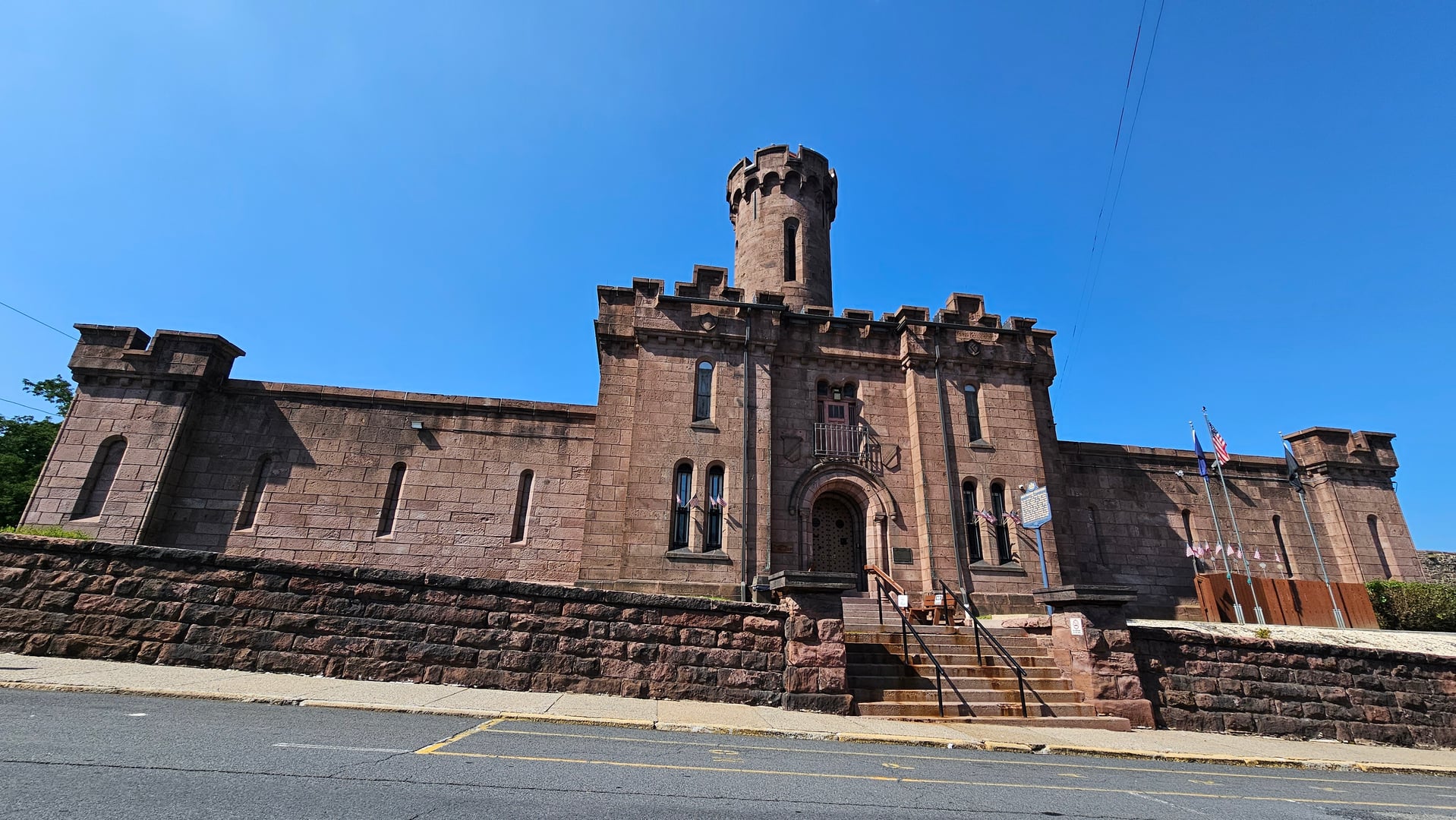
The Lima State Hospital for the Criminally Insane opened in 1915 on the western edge of Lima, designed to house individuals who were committed through the criminal justice system rather than the civil psychiatric system. These were men and women who could not be held in conventional prisons due to their mental condition, and could not be discharged into the community. The institution operated under this mandate for nearly seven decades.
In 1982, the facility was converted from a psychiatric hospital into the Lima Correctional Institution, a standard-classification state prison. The shift reflected changes in Ohio's approach to criminal mental health — individuals requiring psychiatric care were increasingly diverted to other facilities, while the Lima building itself was repurposed to hold the general prison population. The correctional institution operated for more than two decades before Governor Bob Taft ordered it closed in 2004 as part of a state prison consolidation.
The Allen-Oakwood Correctional Institution, a related facility on the same grounds, continued operation after the Lima Correctional closure. The history of the site — nearly a century of housing individuals considered too dangerous or too mentally unstable for conventional incarceration — left a documentary record of institutional life that spans both the psychiatric and correctional eras.
Sources
- https://en.wikipedia.org/wiki/Allen-Oakwood_Correctional_Institution
- https://www.ohioexploration.com/paranormal/hauntings/allencounty/
Disembodied voices in cell blocksApparition of female employee identified by uniform numberFigure described as tucking inmates into bed
Paranormal accounts from the Lima Correctional Institution come from an unusual source: the inmates themselves. While prison ghost stories are sometimes dismissed as rumor circulation in an environment with limited stimulation, the accounts from Lima have specific, consistent details that make them notable.
The most frequently cited figure is described as a former female employee of the institution — identified not by her face but by a uniform number visible on her sleeve. The detail of the uniform number is specific enough to be cross-referenced against employee records in principle, though no documented attempt to do so appears in published sources. Ohio Exploration Society's documentation of Allen County hauntings records this account among others from the facility.
A second recurring figure is described as doing something actively helpful: tucking inmates into bed. This behavioral detail — protective rather than threatening — is unusual in institutional haunting accounts and has no obvious parallel in the facility's documented history. Disembodied voices were also reported in the cell blocks, heard by multiple inmates across different times and locations.