Est. 1973 · Deadliest Disaster in Nevada History · Third-Deadliest Hotel Fire in U.S. History · Drove Mandatory Sprinkler Legislation in Nevada
The MGM Grand Hotel and Casino opened on the Las Vegas Strip in 1973 and was one of the world's largest hotels. On the morning of November 21, 1980, an electrical ground fault in a refrigerated pastry display case in the casino's ground-floor deli restaurant ignited a fire that spread across the 100,000-square-foot casino floor in approximately six minutes, moving at 15 to 19 feet per second.
Approximately 5,000 people were in the building when the fire broke out at roughly 7 a.m. The casino lacked fire sprinklers — exempt at the time because of its 24-hour occupancy classification. Toxic smoke and carbon monoxide moved rapidly through the ventilation system into the upper floors of the hotel tower. Of the 85 people killed, 78 were guests and 7 were employees. Most died from smoke inhalation, not flames, while trapped on upper floors.
The rescue operation was one of the largest in Nevada's history. Military helicopters airlifted survivors off the roof; hundreds were treated at hospitals throughout the Las Vegas Valley. More than 700 people were injured.
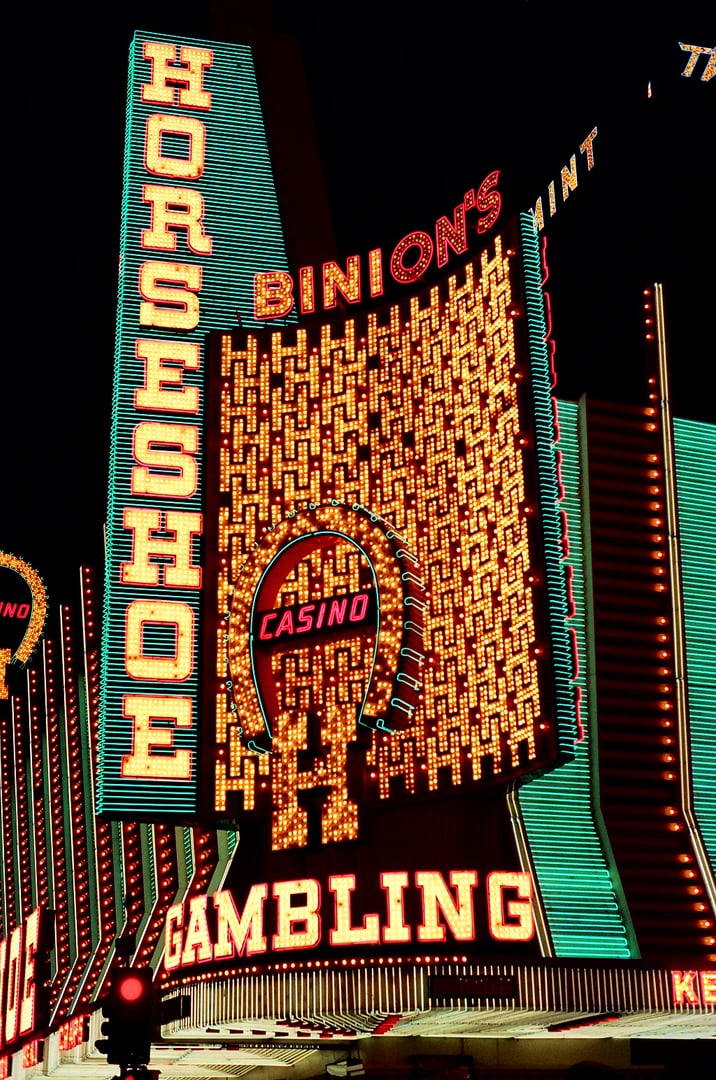
The building reopened in July 1981 after a $50 million renovation. The state of Nevada passed legislation requiring fire sprinklers in all public buildings effective 1981, directly driven by the disaster. The MGM Grand sold the property in 1985 to Bally Manufacturing Corporation, which operated it as Bally's Las Vegas until Caesars Entertainment rebranded it as Horseshoe Las Vegas in 2022.
Sources
- https://en.wikipedia.org/wiki/MGM_Grand_fire
- https://www.reviewjournal.com/local/the-strip/hell-on-earth-40-years-ago-a-historic-fire-at-the-mgm-grand-2181965/
- https://vegasghosts.com/mgm-grand-fire/
- https://www.creepypasta.com/horror-at-horseshoe-unveiling-true-scary-stories-from-terrified-visitors/
- https://www.hauntedrooms.com/nevada/las-vegas/haunted-places/haunted-hotels/ballys-hotel
Cold spotsGeneral uneaseUnexplained sensations
The MGM Grand fire site's paranormal attribution is sparse relative to its historical significance. Vegas ghost tour operators include the Horseshoe Las Vegas / former Bally's footprint in Strip-area dark-tourism discussions, noting that the scale of the November 1980 event — 85 deaths in a single morning — gives it weight as a site of traumatic mass death.
Reported phenomena in accounts from guests and investigators center on the casino floor area near where the fire began and on the upper floors where most fatalities occurred. Cold spots and unexplained feelings of distress are the most commonly cited phenomena. No named entities or recurring apparitions appear in documented investigation reports.
The absence of any on-site memorial or interpretive signage means the site's dark-tourism significance depends entirely on visitor prior knowledge. The Las Vegas Review-Journal's 40th anniversary coverage in 2020 collected firsthand accounts from survivors and first responders that provide context for independent visitors.
Where this legend is told