Est. 1751 · Battle of Monmouth Field Hospital 1778 · 70+ Revolutionary War Veterans Interred · Congregation Founded 1692 · Monmouth Battlefield Historic District
Scottish Dissenters escaping religious persecution under James II established a congregation in the Freehold area of New Jersey in 1692. The community built successive meeting houses before completing the current structure in 1751, which they named in honor of pastors John and William Tennent, who had served the congregation in its formative years. The building has undergone little fundamental change in the intervening 270 years.
On June 28, 1778, the British Army under Sir Henry Clinton marched through New Jersey retreating from Philadelphia toward New York, and General George Washington ordered pursuit. The engagement at Monmouth Courthouse was fought in brutal summer heat — temperatures reportedly exceeded 100 degrees. Old Tennent Church, just a few miles from the main fighting, was converted immediately into a field hospital for the wounded. Surgeons worked in the nave while the battle continued outside.
Captain Henry Fauntleroy, sitting on a tombstone in the churchyard watching the fighting, was struck by a cannonball that shattered his leg. He was carried inside and laid on one of the rear pews, where he died. The bloodstain from that wound remains visible on the seat beneath the cushion of a rear left pew — a claim that has been repeated in church histories, local journalism, and paranormal investigations for well over a century.
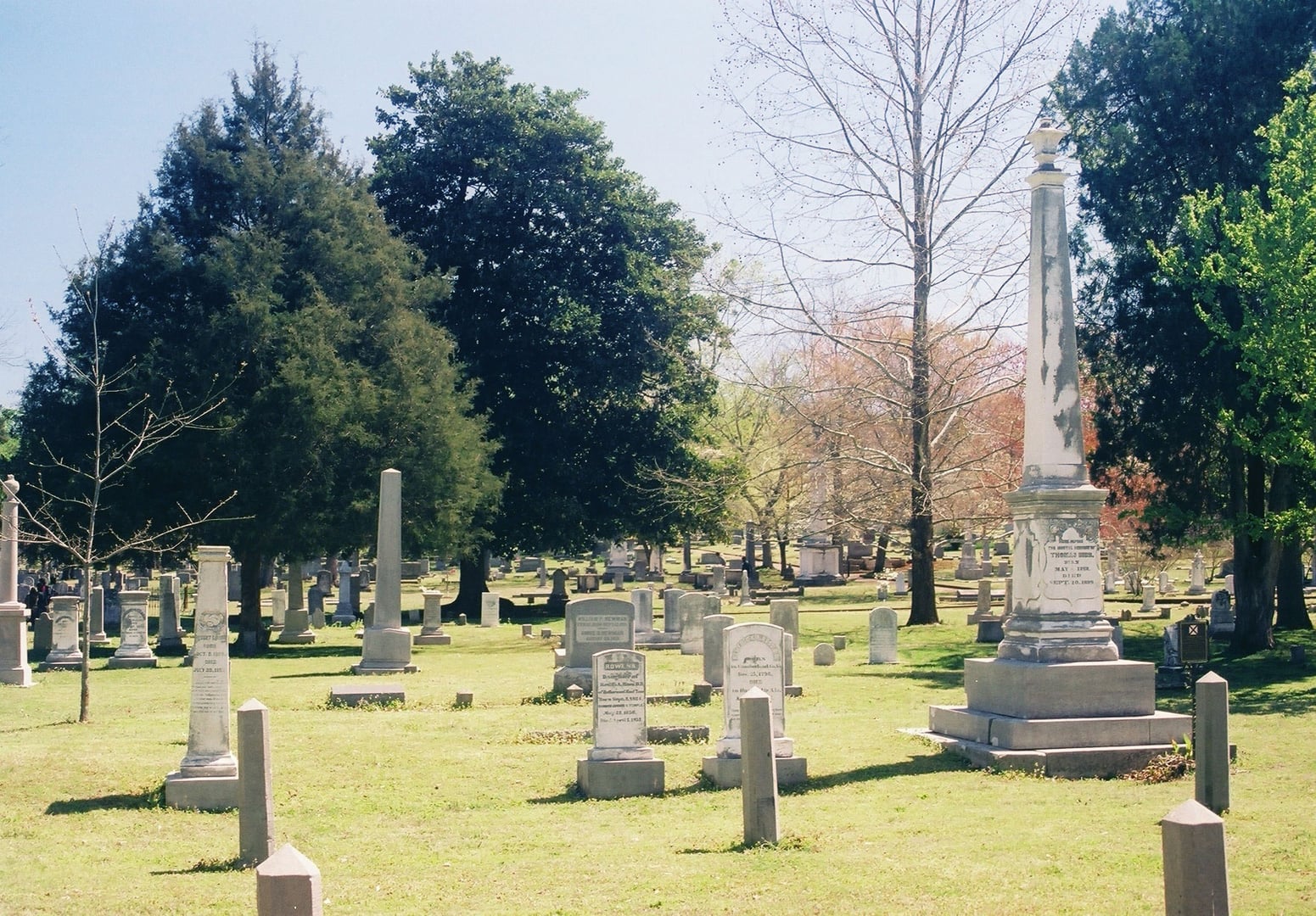
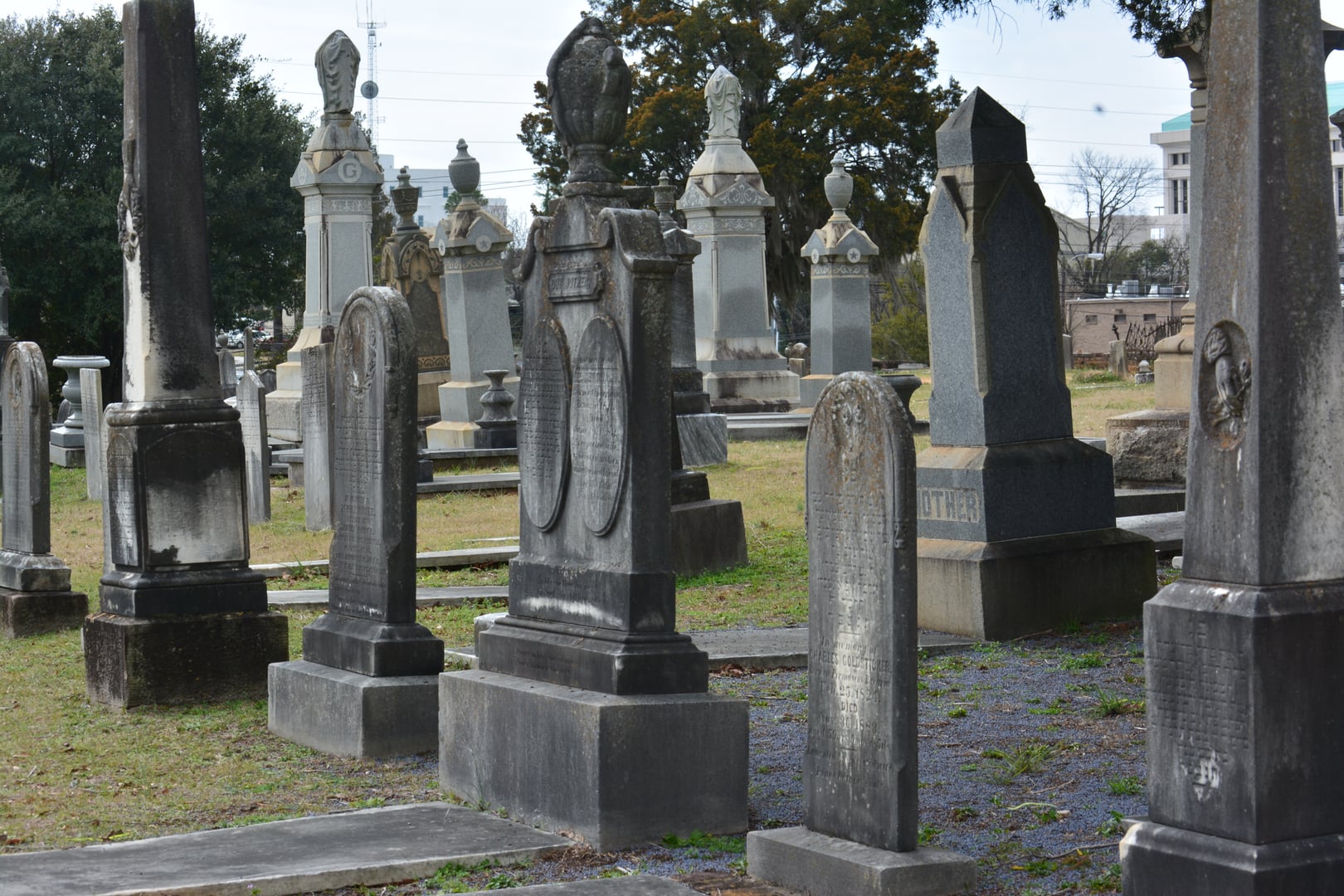
The cemetery includes the graves of Continental Congress delegate and physician Nathaniel Scudder, who signed the Articles of Confederation; Joshua Huddy, a militia officer hanged by the British in 1782; and Thomas Henderson, a Battle of Monmouth veteran who later served in the U.S. House of Representatives. A 1920 Soldiers and Sailors Monument honors Monmouth County residents who died in World War I. The property is part of the Monmouth Battlefield Historic District, listed on the National Register of Historic Places.
Sources
- https://en.wikipedia.org/wiki/Old_Tennent_Church
- https://weirdnj.com/stories/tennent-church-manalapan/
- https://themonmouthjournalwestern.com/manalapans-old-tennent-cemetery-named-scariest-in-new-jersey-p17410-73.htm
Apparition in pew (weeping soldier)Spectral soldiers in cemeteryPhantom cold draftsDoors slamming in still airApparition near cemetery entrance
The bloodstain in the rear left pew is the physical anchor for Old Tennent's haunted reputation. Captain Henry Fauntleroy's gravestone in the adjacent cemetery reads 'Killed by a cannon ball at the Battle of Monmouth 28th June, 1778.' The wound — described in the accounts as a cannonball striking his leg while he sat on a grave marker watching the battle — was severe enough that Fauntleroy was carried into the church, where he died on that pew. The stain beneath the cushion has been examined and noted in regional histories as genuine blood, though no forensic analysis in the modern record has confirmed or denied the attribution.
The reported midnight phenomenon at Old Tennent is specific: witnesses describe that if inside the church at midnight or looking through a window, one can see a soldier seated in the pew — the same left rear pew — sitting and weeping. Doors slamming in otherwise still air and cold drafts through a sealed building appear in accounts going back decades.
The cemetery generates its own category of reports. Multiple witnesses over the years have described Revolutionary War-era figures moving among the graves after dark, visible from the road and disappearing when approached. A separate tradition attaches to the grave of a young woman known locally as Cookie, who died in an automobile accident; flowers reportedly appear on her grave around the anniversary of her death, and local accounts describe her figure near the cemetery entrance.
Monmouth County historians and Weird NJ have both documented the site's paranormal reputation at length. The cemetery was named the scariest in New Jersey in regional press coverage.
Notable Entities
Captain Henry Fauntleroy (killed Battle of Monmouth, 1778)Cookie (unnamed young woman, cemetery)
Where this legend is told