Self-Guided Visit
See Miller Hall
View the Rutgers building on the College Avenue campus that once housed the McDede Burial Company's mortuary, the documented backdrop to its haunted reputation.
- Duration:
- 15 min
HauntBound archive · catalog record
Reported phenomena, as catalogued
A Rutgers building that once held the McDede Burial Company's mortuary, where staff report footsteps, whistling, and movement attributed to the old funeral trade.
College Avenue Campus, New Brunswick, NJ 08901
Research updated September 2026
Age
All Ages
Cost
Free
A Rutgers building on the College Avenue campus; exterior viewable for free.
Access
Accessibility not stated
Campus walkways and an older university building.
Equipment
Photos OK
Former site of the McDede Burial Company mortuary · Retains a stone inscribed 'McDede Burial Company' · Now a Rutgers University building on the College Avenue campus
Miller Hall stands on the College Avenue campus of Rutgers University in New Brunswick. Before the university took it over, the building was the site of a mortuary operated by the McDede Burial Company. According to Rutgers' own account of campus legends, a stone in the building still bears the inscription 'McDede Burial Company,' a physical trace of its earlier life in the funeral trade.
The shift from a working mortuary to a university building is the kind of reuse common in older college towns, where Rutgers absorbed nearby structures as it expanded along College Avenue. The funeral-home origin set Miller Hall apart from the campus's purpose-built academic buildings and gave it a backstory that university folklore has held onto.
The building remains in use today. Its documented history as a former mortuary, rather than any single recorded death on the premises, is what anchors the stories told about it. Both Rutgers' haunted-campus material and independent campus-history resources note the McDede connection as the core fact behind the legend.
Sources
The haunting of Miller Hall grows directly out of its documented past as the McDede Burial Company's mortuary. With a building that once prepared the dead, the stories that have attached to it are about lingering activity: faculty and staff describe unexplained noises, footsteps in empty corridors, whistling, and small movements with no clear cause.
Campus lore offers two framings, both noted in Rutgers' own retelling. One holds that the activity belongs to the mortuary's operator, still keeping to old routines in the building he ran. The other suggests it traces to the former dead who passed through the funeral home before it became a university hall. Neither is tied to a specific named person in the documented sources, which keep the legend general.
The stories are low-key by ghost-story standards — sounds and a sense of movement rather than apparitions or dramatic events — but the mortuary origin gives them an unusually concrete hook. That hook is why Miller Hall appears in both the university's haunted-campus account and independent campus-history write-ups as one of Rutgers' notable haunted buildings.
Notable Entities
Where this legend is told
View the Rutgers building on the College Avenue campus that once housed the McDede Burial Company's mortuary, the documented backdrop to its haunted reputation.
Some links on this page may earn HauntBound a small commission when you book, at no extra cost to you. Our editorial picks are independent. Full disclosure
Every HauntBound history is researched from documented sources. We clearly separate verified historical fact from paranormal folklore.
Free Guide
12 verified stops, rated for families, mapped in order. Free.
One email to confirm, then the guide link. Unsubscribe anytime.
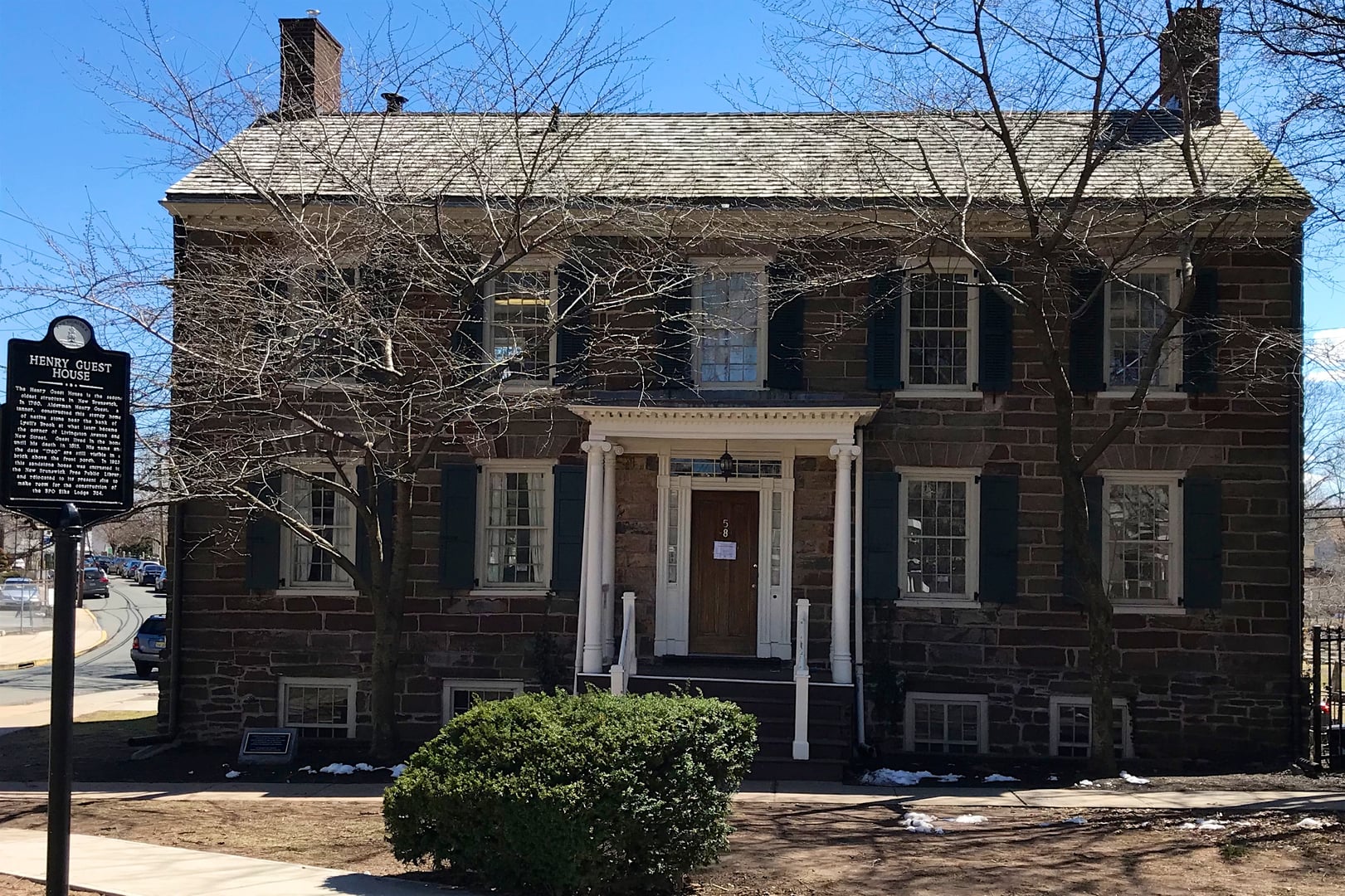
New Brunswick, NJ
Henry Guest Sr., a New Brunswick alderman and tannery operator, built this Georgian stone farmhouse in 1760. Guest is documented as an associate of John Adams and the writer Thomas Paine. The house was moved up Livingston Avenue beside the New Brunswick Free Public Library in 1924 and was listed on the National Register of Historic Places in 1976.
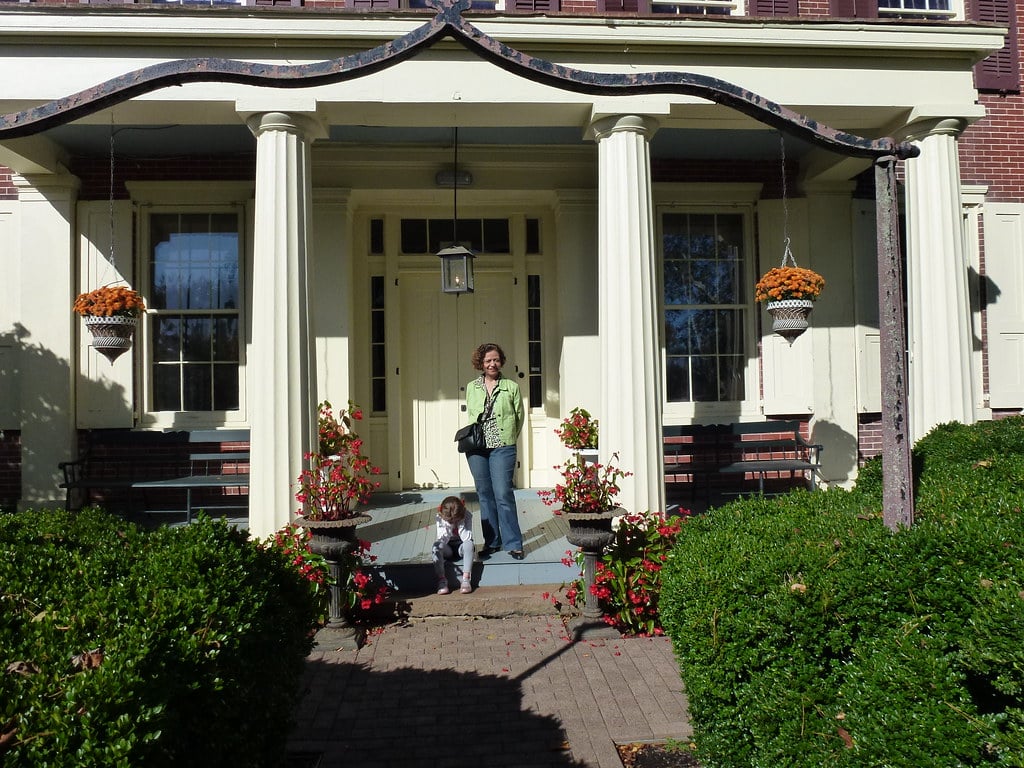
Eastampton, NJ
Hezekiah Bradley Smith built this Italianate mansion in the 1860s as the centerpiece of a planned industrial village where he manufactured bicycles, woodworking machinery, and other goods at a scale unusual for rural Burlington County. After his death the estate declined and eventually passed to Burlington County, which operates it as a park museum.
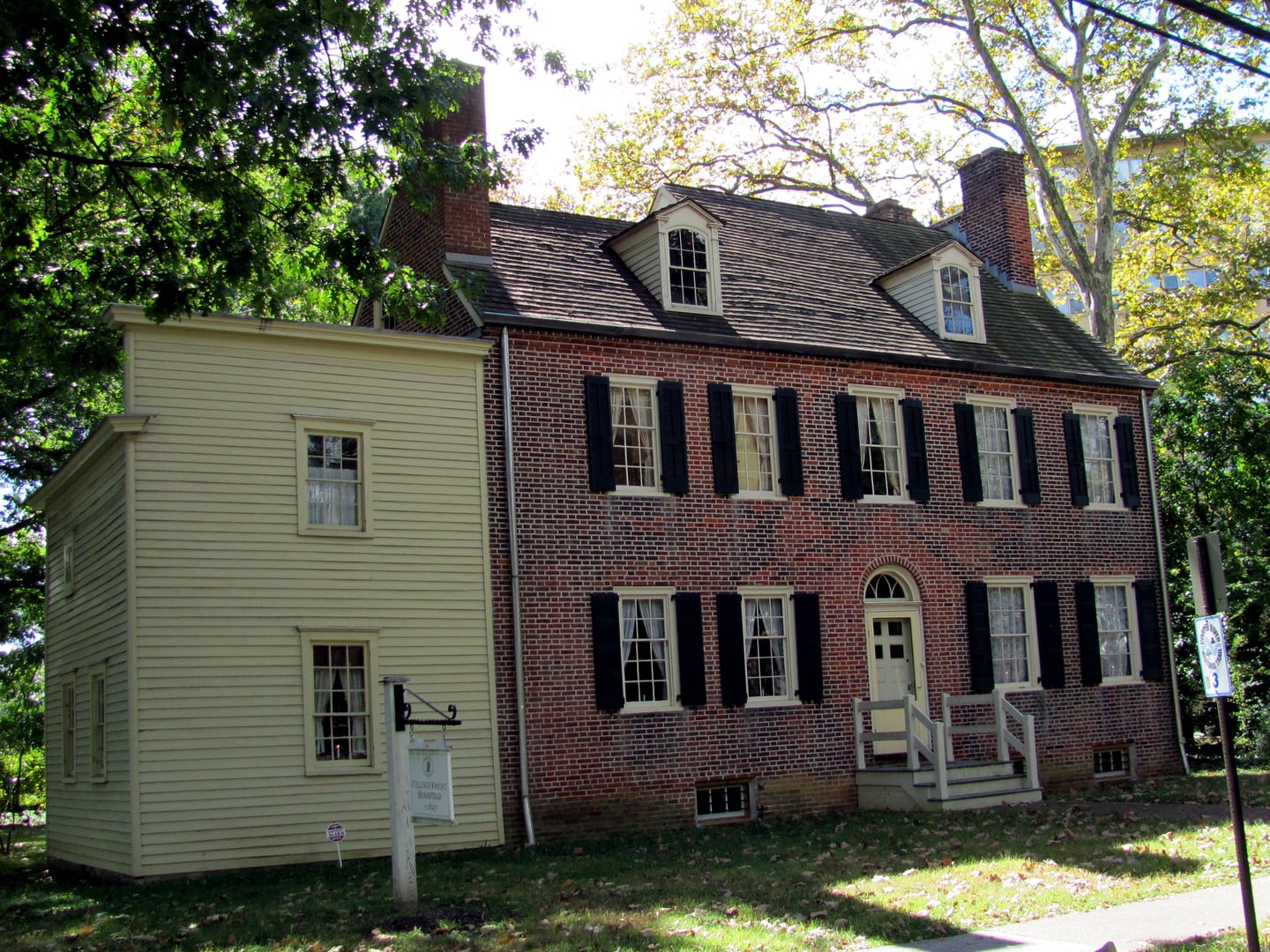
Collingswood, NJ
Edward Zane Collings built this Federal-style house in 1825 on land his family had owned since the early colonial period. The Collings family is the namesake for Collingswood, the Camden County borough in which the house stands. Later occupied by the Knight family, the property eventually came under Borough ownership and is now operated as a house museum documenting the founding families of the Collingswood area.