Est. 1833 · National Historic Landmark · Greek Revival architecture · Methodist educational history · William Gibbons estate
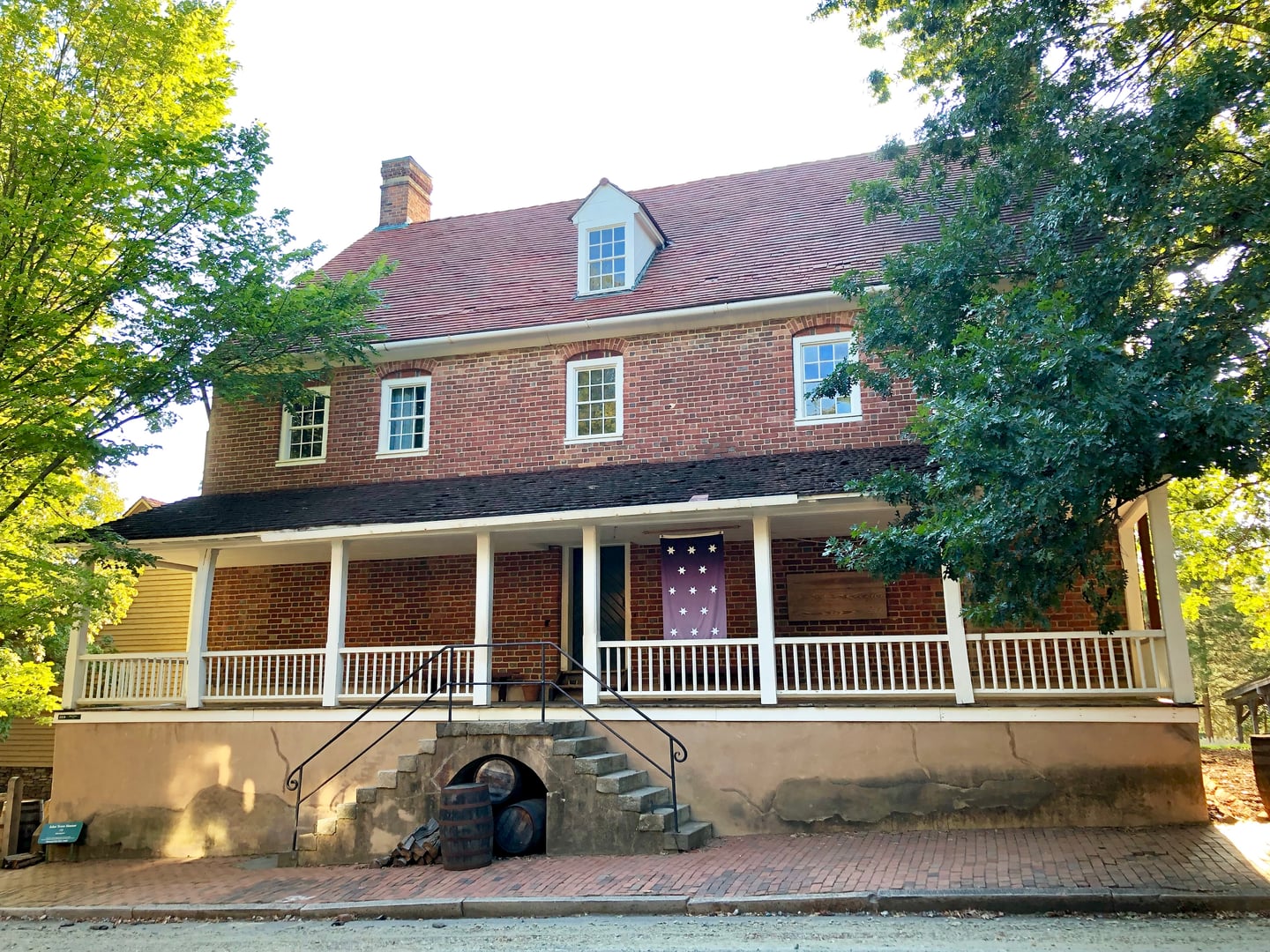
William Gibbons was a wealthy Savannah merchant and plantation owner who acquired land in Madison, New Jersey in the late 1820s and built a Greek Revival country house there in 1833 as a Northern retreat. The estate included stabling for race horses. After Gibbons's death the property passed to his heirs, and after the Civil War it was sold to a Methodist organization looking to establish a graduate theological institution in New Jersey.
Drew Theological Seminary opened on the campus in 1867, using the Gibbons mansion as its central building. The institution honored Roxanna Mead Drew — wife of Daniel Drew, a principal financial benefactor — by naming the mansion Mead Hall. The university has grown to include graduate programs in theology, liberal arts, and the sciences while maintaining its wooded 186-acre campus, which is managed as an arboretum.
Mead Hall was designated a National Historic Landmark in 1966, recognized for its Greek Revival architecture and its role in Methodist educational history. The building remains in active academic use. A 1989 fire caused significant damage to portions of the structure, requiring restoration work. The university maintains Special Collections and Archives holdings that document the campus's history, including the paranormal accounts associated with multiple buildings, which have been incorporated into annual ghost tours since 2016.
Sources
- https://thedrewacorn.com/2023/10/27/drew-yesterday-today-and-tomorrow-how-drew-got-so-haunted/
- https://uknow.drew.edu/confluence/display/DrewHistory/Ghosts
- https://patch.com/new-jersey/madison/drew-university-makes-insider-list-haunted-campuses
- https://drew.edu/
- https://thedrewacorn.com/2022/10/28/haunted-history-comes-to-life-on-archives-ghost-tour/
- https://haunteddrew.com/Sightings
Apparition in flames (1989 fire)Door slammingCold spotsSelf-tilting portraitDisappearing and reappearing objectsPhantom organ musicLights switching on without causeDense moving haze in basement
The most dramatic account at Drew University is attached to the August 1989 Mead Hall fire. A firefighter working the blaze reported seeing a woman in a long white dress standing in a second-floor room. When a second firefighter rushed to the location, no one was there. The account was corroborated by the first responder and has circulated in campus lore ever since as the most specific and time-stamped event in Drew's paranormal record.
Roxanna Mead Drew is credited by campus tradition with several types of activity in her namesake building: doors slamming with force when there is no cross-draft, localized cold spots, and — in the most precisely observed account — a portrait of her in the Founders' Room foyer that tilts back to one side after being straightened, with some observers reporting the sense that her painted eyes follow movement through the space.
The wider campus contributes a category of phenomena that Drew staff call 'the Drew phenomenon' — objects that disappear and reappear in unexpected locations. Documented missing items include socks, cotton balls, earrings, furniture, and paintings. The pattern is consistent enough that staff reference it by name. Seminary Hall adds organ music heard in an empty chapel and lights that switch themselves back on after being turned off. One documented death on campus — electrical worker George Leonard Lose, killed by electrocution in Hoyt-Bowne Hall room 217 in December 1902 — is noted in university archives.
Notable Entities
Roxanna Mead Drew (namesake, reported apparition)George Leonard Lose (electrocuted 1902, room 217 Hoyt-Bowne Hall)
Where this legend is told