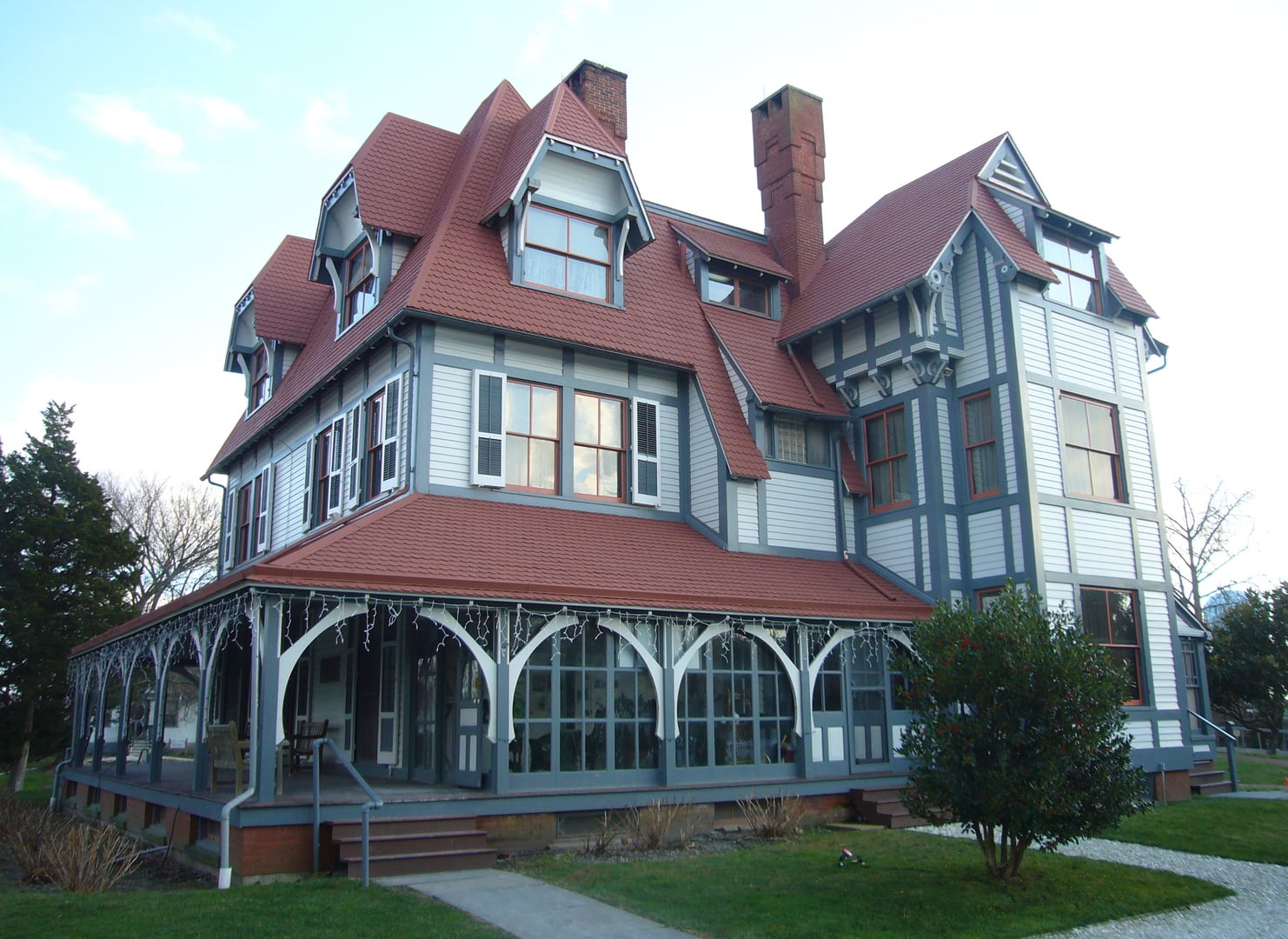
Est. 1752 · Headquarters of General Henry Clinton, the two nights before the Battle of Monmouth (June 26–28, 1778) · National Register of Historic Places — Hankinson–Moreau–Covenhoven House · Operated by the Monmouth County Historical Association since 1973 · One of the best-preserved colonial homes in Monmouth County
The Covenhoven House stands at 150 West Main Street in Freehold, New Jersey, and was built approximately 1752–1753 by William Covenhoven on land that had been in his family since the early eighteenth century. The house represents a transition style blending Dutch and English colonial building traditions, common in Monmouth County in this period, with a central-hall plan, wide-plank floors, and generous room sizes indicating a prosperous farming family.
The building's historical significance is anchored in a two-night stand: June 26 and 27, 1778. British General Sir Henry Clinton, commanding the main British army withdrawing from Philadelphia to New York across New Jersey, established his headquarters at the Covenhoven House for those two nights. The following morning, June 28, Continental forces under General Charles Lee engaged the British column at the Battle of Monmouth — one of the largest engagements of the war in the North. Washington famously rallied the retreating Lee forces and held the field through a punishing summer afternoon. The battle ended inconclusively, but the British completed their withdrawal to New York.
After the Revolution, the Covenhoven family retained the property for several more generations. The Monmouth County Historical Association acquired the house in 1973 and has operated it as a historic house museum since then, restoring and furnishing it to the mid-eighteenth-century period. The house is listed on the National Register of Historic Places as the Hankinson–Moreau–Covenhoven House, reflecting previous ownership by the Hankinson and Moreau families before the Covenhovens.
The house sits within walking distance of the Monmouth Battle Monument and other Revolutionary War sites in Freehold Borough.
Sources
- https://en.wikipedia.org/wiki/Hankinson%E2%80%93Moreau%E2%80%93Covenhoven_House
- https://www.monmouthhistory.org/covenhoven-house
- https://tworivertimes.com/examining-history-and-the-paranormal-with-ghosts-on-the-coast-nj/
Shadow figure moving through the foyer captured on security footage at 12:40 a.m.Piano-like sounds emanating from the empty parlor
The Covenhoven House's paranormal record entered documented territory when Ghosts on the Coast NJ, a regional investigation group, conducted sessions at the property and gained access to the house's security camera archive. Investigators identified footage from 12:40 a.m. showing what appeared to be a shadow figure moving through the foyer, the same entrance area where General Clinton and his staff would have moved during their two nights at the house before Monmouth. The figure passes through frame in a way the investigators described as inconsistent with known light sources or animals.
In a separate session at the same property, members of the team reported hearing sounds resembling a piano playing in the empty parlor. The house's period furnishings include a parlor area typical of the era, though no keyboard instrument is currently on display in that room.
The Two River Times covered the Ghosts on the Coast NJ investigation in a feature article, providing independent journalistic documentation of the claims and the security footage discovery. The investigators have not proposed a specific identity for the shadow figure, though the building's Civil War-adjacent Revolutionary War history naturally draws associations with Clinton's staff. The Monmouth County Historical Association does not promote or endorse the paranormal investigation activity.
Notable Entities
Unidentified shadow figure — investigators have not proposed a specific identity
Where this legend is told