Drive-By
Exterior Viewing
View the seven-story brick building from Canal Street. The building itself is private offices — interior access is not available to the public.
- Duration:
- 20 min
HauntBound archive · catalog record
Reported phenomena, as catalogued
A seven-story 1906 cigar factory in downtown Manchester NH, now Class A offices, said by ghost tour operators to host the spirits of children once associated with the cigar-making trade.
175 Canal Street, Manchester, NH 03101
Research updated May 2026
Age
All Ages
Cost
Free
The building is a private Class A office property. Public access is limited to street viewing or scheduled downtown ghost tours such as Let's Roam's Manchester NH Ghost Tour, which includes the R.G. Sullivan Building as a stop.
Access
Wheelchair OK
Urban downtown sidewalk along Canal Street.
Equipment
Photos OK
Est. 1906 · Major Early-20th-Century Cigar Manufacturer · 1921 photographed employees identified as Cigar Makers International Union members · Seven-Story Industrial Brick Building · 1986 Class A Office Conversion
The R.G. Sullivan 7-20-4 Cigar Factory Building is a seven-story brick industrial building at 175 Canal Street in downtown Manchester, New Hampshire. It was constructed in 1906 by Roger G. Sullivan, a Bradford, New Hampshire native who built one of the most widely distributed brands of ten-cent cigars in the United States.
At its peak the R.G. Sullivan factory employed roughly 400 people and produced about 12 million cigars per year, making it one of the largest cigar manufacturers in the country. A 1921 employee photograph catalogued by the New Hampshire Historical Society states that all pictured workers were members of the Cigar Makers International Union of America. (Earlier in his career Sullivan also operated a smaller West Central Street plant that reportedly employed as many as 800 workers.)
The building survived a fire in 1947 and continued operating until the company was acquired and the factory shut down in 1963, with the closure attributed in part to the difficulty of obtaining Havana tobacco after the Castro government took power in Cuba.
In 1986 the 55,000-square-foot, seven-story building was converted to Class A office space and rebranded as the R.G. Sullivan Cigar Building. It has since changed hands repeatedly — Brady Sullivan Properties sold it to York Cigar Building, LLC for $5.85 million according to a New England Real Estate Journal report — and today it houses multiple tenants across its seven floors. The Sullivan family residence, the Roger Sullivan House, is independently listed on the National Register of Historic Places.
Sources
The R.G. Sullivan Cigar Factory Building's haunted reputation is now documented across three independent tiers: New Hampshire Magazine's statewide roundup of haunted places (a legitimate regional publication), the long-running Shadowlands Haunted Places Index, and the GhostQuest.net New Hampshire directory, supplemented by inclusion in the Let's Roam Manchester NH Ghost Tour route. The recurring paranormal claims across these sources are: disembodied sounds of children crying and laughing on upper floors, occasional apparitions of young children, and doors that slam shut on their own.
New Hampshire Magazine summarizes the lore as: 'The building used to be a cigar factory that used child labor. Supposedly you can still hear children crying and can witness doors closing violently on their own.' The Shadowlands and GhostQuest entries cover the same claims with similar phrasing, suggesting a common oral-tradition origin in Manchester.
The traditional framing connects these reports to the claim that the early cigar industry employed child labor. HauntBound has not been able to independently corroborate child-employment specific to the R.G. Sullivan plant in mainstream historical sources — surviving Library of Congress and New Hampshire Historical Society photographs show adult unionized workers (the 1921 photograph catalogued by the New Hampshire Historical Society identifies all pictured workers as Cigar Makers International Union of America members) — so this causal link is best understood as a folkloric framing of the haunting rather than verified history.
The building is now Class A office space owned by York Cigar Building, LLC, and the haunted reports come primarily from former tenants and ghost-tour attendees. Visitors interested in the lore typically experience the building through the Let's Roam Manchester NH Ghost Tour, which includes it alongside the Millyard Museum, the Palace Theatre, the Hanover Street Market, and Elliot Hospital.
Notable Entities
Media Appearances
View the seven-story brick building from Canal Street. The building itself is private offices — interior access is not available to the public.
Some links on this page may earn HauntBound a small commission when you book, at no extra cost to you. Our editorial picks are independent. Full disclosure
Every HauntBound history is researched from documented sources. We clearly separate verified historical fact from paranormal folklore.
Free Guide
Verified stops across all fifty states, rated for families. Free.
One email to confirm, then the guide link. Unsubscribe anytime.
Dover, NH
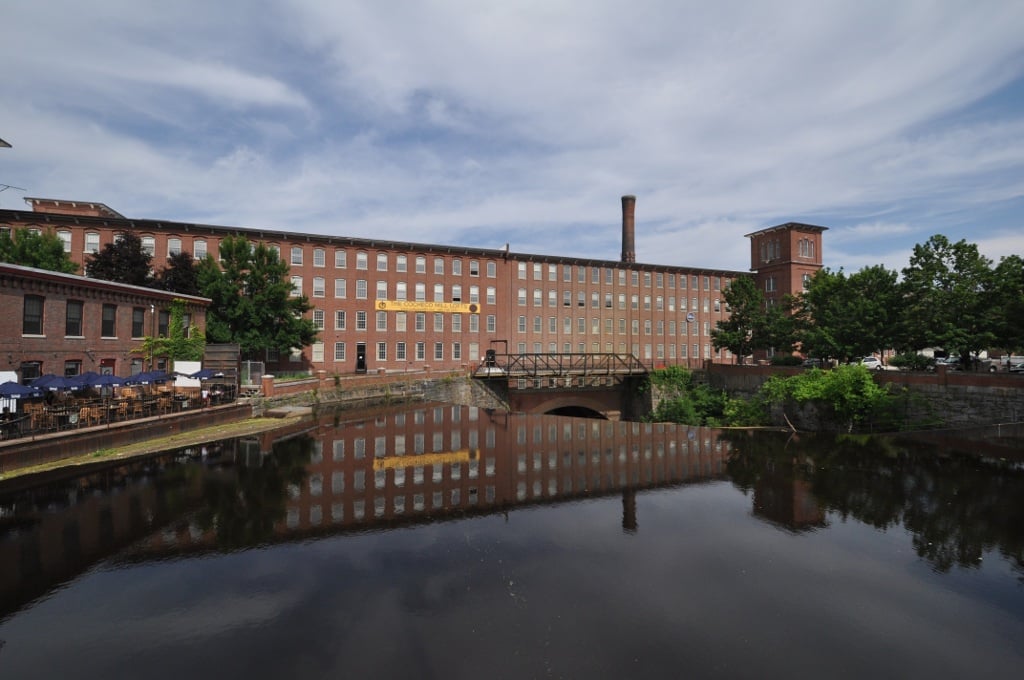
The Dover Mills grew from the Dover Cotton Factory, founded in 1812 on the Cocheco River, which became the Cocheco Manufacturing Company. On January 26, 1907, a fire broke out in Mill No. 1, where the sprinkler system was under repair; four workers died and the building was a million-dollar loss. The complex was rebuilt in 1908 and has since been restored as mixed-use offices and apartments.
Pocatello, ID
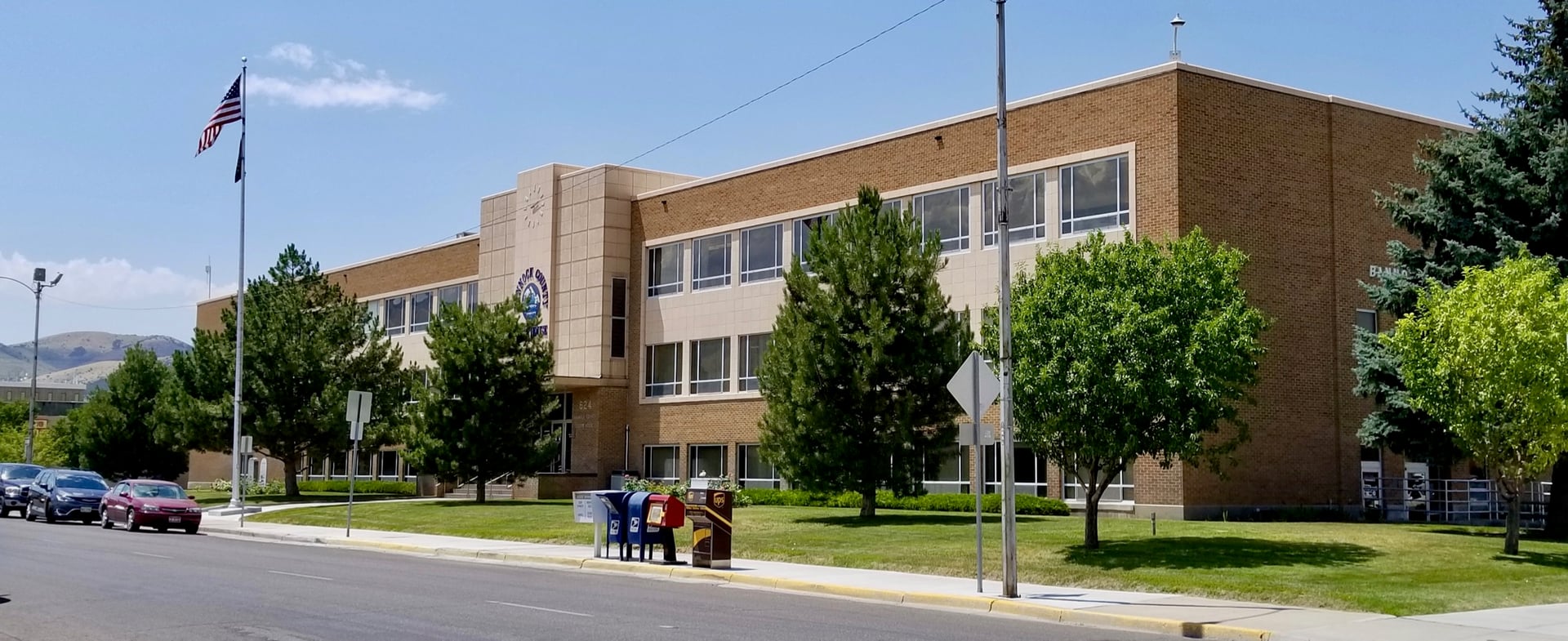
The Bannock County Courthouse anchors downtown Pocatello as the seat of county government for Bannock County. The building's paranormal reputation comes chiefly from a dedicated chapter in John Brian's 'Ghosts of Pocatello,' published by The History Press in 2013.
Houston, TX
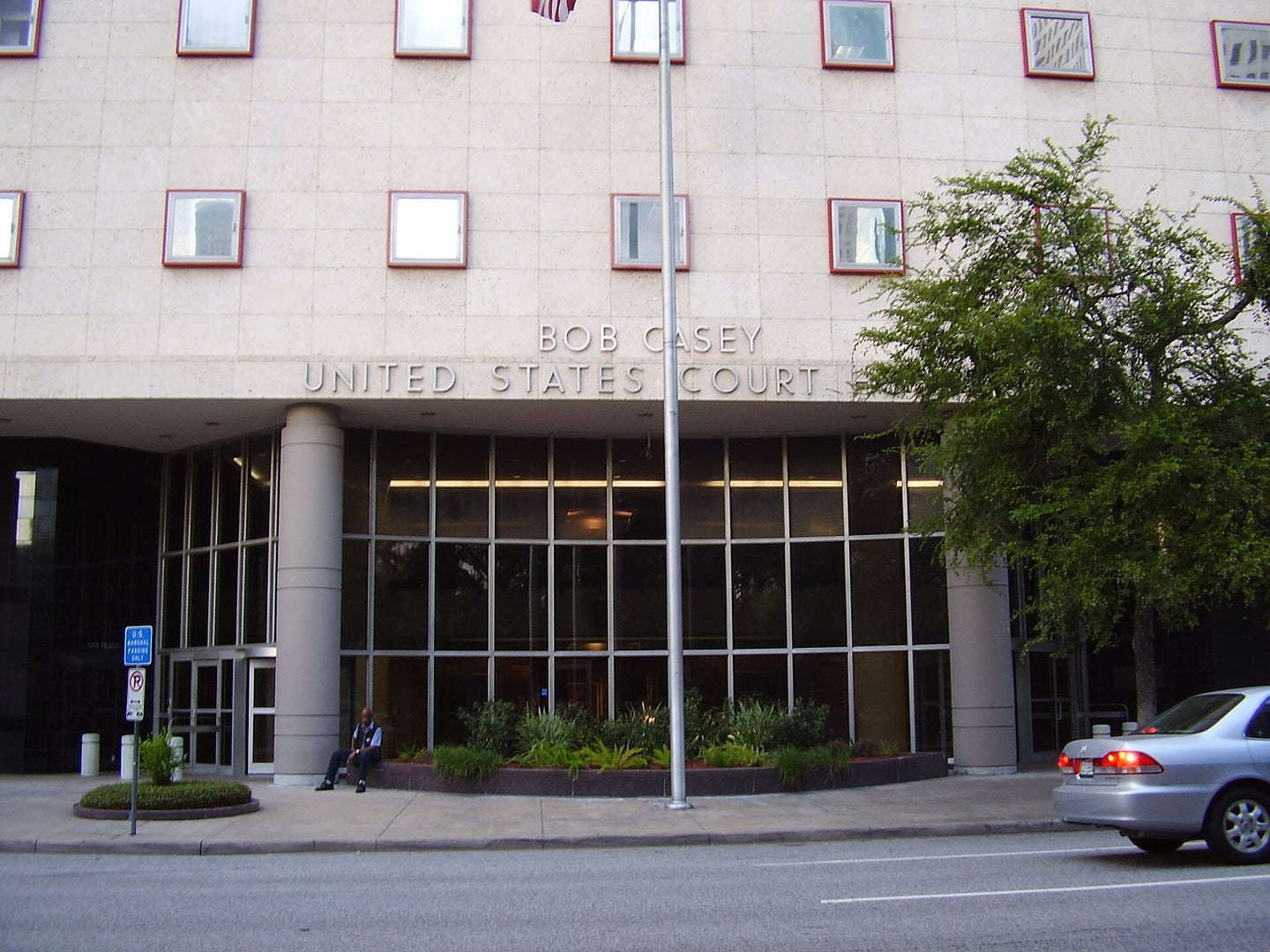
The Bob Casey Federal Courthouse at 515 Rusk Street in Houston has served as the seat of the Southern District of Texas since 1962. Named after U.S. Representative Robert R. Casey, the building houses six New Deal-era murals painted by Jerry Bywaters and Alexandre Hogue in 1941, depicting the Houston Ship Channel — works rediscovered in 1976 after decades in storage.