Dinner
Dine in a Former Jail Cell
Enjoy a meal in the only Margaritas location with seating inside genuine 19th-century jail cells, in Concord's former police headquarters — a building with a resident-ghost reputation.
- Duration:
- 1.5 hr
HauntBound archive · catalog record
Reported phenomena, as catalogued
+ 1 further entry on record
A Concord, New Hampshire Mexican restaurant set in the city's former 1890s police headquarters and jail, where diners eat inside preserved cell blocks and staff blame a resident ghost named 'George' for moving objects and stealing drinks.
1 Bicentennial Square, Concord, NH 03301
Research updated May 2026
Age
All Ages
Cost
$$
Standard sit-down restaurant pricing; some seating is inside the original jail cells.
Access
Wheelchair OK
Downtown restaurant in a converted historic municipal building.
Equipment
Photos OK
Est. 1890 · Former Concord, NH police headquarters and jail (1890-1975) · Preserved 19th-century jail cells now used as restaurant seating · Only Margaritas location with in-cell dining
The structure at 1 Bicentennial Square in downtown Concord was built to house the Concord Police Department, serving as the city's police headquarters and jail from 1890 until 1975. Individuals under arrest were locked in its cells during those decades, making the building a center of Concord's law-enforcement history for nearly a century.
After the police department relocated, the building was eventually adapted for commercial use and became home to a Margaritas Mexican Restaurant. Rather than demolishing the cell block, the restaurant preserved the original iron-barred jail cells, placing tables inside them and along the cell hallways. It is the only location in the Margaritas chain where customers can be seated inside actual jail cells with the bars open, a distinctive feature that has made the restaurant a downtown landmark.
The building's dual identity — historic municipal jail and modern restaurant — is the foundation of both its appeal and its ghost lore, drawing visitors interested in the structure's past as much as its menu.
Sources
Local legend holds that the former Concord jail is haunted by a spirit the staff have nicknamed 'George.' According to Atlas Obscura and regional outlets, George is described as a mischievous but harmless presence: servers and customers report seeing glasses and chairs move on their own, place settings rearranged, food thrown, and unattended beverages mysteriously drained. Staff also describe hearing disembodied voices throughout the restaurant after closing.
The building's century as a working police jail gives the lore a natural anchor, and the restaurant has leaned into its reputation. Paranormal investigators, including a regional paranormal research group, have visited in search of evidence. While the identity of 'George' is folkloric rather than tied to a documented individual, the haunting tradition is consistently reported across multiple independent sources and is reinforced by the genuinely preserved jail-cell environment in which guests dine.
Notable Entities
Enjoy a meal in the only Margaritas location with seating inside genuine 19th-century jail cells, in Concord's former police headquarters — a building with a resident-ghost reputation.
Some links on this page may earn HauntBound a small commission when you book, at no extra cost to you. Our editorial picks are independent. Full disclosure
Every HauntBound history is researched from documented sources. We clearly separate verified historical fact from paranormal folklore.
Free Guide
Verified stops across all fifty states, rated for families. Free.
One email to confirm, then the guide link. Unsubscribe anytime.
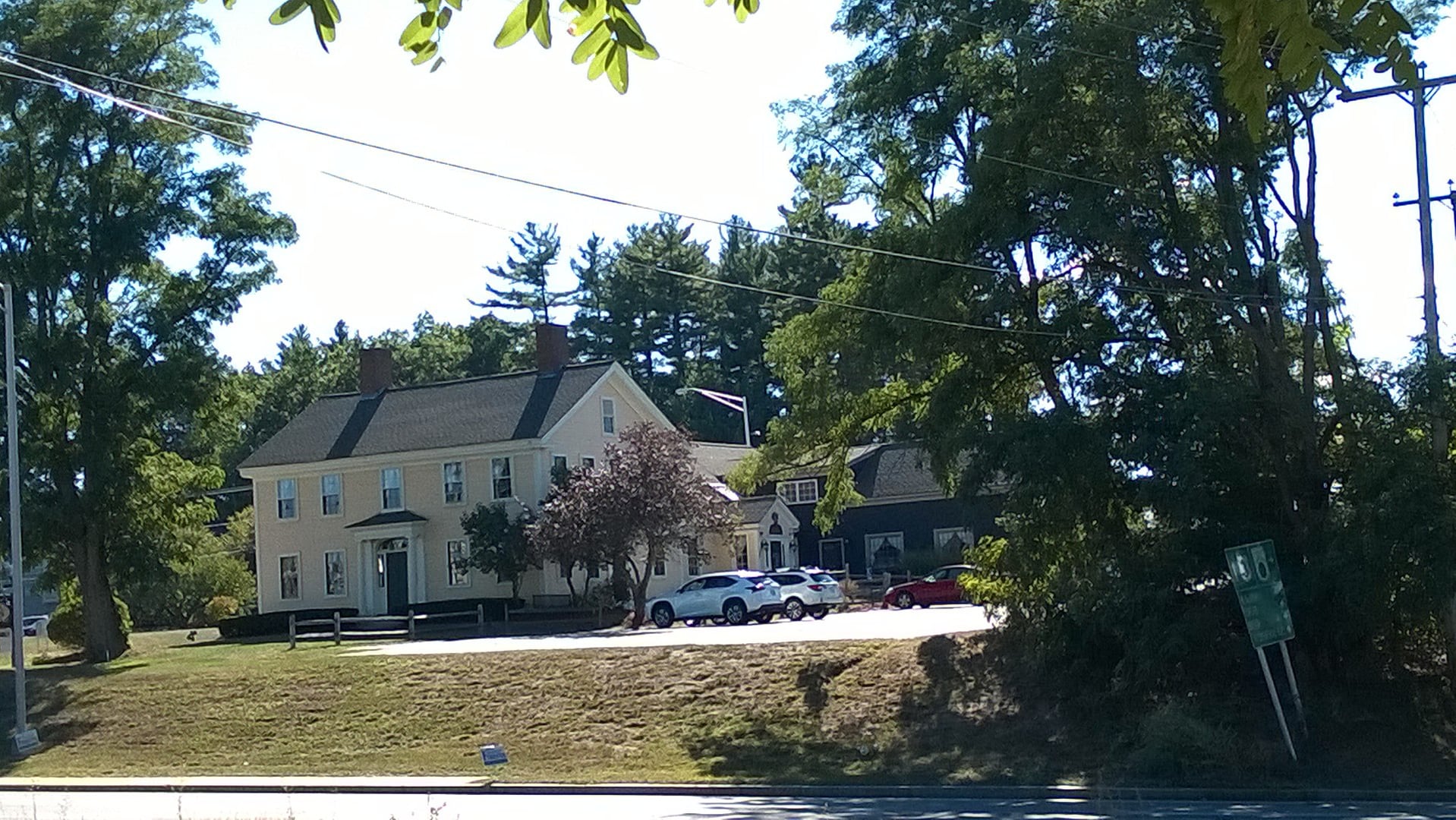
Merrimack, NH
The building at 304 Daniel Webster Highway in Merrimack, New Hampshire began as the home of Edward Goldstone Lutwyche, a Loyalist whose property was seized during the American Revolution. Dr. Matthew Thornton, a New Hampshire signer of the Declaration of Independence, purchased the confiscated estate at auction and later passed it to his son James, who operated it as a tavern. James Thornton died by suicide in 1817 — the Farmer's Cabinet reported his death on July 5 of that year — and the building has changed hands and names several times since.
Auburn, AL
The depot site in downtown Auburn has been used since 1847, when the first train station was built to serve the Montgomery & West Point Railroad. The original depot was destroyed by Union cavalry under General Rousseau in 1864; a second depot burned after a lightning strike. The current building, erected in 1904, sold its last train ticket in 1970 and sat largely vacant until a thorough restoration transformed it into a fine-dining restaurant that opened in 2015.
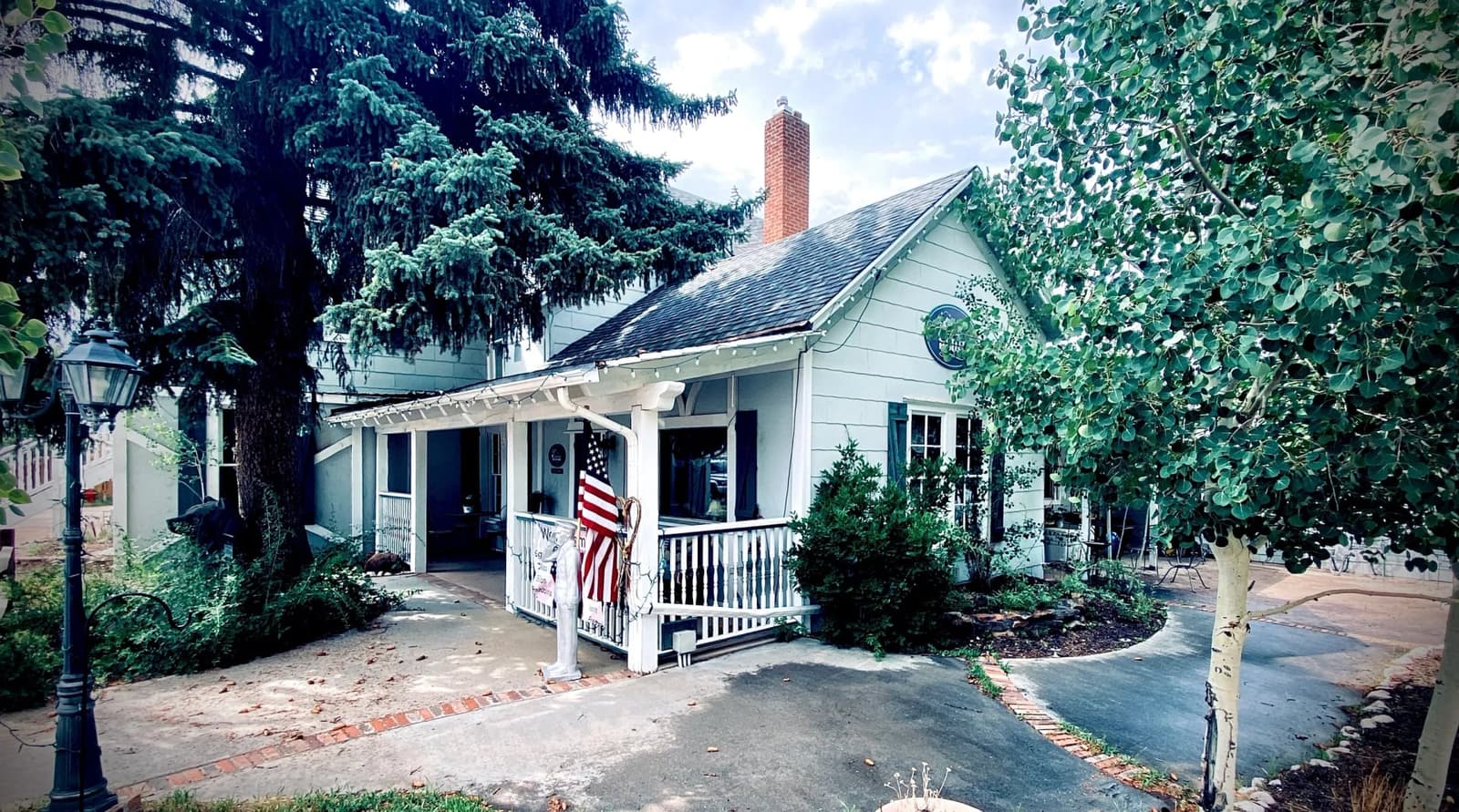
Florissant, CO
The building at 2679 US Hwy 24 in Florissant was constructed in 1886 and served as the private residence of James Castello and his wife Catherine Hughes Castello. James died in the home. Catherine died from burns after her dress caught fire. At least two of their children — Frank's son and daughter — also died in Florissant as young children. The building has operated as the Costello Coffee House for many years.