Est. 1758 · Built 1758 by sea captain Gregory Purcell · John Paul Jones boarded here in 1777 and again 1781-82 · Operated as a museum by the Portsmouth Historical Society since 1920 · National Historic Landmark (designated 1972)
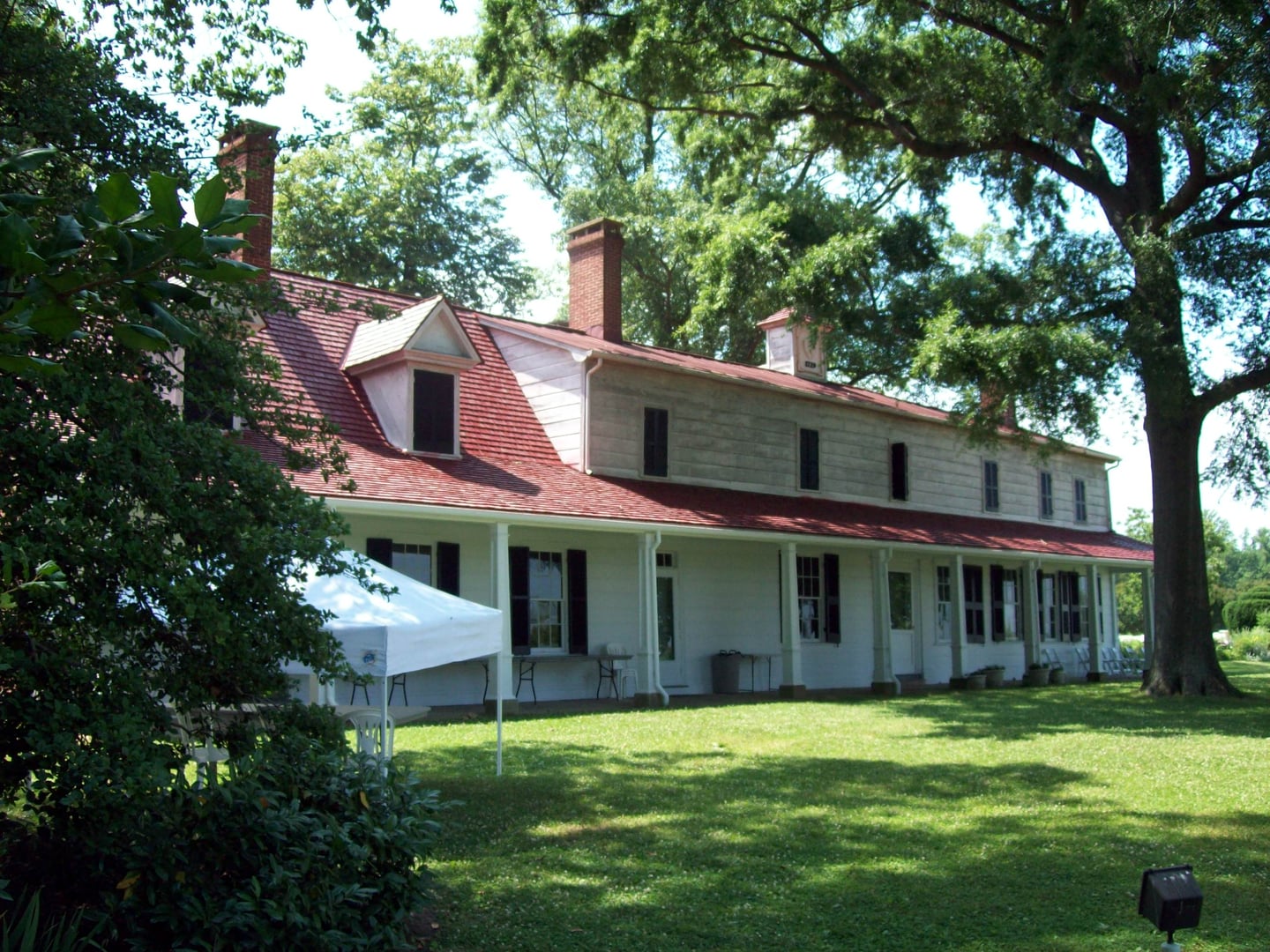
The John Paul Jones House at 43 Middle Street in Portsmouth, New Hampshire was built in 1758 by Gregory Purcell, a sea captain and merchant. After Purcell's death his widow operated the Georgian house as a boarding establishment, and it is in that period that the building gained the name it carries today.
John Paul Jones, the Scottish-born commander who became one of the most celebrated naval officers of the American Revolution, lodged in the house twice. He boarded there in 1777 and again in 1781-82 while supervising the fitting-out of warships being built on the Piscataqua, including the ship America. He did not own the house; he was a tenant of the widow Purcell during those assignments.
The house passed through later owners and uses, and in 1920 the Portsmouth Historical Society acquired it and opened it as a museum. The Society furnishes the rooms with period collections and interprets both the Purcell family's life and Jones's wartime stays.
The building was listed on the National Register of Historic Places and designated a National Historic Landmark in 1972. It opens seasonally for guided tours from late spring through October and remains one of the anchor sites of Portsmouth's preserved colonial waterfront district.
Sources
- https://portsmouthhistory.org/jpj/
- https://en.wikipedia.org/wiki/John_Paul_Jones_House
- https://www.nhpr.org/post/radio-field-trip-exploring-portsmouths-haunted-history
- https://ghost.hauntedhouses.com/new_hampshire_portsmouth_john_paul_jones_house
Apparition in 19th-century dress from the atticFigures in windowsObject movementPhantom voicesCold spotsPhantom smell of pipe tobacco
The John Paul Jones House carries one of Portsmouth's better-known haunting reputations, repeated in local press and in regional ghost-lore writing. The signature account is an attic apparition: visitors over the years have described someone in 19th-century finery stepping out of the attic, walking into a room, and vanishing.
The Soul Seekers Paranormal Society catalogued a broader set of reports at the museum, including figures seen in the windows, lights turning on and off, objects moving or being thrown, disembodied voices, cold spots, and the smell of pipe tobacco where no one is smoking. The Manchester Union Leader's survey of New Hampshire haunted places lists the house among the state's better-documented sites for these accounts.
The author and investigator Thomas D'Agostino, in 'Haunted New Hampshire,' records a paranormal group reporting EVP and flashlight-style responses while attempting to communicate with a presence they associated with John Paul Jones's former rented room. The Portsmouth Historical Society presents the building first as a history museum, and these stories circulate alongside its documented colonial record rather than as the museum's official narrative.
Notable Entities
Attic apparition in period dress (unidentified)
Where this legend is told