Hollis Colonial-Era Town Cemetery · Abel Blood Marker · Hillsborough County Heritage Site
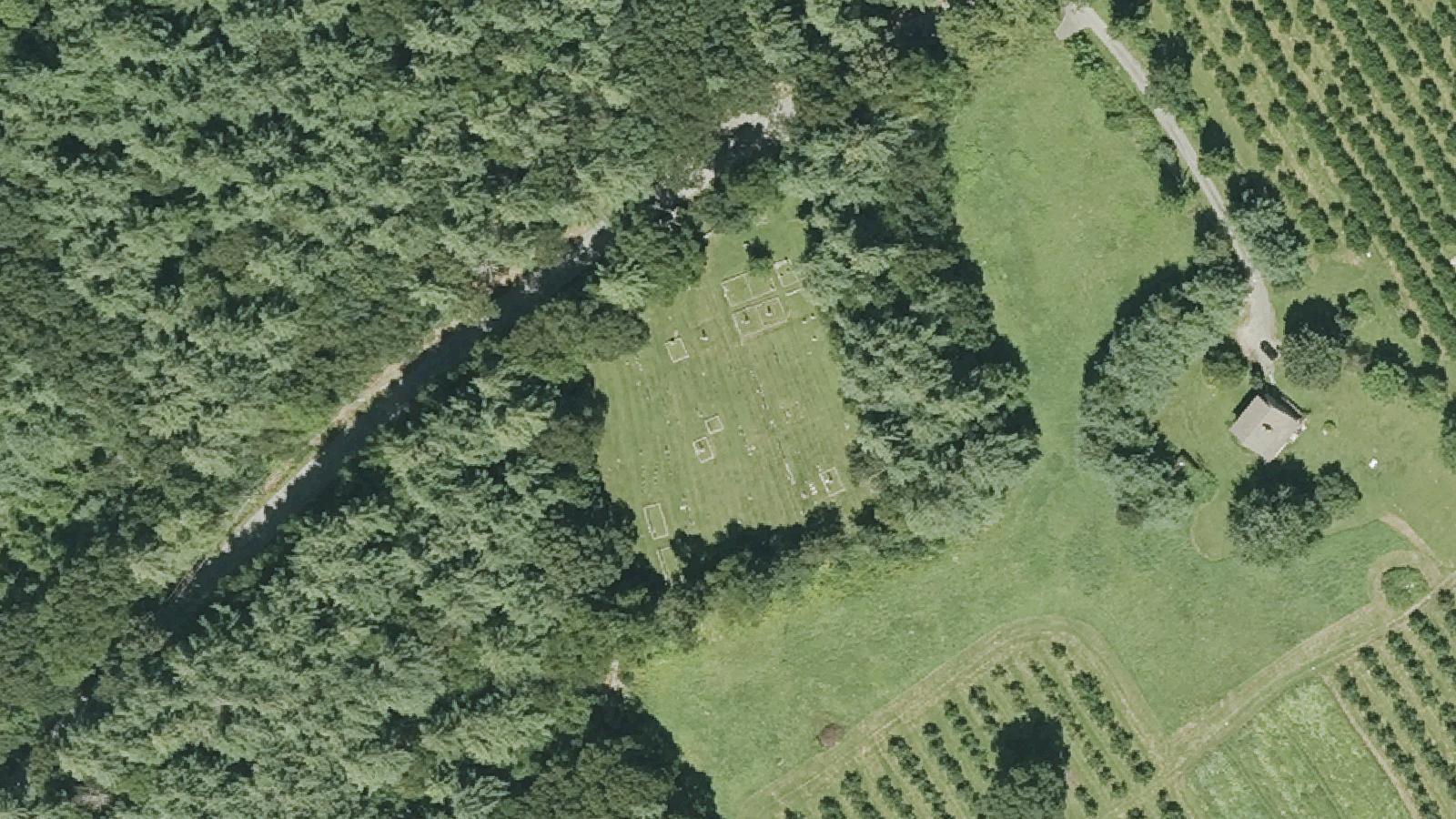
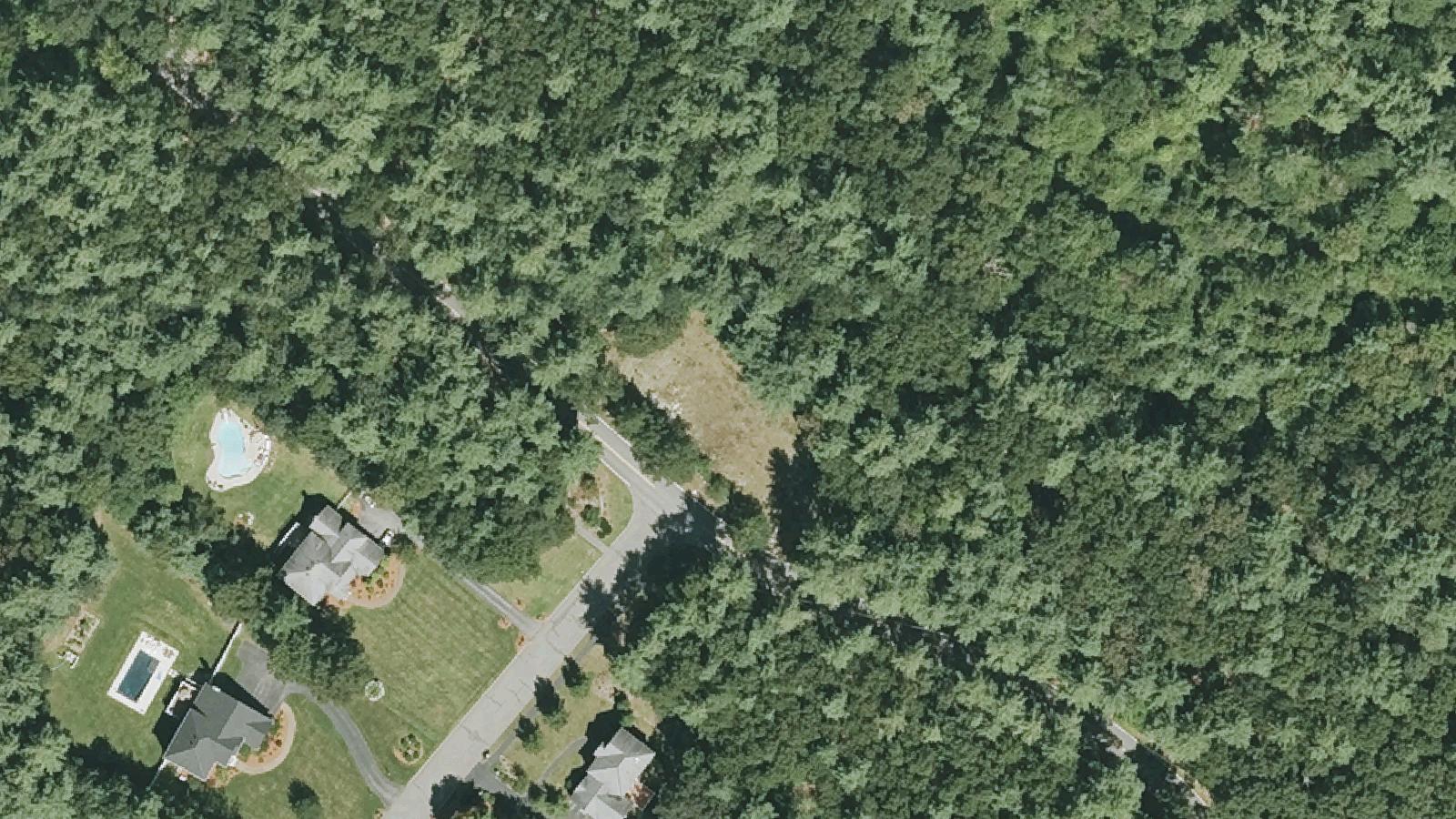
Pine Hill Cemetery sits on the south side of Pine Hill Road in Hollis, a small town in southern New Hampshire near the Massachusetts state line. The cemetery was acquired by the Town of Hollis in 1769 and contains eighteenth- and nineteenth-century burials reflecting the original colonial families of Hollis. The Blood family plot is the cemetery's most-photographed feature.
Abel Blood, identified in regional sources as a nineteenth-century Christian philanthropist, was buried in the cemetery in 1867. His headstone became the focus of the cemetery's enduring folklore in part because of the family surname and in part because of an unusual carved finger on the marker. The original Blood headstone has been broken by vandalism and is no longer on site; the town has used replacement and reinforced markers and now monitors the cemetery closely. Hollis police pay particular attention to the cemetery around Halloween.
Sources
- https://www.ghostsofnewengland.com/blood-cemetery-pine-hill-cemetery/
- https://www.nhmagazine.com/spooky-stuff-blood-cemetery/
- https://hollowhill.com/abel-blood-pine-hill-cemetery/
- https://nhtourguide.com/wp/places/hollis/blood-cemetery-a-terrifying-paranormal-investigation-2/
- https://beyondhaunted.com/new-hampshire/pine-hill-cemetery
ApparitionsShadow figuresCold spotsEquipment malfunctionBattery drainPhantom footsteps
Local tradition holds that Pine Hill Cemetery, better known regionally as Blood Cemetery, supports two intertwined strands of folklore. The first concerns a small figure sometimes reported along Pine Hill Road outside the cemetery, said to flag down passing vehicles for help and to vanish when drivers pull over. The narrative is consistent with the wider American vanishing-hitchhiker family of road-legend tropes and has no documented historical event behind it. A reader-submitted listing on the Shadowlands Haunted Places Index attaches a more dramatic backstory of a home invasion and a fleeing child shot in the road, but no New Hampshire newspaper archive or town-history record is known to support that account; it stands as folklore.
The second strand concerns the Abel Blood marker itself. The marker's carved hand pointed upward, an iconographically common nineteenth-century funerary symbol indicating the deceased's hoped-for direction. The folklore says the hand rotates downward after dark. The original marker was repeatedly vandalized and is no longer at the site; recent replacement markers have not reproduced the original carving in detail. Visitors have also reported intermittent camera and battery problems within the cemetery gates, an unexpected drop in temperature near the Blood plot, and the muted sound of footsteps along the inside of the perimeter wall.
The cemetery has been at the center of long-running tension between dark-tourism interest and the town's responsibility for an active burial ground. Hollis closes the cemetery at dusk, monitors the site around Halloween, and enforces no-trespassing rules. Visitors interested in the lore should come in daylight, treat the burial ground with respect, and not approach surviving family markers.
Notable Entities
The Roadside ChildAbel Blood