Self-Guided Visit
Self-Guided Ranch Visit
Walk the grounds of a preserved open-range cattle ranch, with the visitor center, historic barns, ranch equipment, and trails. The National Park Service runs the site free of charge.
- Duration:
- 2 hr
HauntBound archive · catalog record
Reported phenomena, as catalogued
A preserved 19th-century cattle ranch where rangers report a scent of lavender
266 Warren Ln, Deer Lodge, MT 59722
Research updated August 2026
Age
All Ages
Cost
Free
Free admission; the site is operated by the National Park Service. Ranger-led tours of the historic ranch house are first-come, first-served.
Access
Wheelchair OK
Working historic ranch with a visitor center, ranch house, barns, and trails over open ground; some buildings have stairs
Equipment
Photos OK
Est. 1862 · Open-Range Cattle Era · Conrad Kohrs Cattle Operation · National Historic Site (authorized 1972)
The ranch began in 1862 when Canadian trader Johnny Grant settled in the Deer Lodge Valley and built a home and cattle herd. In August 1866, German-born Conrad Kohrs purchased the property for $19,200 and made it the headquarters of an open-range cattle empire. At its height the operation ran tens of thousands of head across grazing land spanning parts of several states and territories.
Kohrs, later called Montana's Cattle King, expanded the ranch house and weathered the catastrophic winter of 1886-1887 that wiped out many western herds. His wife, Augusta Kohrs, ran the household at the ranch for decades, and the home retains family furnishings tied to her time there. The family held the property well into the 20th century.
The ranch was authorized as Grant-Kohrs Ranch National Historic Site in 1972 to preserve the story of the open-range cattle era. The National Park Service operates it today as a living-history site, with original buildings, ranch equipment, and demonstrations of period ranch work. Admission is free.
Sources
The accounts at Grant-Kohrs come largely from the people who work the site. One frequently repeated story belongs to a longtime ranger who, after an exhausting stretch of shifts, sat on the stairs of the old ranch house feeling overwhelmed and noticed a strong scent of lavender, the same faint scent found in the drawers of Augusta Kohrs' dresser. Augusta, the rancher's wife who ran the ranch household for decades, described the scent as calming.
Other reports gathered through regional storytelling include a security alarm that triggers with no cause, a child's voice heard in empty rooms, and an unexplained handprint that appeared on a mirror. A separate ranger account describes finding a normally padlocked door chained open one Halloween and hearing voices, like ranch hands, in a grain-storage area that turned out to be empty.
The ranch does not market itself as haunted; it is a National Park Service history site. The stories survive as staff and visitor anecdotes rather than promoted programming, which is part of why they are often retold without embellishment.
Notable Entities
Walk the grounds of a preserved open-range cattle ranch, with the visitor center, historic barns, ranch equipment, and trails. The National Park Service runs the site free of charge.
A ranger-led tour of the historic Kohrs ranch house, which retains original family furnishings. Tours are first-come, first-served and limited in group size; check at the visitor center for the day's schedule.
Some links on this page may earn HauntBound a small commission when you book, at no extra cost to you. Our editorial picks are independent. Full disclosure
Every HauntBound history is researched from documented sources. We clearly separate verified historical fact from paranormal folklore.
Free Guide
10 verified stops, rated for families, mapped in order. Free.
One email to confirm, then the guide link. Unsubscribe anytime.
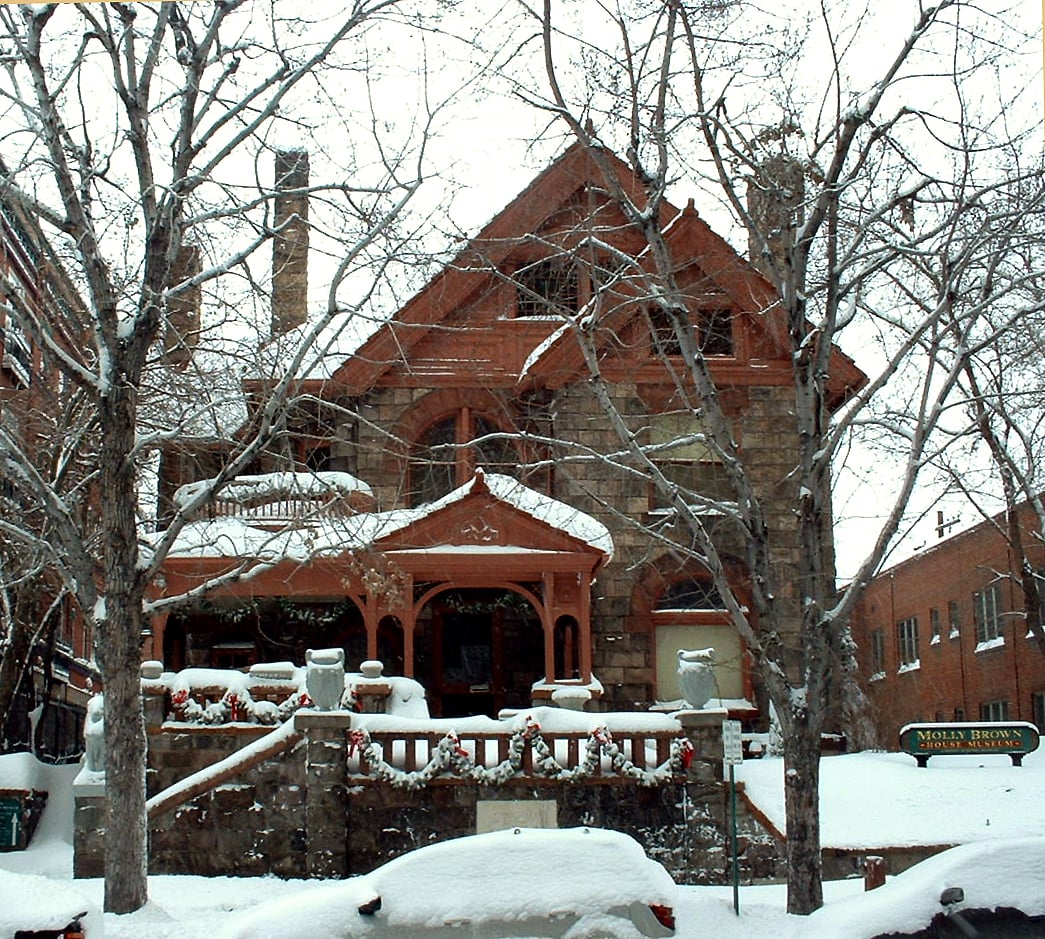
Denver, CO
The Molly Brown House in Denver was the home of philanthropist and Titanic survivor Margaret Brown from 1894 until her death in 1932. Designed by architect William A. Lang in 1889 in a mixed Queen Anne and Richardsonian Romanesque style, the house has operated as a museum under Historic Denver Inc. since 1971 after a public campaign saved it from demolition.
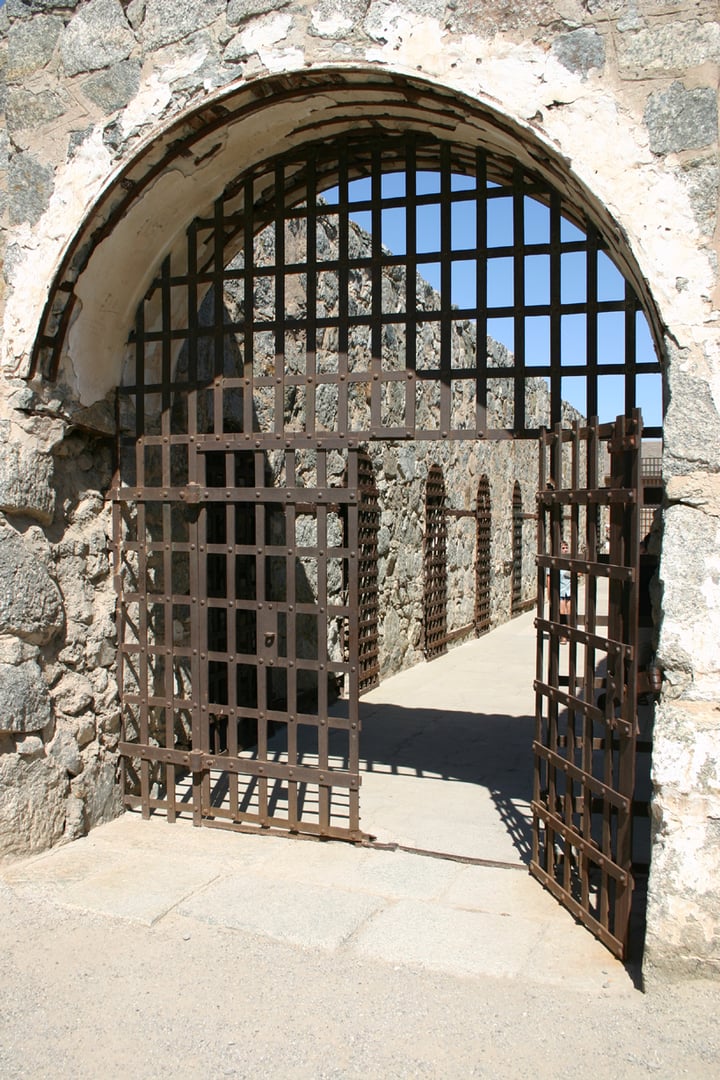
Yuma, AZ
Yuma Territorial Prison operated from 1876 to 1909 on a bluff overlooking the Colorado River in Yuma, Arizona. It held 3,069 prisoners during its 33-year operation, including 29 women. The facility became a state historic park and has been voted by USA Today readers as the Best Haunted Destination in the nation.
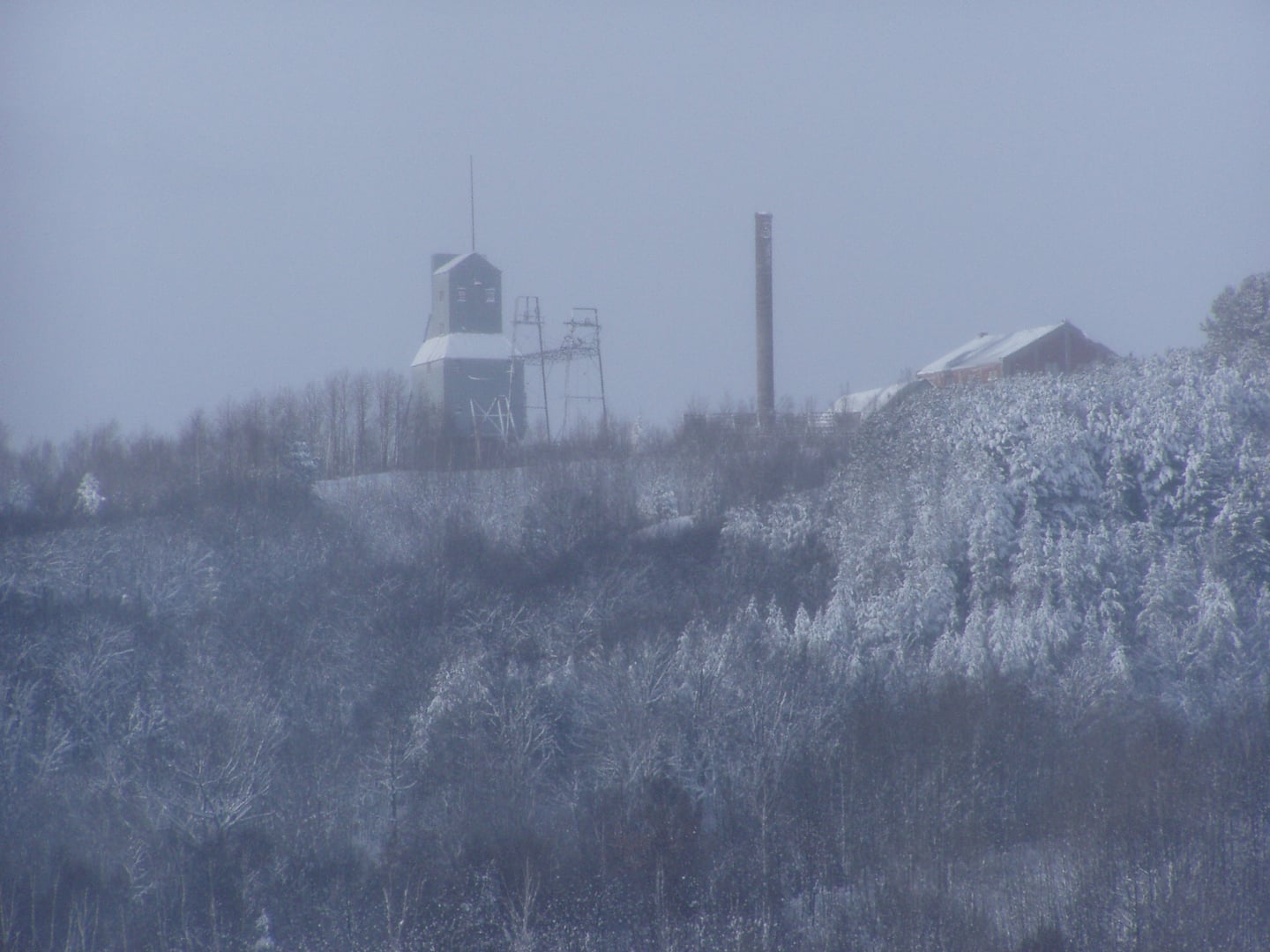
Hancock, MI
The Quincy Mining Company began extracting copper from the Keweenaw Peninsula in 1846 and operated continuously until 1945, producing nearly a billion pounds of copper. During that period, 253 workers died in documented underground accidents. At its deepest, the mine reached 9,000 feet — the deepest copper mine in the world at the time — and its No. 2 shaft hoist house is a National Historic Landmark.