Est. 1895 · BLM-Managed Historic Site · Montana Gold Rush · Industrial Archaeology
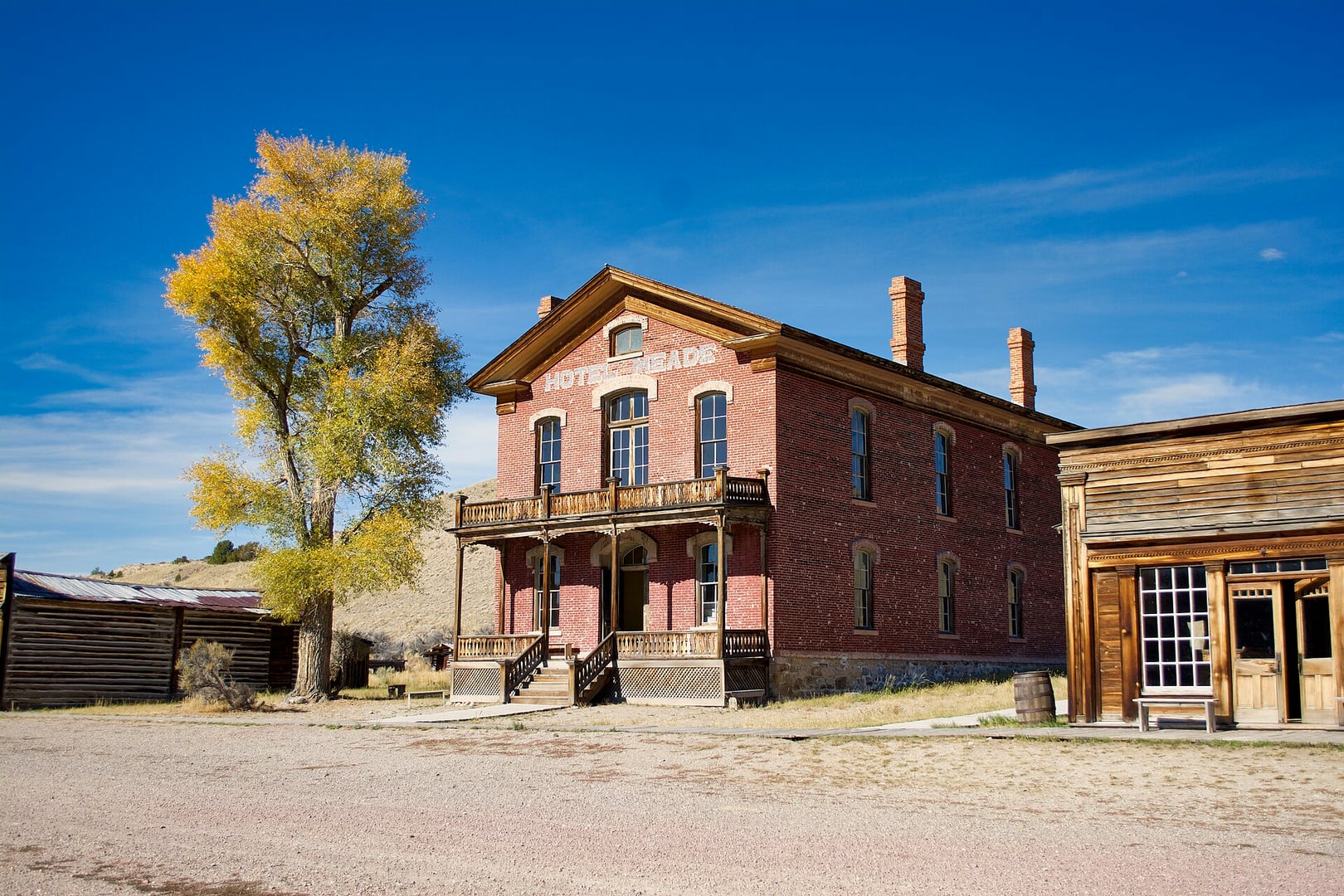
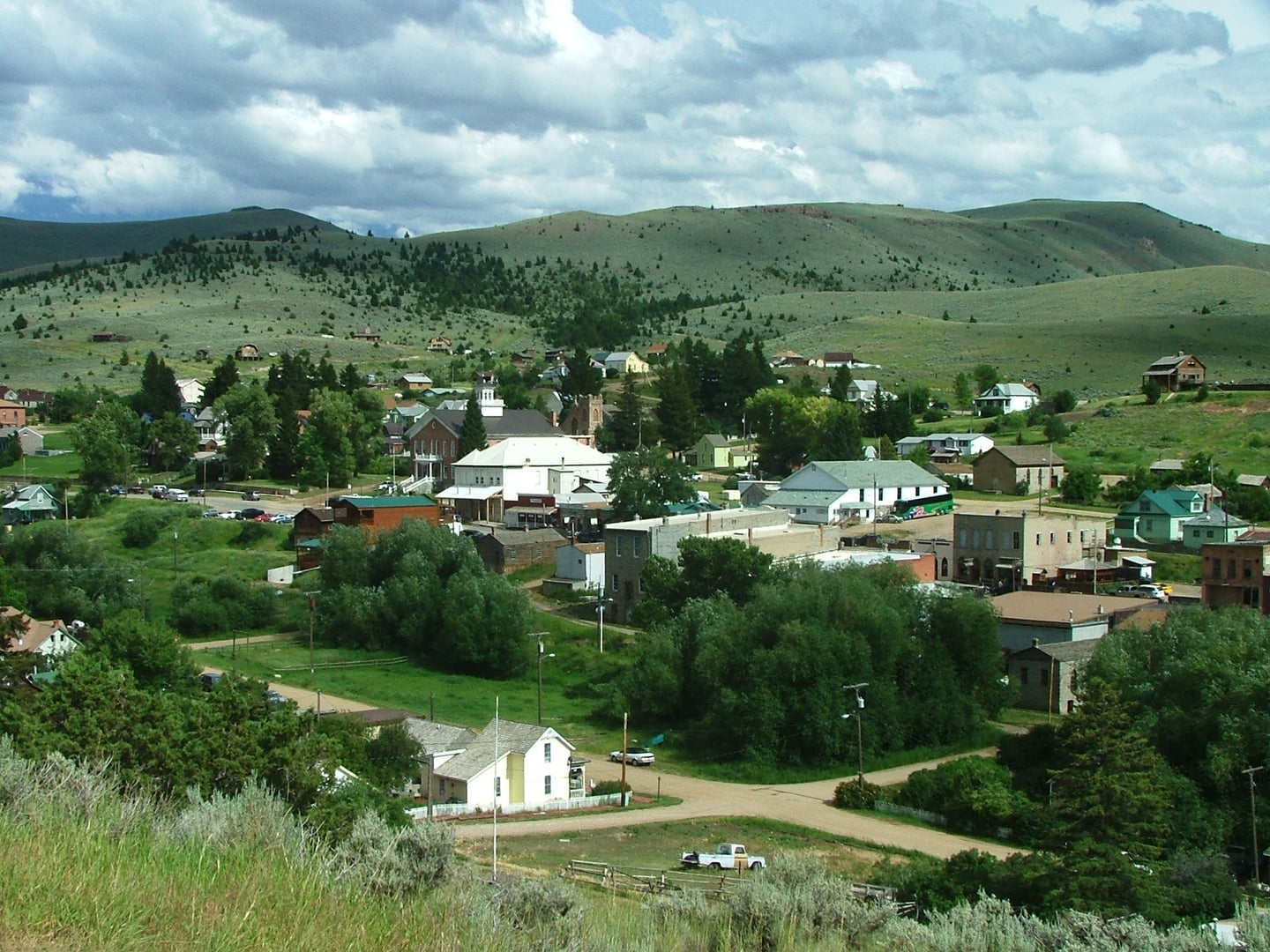
Garnet grew quickly after placer and lode gold strikes drew miners to the Garnet Mountains in the early 1890s. By 1898 the town housed close to a thousand people and supported four stores, seven hotels, three livery stables, two barbershops, a union hall, butcher shop, candy shop, drugstore, doctor's office, assay office, thirteen saloons, and a school. The cluster of frame buildings, many built quickly with milled lumber from nearby sawmills, sat at roughly 6,000 feet elevation in the steep timber.
The boom was short. Easily reached ore was largely worked out by 1905, and a fire in 1912 destroyed several central buildings. By 1917 most residents had moved on. A brief revival during the Depression — when relief programs paid bonuses on small-scale placer recoveries — left some structures standing into the 1940s.
In 1971 the Bureau of Land Management took over preservation of the townsite. Working with the volunteer Garnet Preservation Association, the BLM has stabilized roughly thirty buildings under a policy of arrested decay: structures are kept upright and weather-tight, but interiors are left largely as they were found. The site receives about 24,000 visitors annually and is the largest publicly-managed ghost town in BLM's western inventory.
Sources
- https://www.blm.gov/visit/garnet-ghost-town
- https://www.garnetghosttown.org/
- https://southwestmt.com/blog/montanas-garnet-ghost-town/
- https://www.umt.edu/this-is-montana/columns/stories/garnet-ghost-town.jpg.php
- https://www.legendsofamerica.com/mt-garnet/
Phantom soundsDisembodied laughterPhantom voicesApparitions
Garnet's reputation as a residually active site is built largely on overnight winter accounts. The BLM rents two historic cabins on the townsite in the cold months; renters reach the site by snowmobile, ski, or snowshoe and frequently file informal accounts of music, conversation, and the sound of boots on wooden floors coming from the empty saloon and hotel after dark.
Kelley's Saloon is the most-cited building. Visitors describe piano notes and laughter drifting from the closed building, sometimes during heavy snowfall when no other tracks lead in or out. Staff and volunteers have reported similar accounts during after-hours rounds. None of these reports have been the subject of a formal paranormal investigation; the BLM treats them as folklore and incorporates them in seasonal interpretive programming.