Est. 1871 · 1662 Iroquois-Ojibwe Battle Site · Soo Locks Approach Light · National Register of Historic Places · Hiawatha National Forest
The cape known to the Ojibwe as Nadouenigoning, from the words for Iroquois and bone, was the site of a 1662 conflict in which an Iroquois war party traveling west into Anishinaabe territory was decisively defeated. The English name Point Iroquois translates the Ojibwe place name and commemorates the same event.
A lighthouse was first built on the point in 1855, with its light exhibited from September 20, 1857. It marked the southern approach to the St. Marys River and what was rapidly becoming one of the busiest shipping lanes on earth as the Soo Locks opened the upper Great Lakes to industrial commerce.
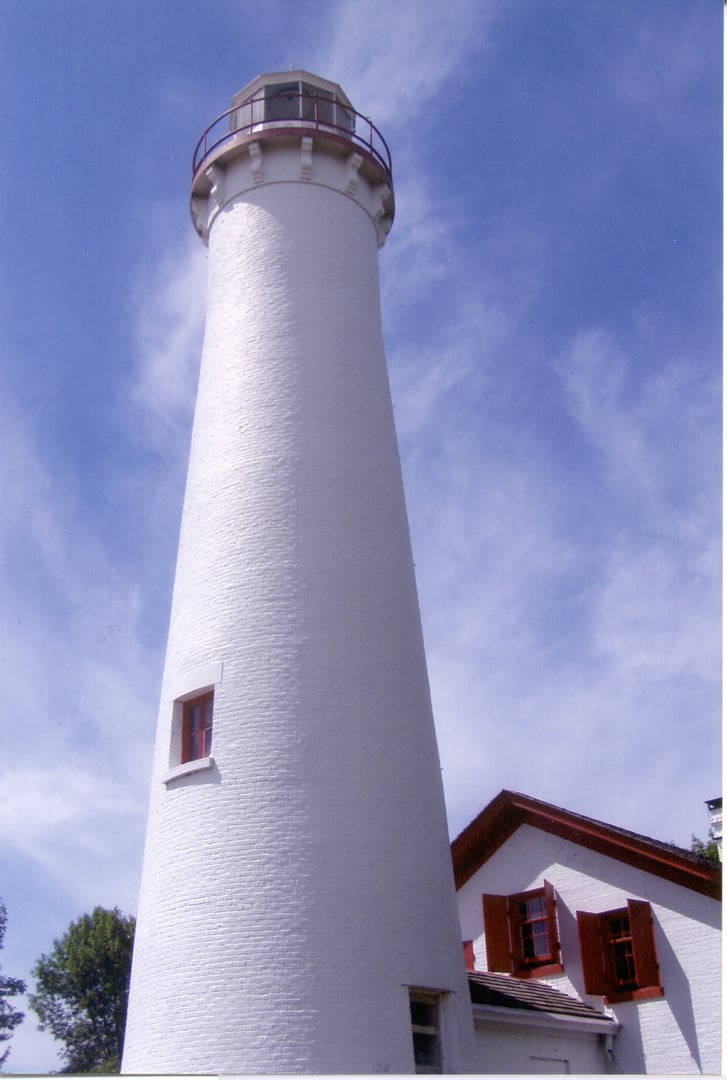
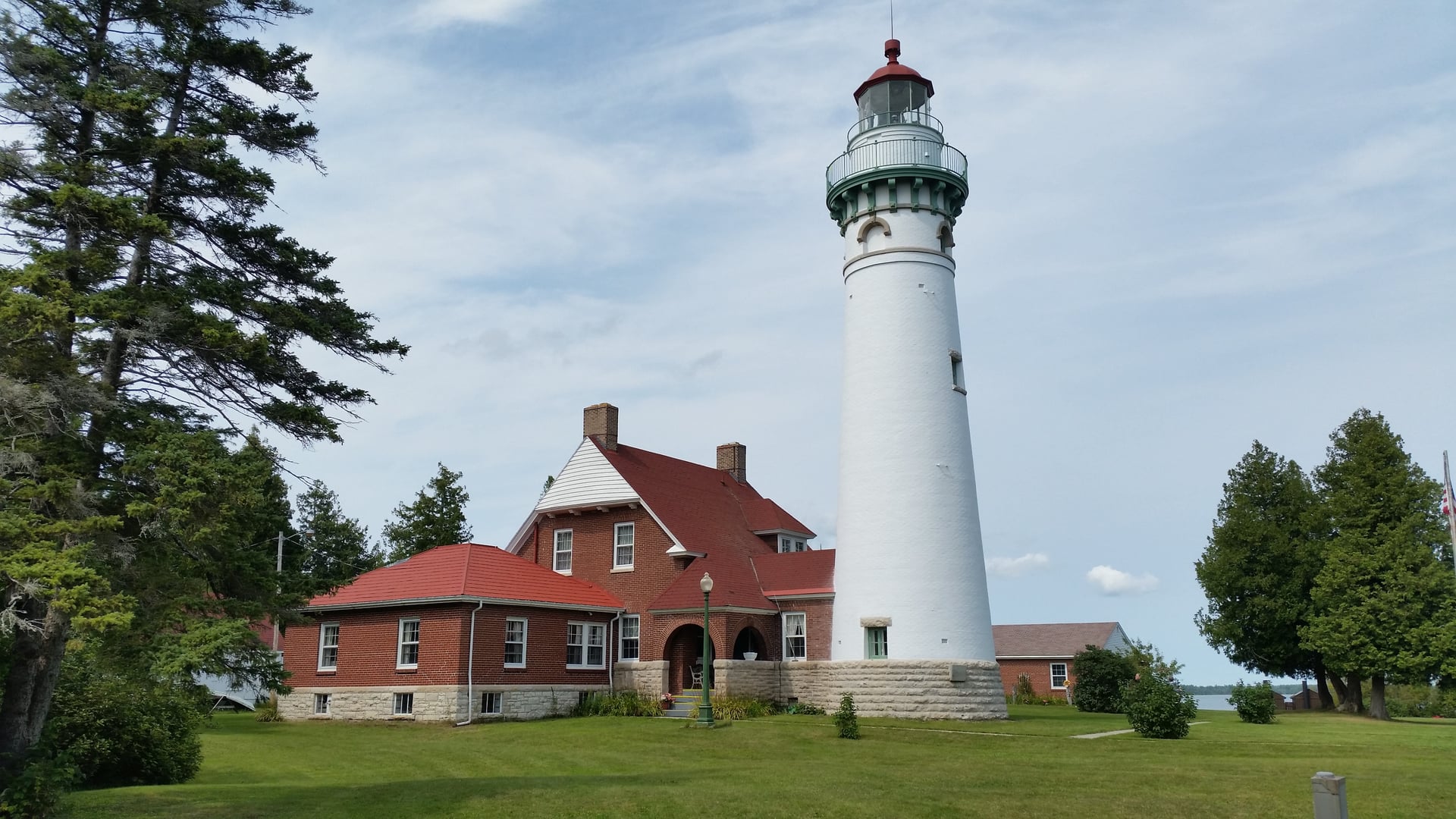
In 1871 the original wooden tower and keeper's residence were replaced with the brick structures that stand today. The sixty-five-foot Cape Cod-style tower carried a fourth-order Fresnel lens with a focal plane reported at sixty-eight feet above lake level. The light remained in continuous service for ninety-three years until 1962, when it was deactivated and replaced by an automated light in the channel off Gros Cap, Ontario.
The complex was listed on the National Register of Historic Places in 1975 and is now administered by the U.S. Forest Service as part of the Hiawatha National Forest. The keeper's dwelling functions as a museum interpreting both maritime history and the Ojibwe history of the cape, the latter developed in cooperation with regional tribal historians.
Sources
- https://en.wikipedia.org/wiki/Point_Iroquois_Light
- https://www.fs.usda.gov/r09/hiawatha/recreation/point-iroquois-lighthouse
- https://www.history.uscg.mil/Browse-by-Topic/Assets/Land/All/Article/1975912/point-iroquois-lighthouse/
- https://lighthousefriends.com/light.asp?ID=566
Phantom footstepsDoors opening/closingApparitions
The reported paranormal activity at Point Iroquois is modest in scope. Volunteer caretakers and museum visitors have described phantom footsteps on the spiral tower stairs, doors opening and closing in the keeper's quarters during off-hours, and the occasional brief impression of a figure in nineteenth-century keeper's clothing on the upper tower landing.
The site's longer-running atmospheric weight is historical rather than paranormal. The Ojibwe place name Nadouenigoning commemorates a 1662 battle that left a large number of Iroquois warriors dead on the cape. Ojibwe oral tradition holds that the point retains a spiritual register from that event; statements about that tradition should be sought from regional tribal cultural offices rather than narrated by outside writers. The lighthouse's interpretive programming addresses this history alongside the maritime story.