Est. 1835 · Michigan's Oldest Operating Hotel · Underground Railroad Station · Oldest Brick Building in Calhoun County
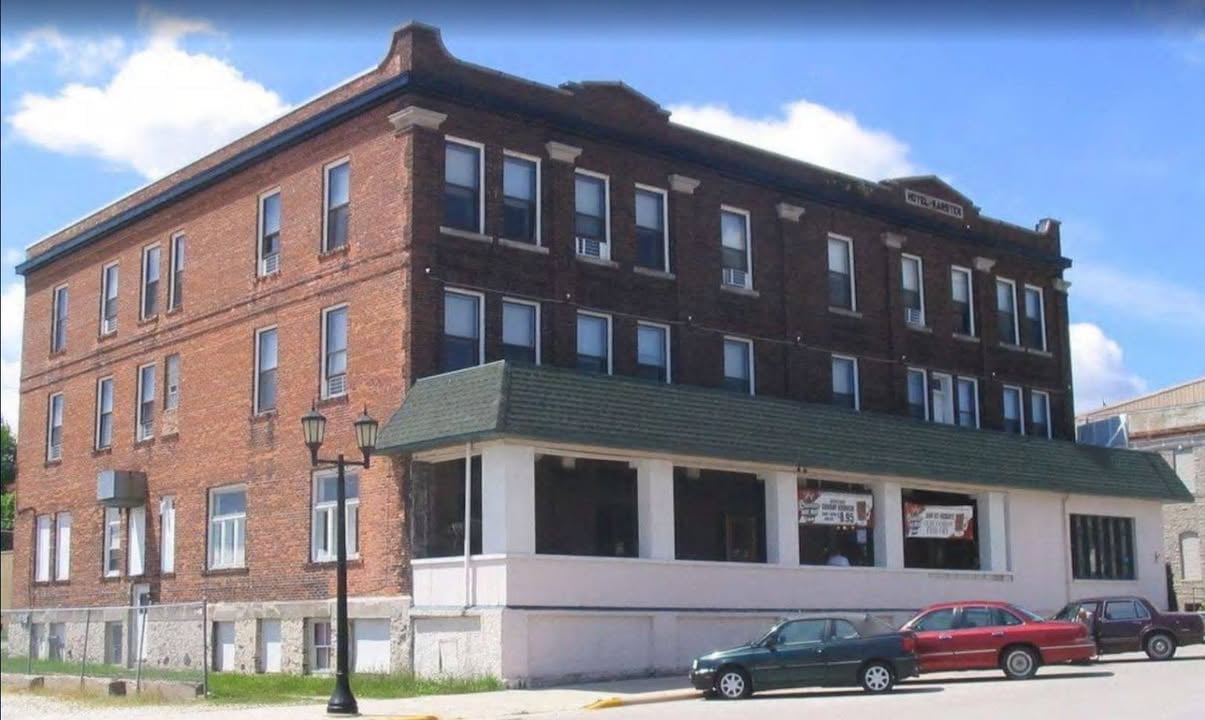
Colonel Andrew Mann completed the brick stagecoach inn on the corner of Michigan Avenue and South Parkview in Marshall in 1835, making it the oldest brick building in Calhoun County. Michigan Avenue was then the primary overland route between Chicago and Detroit, and Marshall was a prosperous young city with ambitions — at one point the front-runner to become the state capital before Lansing was selected.
The inn served as a critical stop on the stagecoach circuit, providing meals and lodging for travelers, mail carriers, and commercial agents who relied on the Chicago-Detroit corridor. When the railroad arrived through the region in 1844, stagecoach traffic declined and the inn's role shifted to serving railroad workers and then the emerging leisure travel market, operating for stretches under other names, including the Acker House and the Facey House. By 1878, sleeper and dining cars had rendered the railroad hotel obsolete, and the inn closed.
The building was repurposed over the following century: converted to wagon and windmill manufacturing operations by the 1890s, then to apartments by a local veterinarian in 1902, a function it maintained for nearly 75 years. In 1976, a group of investors committed to restoring the building as a bicentennial gift to Marshall, completing the work by Thanksgiving of that year.
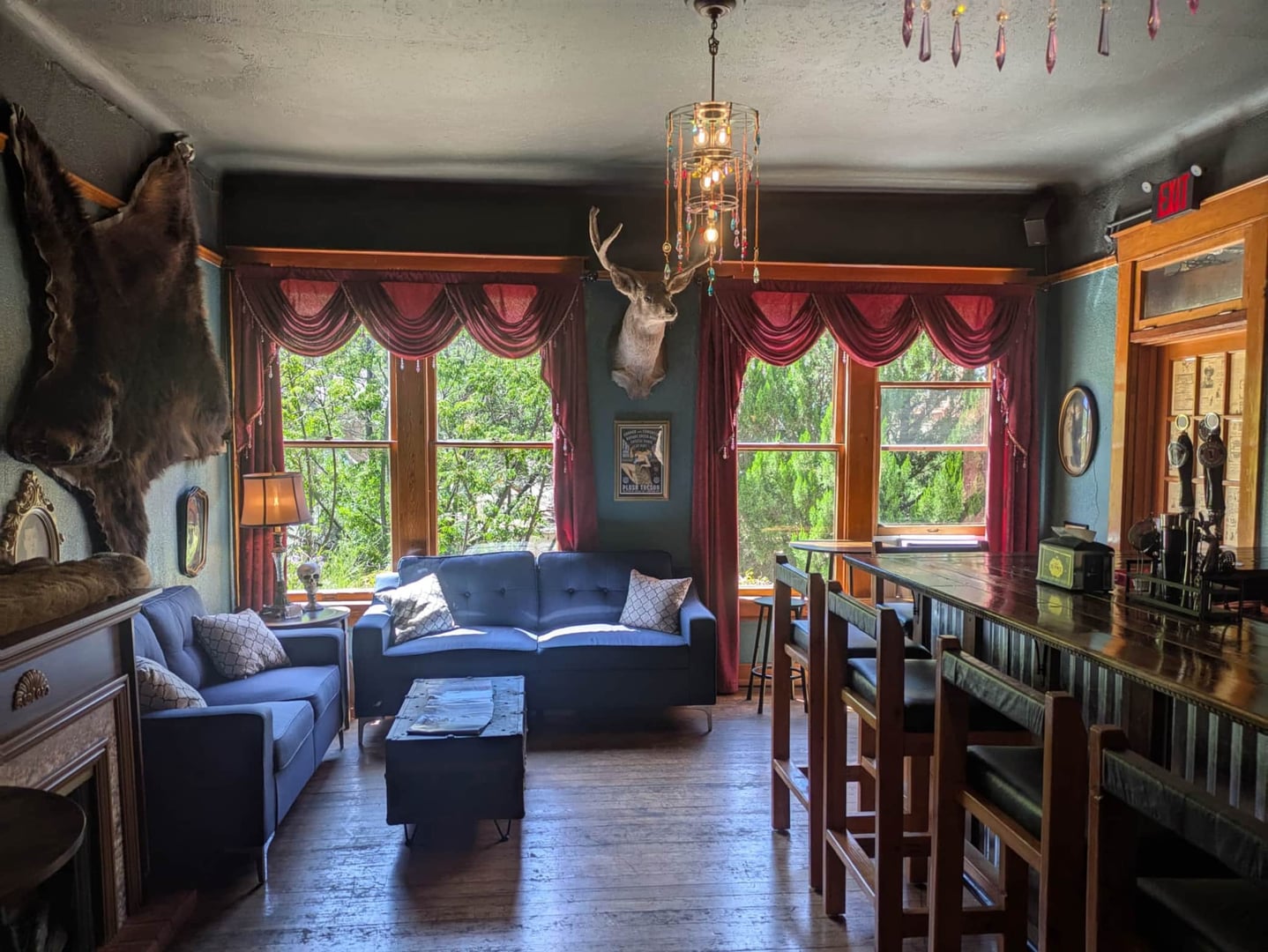
The restoration revealed a hidden room in the basement — a concealed space built into the foundation specifically to shelter freedom seekers moving through the Underground Railroad network. Marshall was a documented stop on that network, and the discovery confirmed the inn's involvement in pre-Civil War freedom efforts; during Prohibition, local accounts hold, the same concealed space served bootleggers moving liquor along the Michigan Avenue corridor. Today the restored inn operates with named rooms ranging from $140 to $210 per night, breakfast included. The room names are a roster of Marshall figures, among them Adam Crosswhite, the formerly enslaved Marshall resident whose 1847 rescue from slave catchers by his neighbors became a national test case in the years before the Fugitive Slave Act of 1850.
Sources
- https://nationalhouseinn.com/rooms/
- https://hauntedus.com/michigan/national-house-inn/
- https://99wfmk.com/haunted-national-house-inn-marshall/
- https://www.atlasobscura.com/places/national-house-inn
ApparitionsPhantom smellsObject movementResidual haunting
The National House Inn's paranormal reputation emerged with its 1976 restoration rather than predating it — which is itself a curious detail. Renovation disturbance is a common trigger in documented paranormal activity, and the specific discovery of the Underground Railroad hidden room during that work may provide a biographical anchor for at least some of the reports.
The woman in red dress is the primary apparition. Guests and staff have described her since 1976 as floating through the corridors rather than walking. The identity proposed in local accounts varies: she may be a former guest, a woman connected to the bootlegging activity that used the building during Prohibition, or one of the train passengers from the railroad era. No historical record directly ties a named person in a red dress to the property.
The Charles Dickey Room — named for a 19th-century figure in Marshall's history — generates the most specific and consistent accounts. Pictures have been knocked from the walls without any recorded physical cause. Guests in the room report unusually vivid nightmares, a detail that surfaces in multiple independent reviews. The cigar smoke smell, present in a non-smoking inn where no guest near the room is documented as smoking, has been reported by enough guests to merit mention in the inn's own paranormal documentation.
The hidden Underground Railroad room in the basement is accessible to guests on request. The space was built to be undetectable from casual inspection — a necessary feature given the legal exposure of harboring freedom seekers in pre-Civil War Michigan.
Notable Entities
The Woman in Red