Est. 1891 · World's Largest Surviving Steam Reciprocating Pump · National Historic Mechanical Engineering Landmark · Chapin Mine 1901 Powder Explosion — Eight Killed · Upper Peninsula Iron Mining History · Industrial Labor History
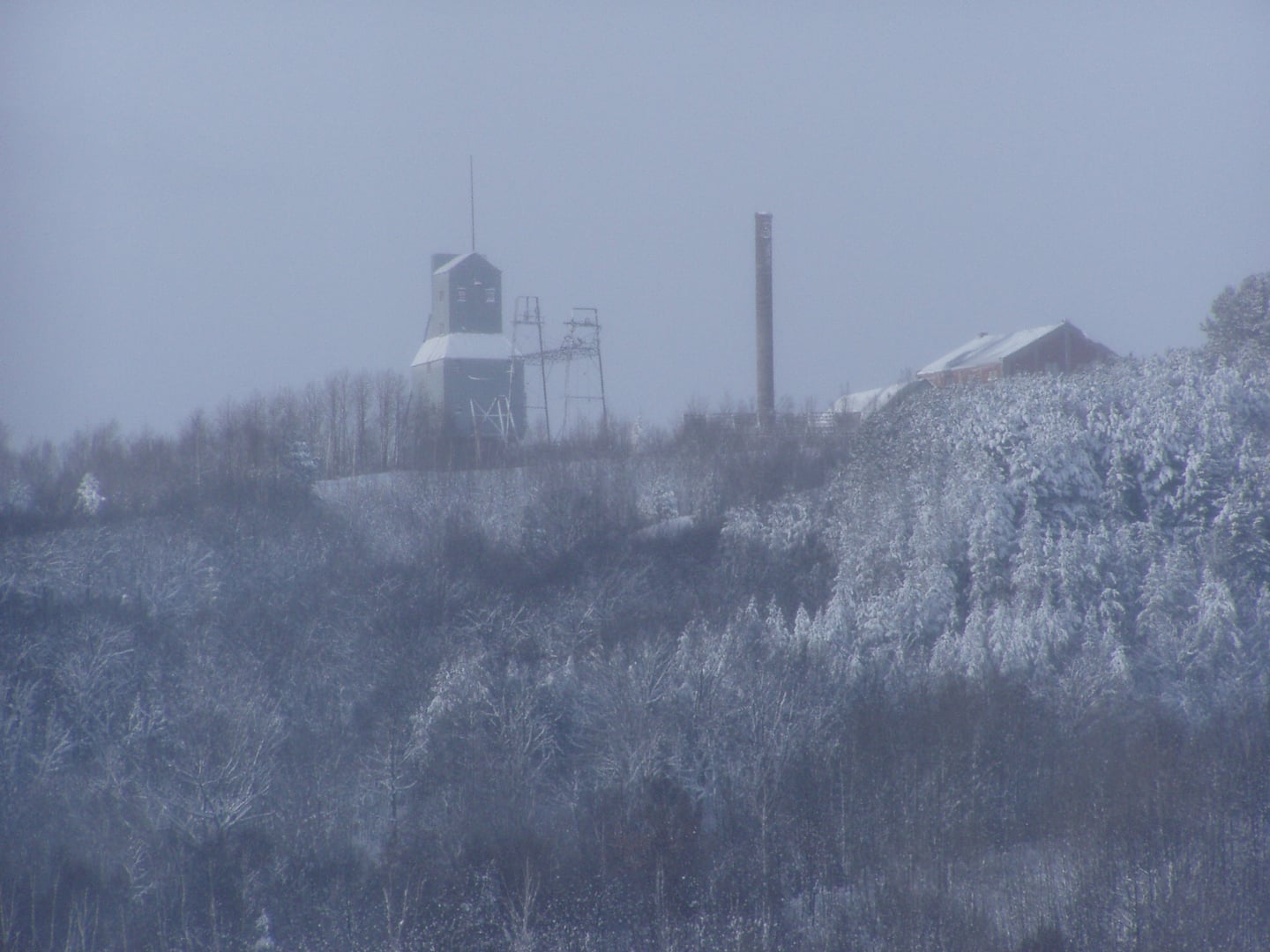
The Chapin Mine opened in 1879 in Iron Mountain and quickly established itself as one of the richest iron ore deposits in Michigan's Upper Peninsula. The mine's central problem was water: the underground workings sat in a saturated formation that flooded continuously, requiring industrial-scale dewatering to remain productive. The solution was a Cornish-type reciprocating steam pump installed in 1891 — a machine so large its flywheel measured 40 feet in diameter and weighed 160 tons. It was the largest steam-driven reciprocating pump in the world.
On June 4, 1901, a powder magazine explosion on the seventh level of the mine killed eight miners. Genealogy Trails' documentation of the disaster preserves the names of the dead and the sequence of events: a charge detonated prematurely during routine operations, and the blast in the confined underground space was devastating. The victims were mostly immigrant workers — the kind of men who made up the majority of UP mine labor in that era. Their deaths received local coverage but no lasting memorial.
The mine closed in 1934 after the ore deposits were exhausted. The pump house and its mechanism were preserved rather than demolished, and the Menominee Range Historical Museums operates the site as a public museum. The Cornish pump is a National Historic Mechanical Engineering Landmark. The mine's 1901 disaster and its seven-level underground labyrinth give the site a layer of industrial-era death that no theatrical staging could approximate.
Sources
- https://en.wikipedia.org/wiki/Chapin_Mine_Steam_Pump_Engine
- https://menomineemuseum.com/cornish-pump-museum
- http://genealogytrails.com/mich/dickinson/chapin_mine_explosion.htm
Residual atmosphere of industrial-era mining tragedyNo formal paranormal reports documented
The Cornish Pumping Engine Museum does not have a well-documented paranormal tradition in the way that hotels or theaters do. What it has is something arguably more grounded: a machine that ran day and night for 43 years to keep underground workers alive in a mine that still managed to kill eight of them in a single morning.
The 1901 powder explosion on the seventh level is the defining event in the Chapin Mine's human story. The genealogy records document the victims by name, a rarity for industrial disasters of that era where immigrant workers often remained anonymous in official accounts. The seventh level itself — hundreds of feet below the pump house floor — was the kind of working environment that industrial-era safety laws were written to prevent.
Visitors to the pump house stand beneath a machine that processed millions of gallons of water to keep those men working. The industrial scale of the mechanism, the cast-iron and steam context of the 1890s, and the knowledge that the mine it served killed workers at a documented rate gives the site a gravity that functions independently of ghost stories. It is included here as a dark tourism site in the tradition of industrial tragedy sites rather than as a haunted location with reported phenomena.