Est. 1840 · Pioneer Settlement · Railroad Development · Agricultural Heritage · St. Clair County History
Berville's settlement began when speculators started purchasing land in 1835, with actual habitation established by 1840. The town took its name from Berlin Township, with pioneers including Lewis Smith, John A. Warner, and Townsend Lockwood. A post office operated continuously from February 1862 until July 1962, marking Berville's long operational history as a rural community.
The settlement's development was shaped significantly by railroad infrastructure. Berville served as a station on the Almont division of the F. & P. M. railroad in Berlin Township, approximately twenty-five miles west of Port Huron. This connection facilitated commerce and provided transportation access to larger regional centers.
The surrounding area developed as agricultural farmland, with scattered residences serving primarily as working farms. The rural character of the region persisted throughout the twentieth century, with limited industrial or urban development. Most structures from the nineteenth and early twentieth centuries that remain are deteriorated or abandoned, reflecting the region's economic shifts and changing population patterns.
Sources
- https://genealogytrails.com/mich/stclair/cityberville.html
- https://en.wikipedia.org/wiki/Berville,_Michigan
- https://www.waterwinterwonderland.com/namedplacedetail.aspx?id=3093&type=12
Lights flickeringPhantom voicesPhantom footstepsObject movementCold spots
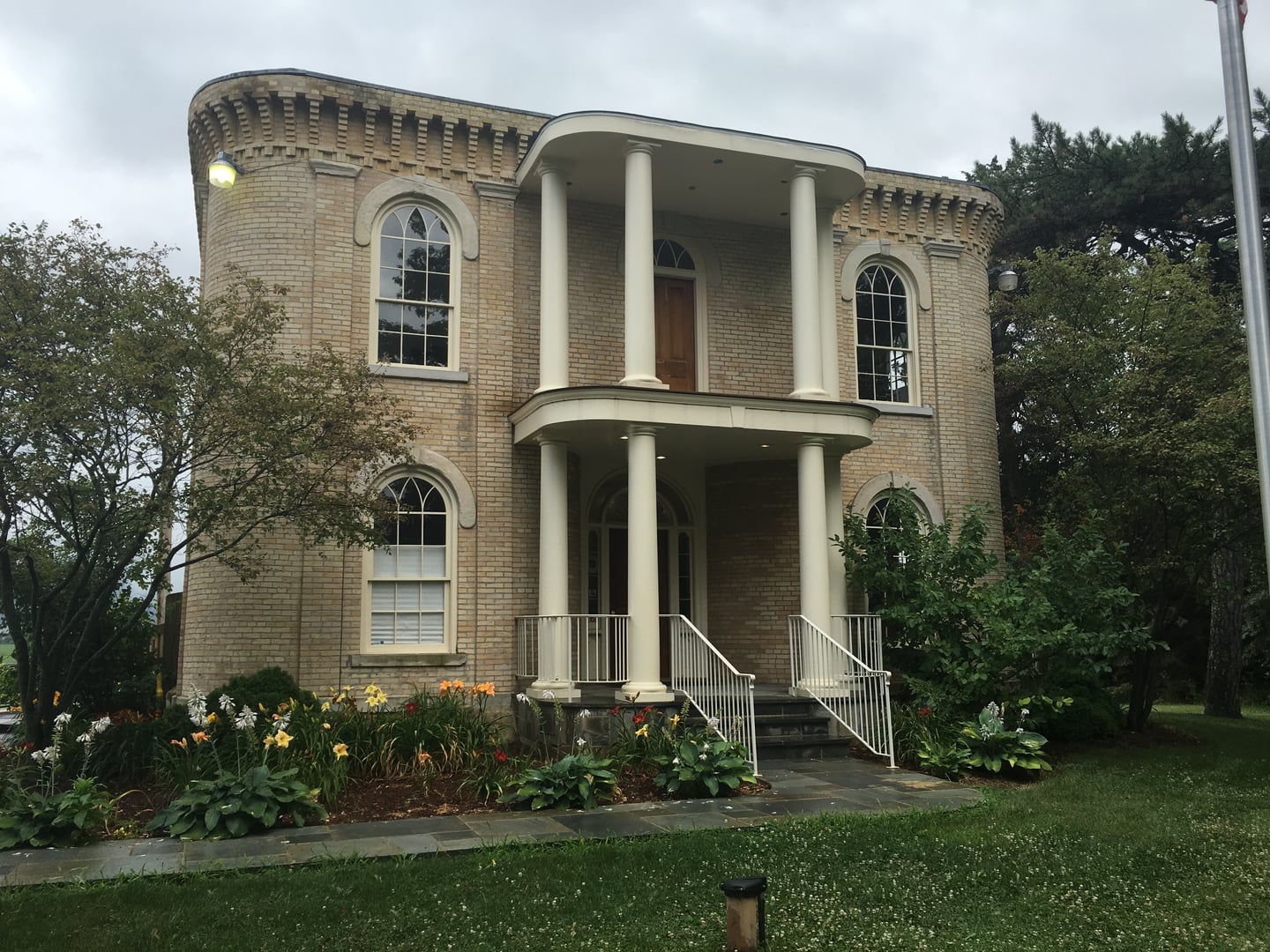
The Berville Road farmhouse is associated with a deeply rooted local legend concerning a young boy who died of illness within the structure. According to accounts, the child was approximately twelve years old and died in his sleep from unspecified illness. The specific circumstances of his death and burial are not documented in available historical records.
Paranormal reports cluster around temporal and sensory phenomena consistent with a residual haunting pattern. Witnesses describe observing flickering lights in the building's windows during late-night visits, particularly when passing between midnight and 2 AM—timeframes associated with the reported hour of death.
Experiences reported by visitors who have approached the structure include disembodied whispering sounds, footsteps in upper-floor areas, and the sensation of objects being moved or doors being opened. These auditory phenomena suggest environmental imprints associated with the deceased child's habitual movements through the household.
Most notably, visitors to the boy's bedroom—reportedly located at the end of the upstairs hallway—describe an overwhelming sudden temperature drop and emotional sensations described as intense sadness or depression. These sensory experiences suggest either environmental factors (drafts, structural decay) or more directly paranormal phenomena interpreted through an emotional lens.
The consistency of reports across multiple independent witnesses suggests either genuine environmental anomalies or a widely shared cultural narrative that shapes visitor expectations and perceptual interpretation of ambiguous stimuli.
Media Appearances
- 99wfmk.com - HAUNTED MICHIGAN: The Berville Boy