Est. 1774 · One of Maine's oldest graveyards · Grave of Mary Nasson (d. 1774) · Colonial York Village · 18th-century table-stone grave marker
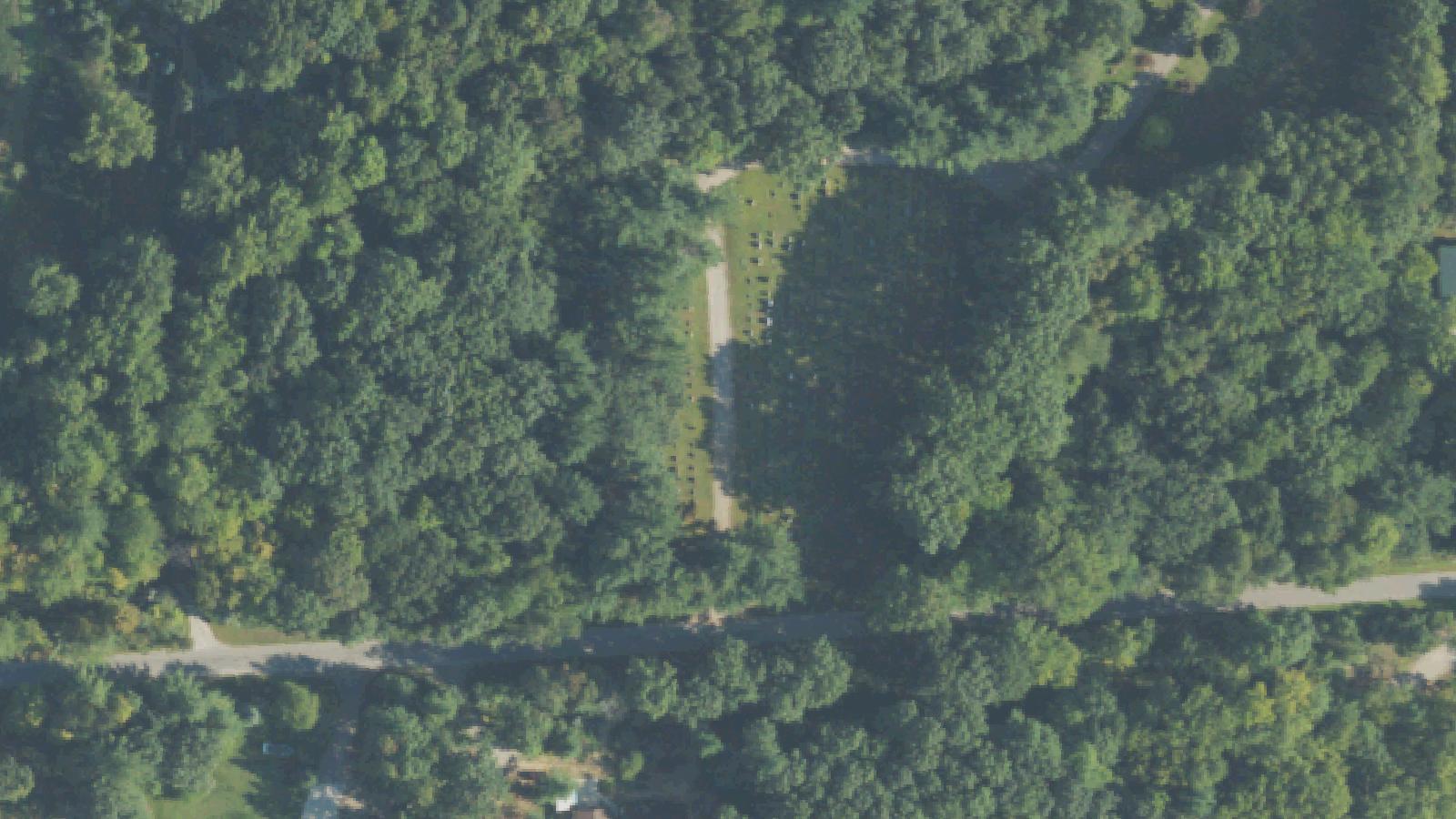
The Old Burying Yard sits beside the First Parish Church in the center of York Village, one of the earliest English settlements on the Maine coast. It is among the oldest graveyards in the state, with headstones reaching back to the colonial period, and it is maintained as a historic cemetery.
Its best-known marker belongs to Mary Nasson, who died in 1774. Local tradition came to call her 'the witch,' a label tied to her reputation as an herbalist and healer rather than to any documented trial or accusation. Her grave is distinguished by a large flat stone slab laid horizontally over it, with separate head and foot stones. This table-stone form was a recognized 18th-century grave treatment, and historians attribute the slab to ordinary period practice rather than to any effort to confine the dead.
The graveyard, and Mary Nasson's grave in particular, is a fixture on guided walks of York Village, which pair the documented colonial record with the folklore that has accumulated around the site over more than two centuries.
Sources
- https://newenglandcuriosities.com/activities/haunted-york-village/
- http://newenglandfolklore.blogspot.com/2016/03/york-maines-haunted-gaol-and-ghost-of.html
Sense of presence at the graveReports of warmth from the stone slabUnease near the grave
The folklore around Mary Nasson's grave is the most widely told ghost story in York Village. Tradition gave her the name 'the Witch of York,' and the large flat stone over her grave became the focus of a legend that it was placed there to keep her from rising. Folklorists note that the slab is a conventional 18th-century table stone and that the witch label appears to stem from her work as a healer, but the story has persisted in local tradition for generations.
Visitors to the Old Burying Yard describe a sense of presence near the grave, and some accounts report warmth radiating from the slab or unease while standing over it. The reports are atmospheric rather than dramatic, and the grave is treated as a place of folklore and respect rather than fright.
York Village ghost walks make Mary Nasson's grave a central stop, recounting the witch tradition alongside the documented facts of her life and burial. The site connects to the village's deeper colonial lore, including other accused women and the area's witchcraft-era history.
Notable Entities
Mary Nasson