Est. 1776 · Colonial Smallpox Burial · Cape Cod Local History · Epidemic Isolation Practice
Smallpox was one of the gravest threats in colonial New England, and communities took hard measures to contain it. When Thomas Ridley died of the disease in 1776, the people of the Truro area buried him not in a town cemetery but far out in the woods, away from the living, to reduce any chance the contagion would spread from his body.
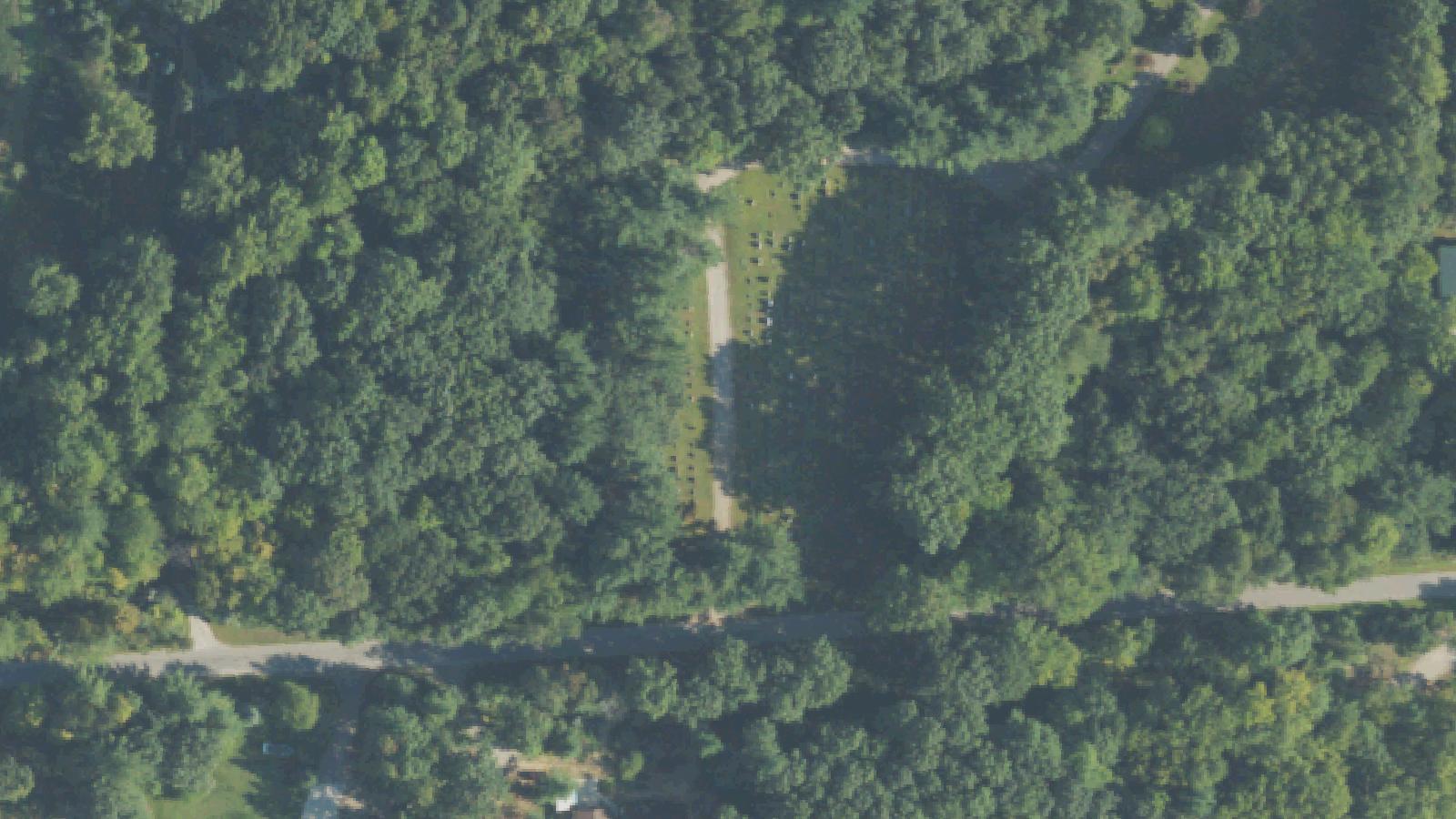
His grave lies deep in the pine woods of North Truro, behind what was later Montano's Restaurant on Shore Road. The headstone is small, barely a foot high, and weathered to nearly the same color as the brush and pine duff around it, which has earned the site a reputation as one of the most difficult spots to find anywhere on Cape Cod.
The grave is recorded in regional Cape Cod accounts of local dark history as an example of how colonial communities handled epidemic death: isolation in life and in burial. Beyond that single line of local lore, little is documented about Thomas Ridley himself, and the site is held here for review pending further sourcing.
Sources
- https://www.capecod.com/lifestyle/creepy-cape-cod-hauntings-murders-and-unexplainable-events/
- https://www.capecodgravestones.com/truropixweb/rid76tri.html
- Shebnah Rich, Truro, Cape Cod or Landmarks and Sea Marks (1883), p. 209
Unlike many entries on Cape Cod's darker map, Thomas Ridley's grave carries no documented ghost lore in the source reviewed here. What gives it weight is the plain fact of the burial: a man who died of smallpox in 1776, carried out into the woods and laid in the ground apart from everyone else so the disease would not follow him back to town.
The quiet of the spot, a tiny stone almost lost among the pines, does the work that a ghost story usually would. Visitors describe the difficulty of finding it and the strange solitude of standing at a grave deliberately hidden from the world of the living.
No apparitions or phenomena are recorded in the available account, and this entry does not invent any. It is presented here as a historical site, pending a second corroborating source.