Est. 1897 · Salem Witch Trials Interpretation · Living History Museum
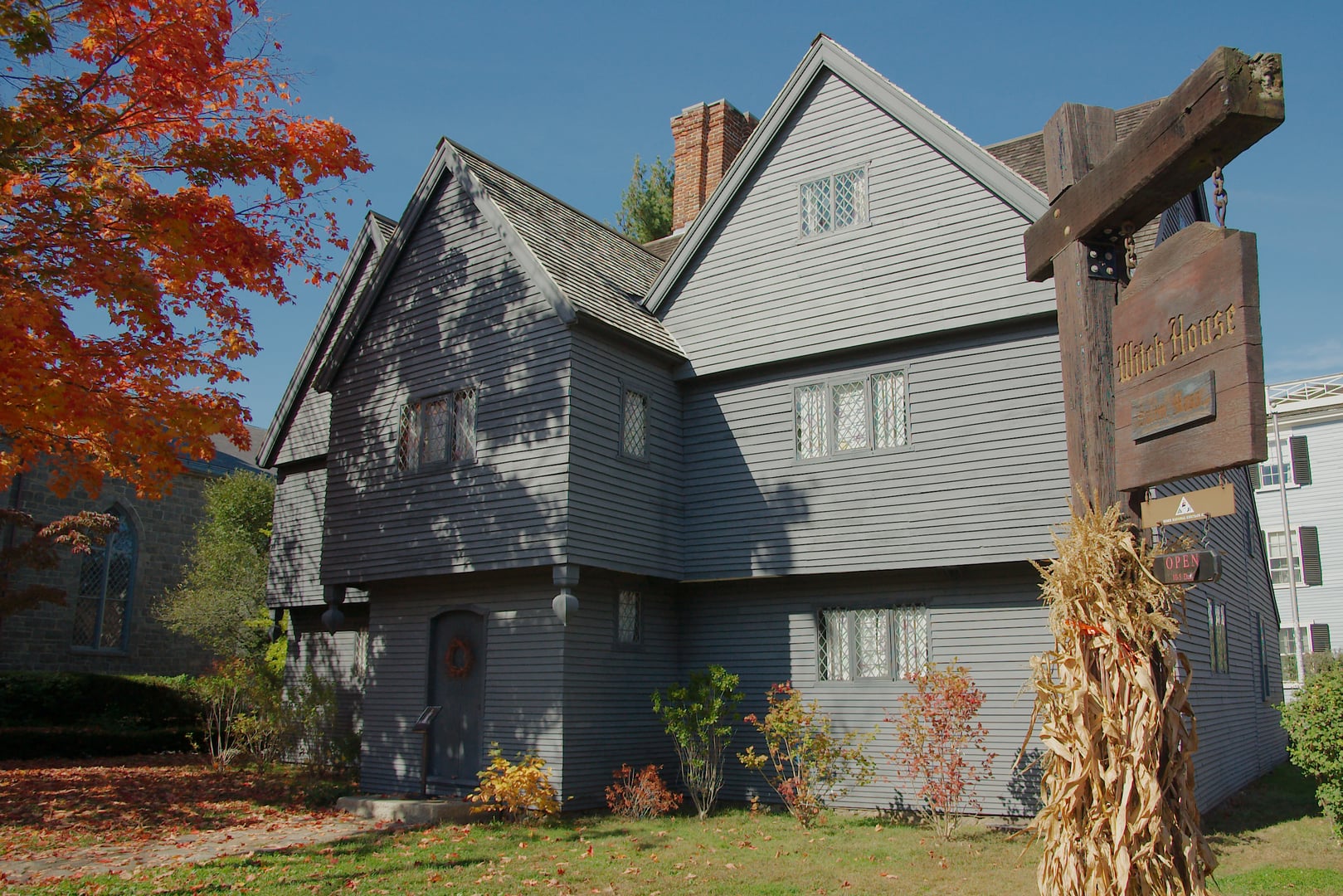
The Salem Witch Dungeon Museum occupies a former East Church chapel built in 1897 at 16 Lynde Street, a short walk from the Salem Witch Trials Memorial and the Witch House. The museum opened in 1979 and has operated continuously since.
The original Salem Witch House jail, where the accused were confined during the 1692 trials, stood at the corner of Federal and St. Peter streets and was demolished in the 19th century. The museum's lower-level dungeon is a replica, designed using historical research into colonial Massachusetts incarceration practices to give visitors a sense of the cramped, dark conditions that more than 150 accused townspeople endured during the trial summer.
The visitor experience begins with a live performance in the chapel's main hall. Actors stage an excerpt from the 1692 trial of Sarah Good, one of the first three women accused, using dialogue transcribed from the official Court of Oyer and Terminer records. The performance is followed by a guided walking tour of the replica dungeon, where wax figures depict accused women including Giles Corey's wife Martha and several of the older women who died in custody before they could be tried.
The museum is open daily from April 1 through November 30. It is one of several Salem attractions operated by the Witch Dungeon Museum company, which also runs the New England Pirate Museum and the Witch History Museum.
Sources
- https://www.witchdungeon.com/
- https://salemheritagetrail.org/locations/witch-dungeon-museum/
- https://salempl.org/wiki/index.php?title=Witch_Dungeon_Museum
Cold spots
Unlike the nearby Old Burying Point or the Witch House at the corner of Essex and North, the Salem Witch Dungeon Museum is not the subject of well-documented apparition reports in its own right. The building is a 19th-century chapel converted to a performance venue, not the site of the original 1692 jail.
Local ghost-tour operators often include the Lynde Street block as part of evening walking routes because of the witch-trial subject matter rather than because of incidents reported inside the museum. The replica dungeon's emotional weight comes from its historical content: the depiction of women like Sarah Osborne and Ann Pudeator, who died in the original jail before formal sentencing, presents the trials as a sustained civil-rights catastrophe rather than as a paranormal event.
The museum's interpretive position aligns with modern scholarship treating the 1692 trials as a sociological crisis driven by accusation, mass hysteria, religious fundamentalism, and procedural failures of the colonial courts.