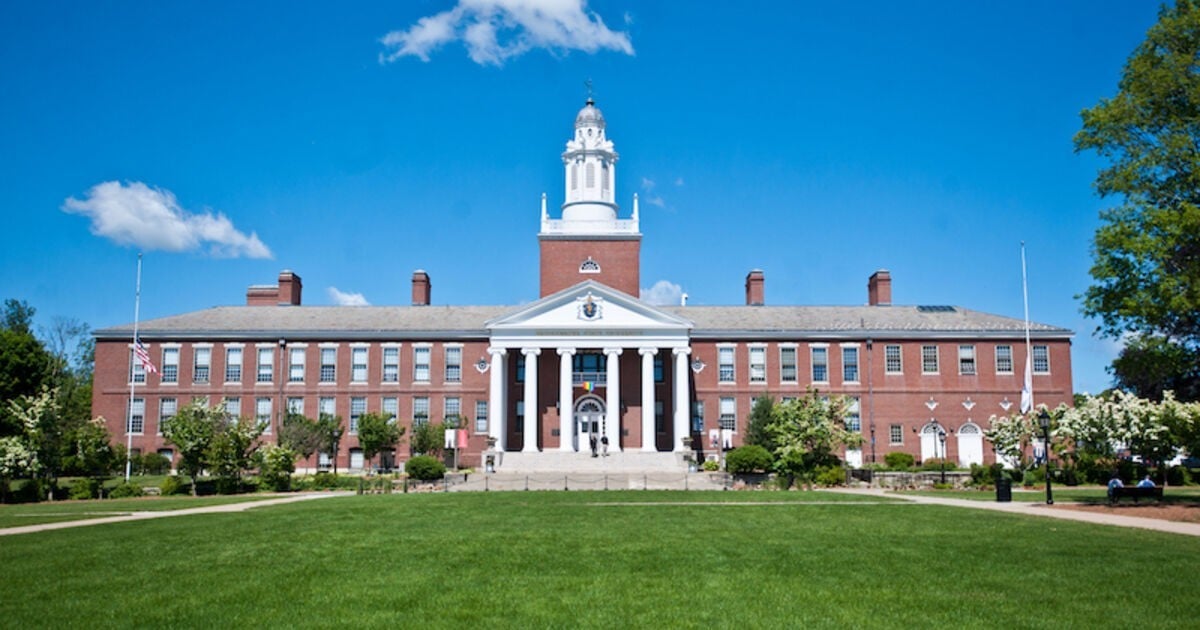
The paranormal reputation of Boston University's Kilachand Hall centers specifically on the fourth floor, where Nobel Prize-winning playwright Eugene O'Neill died. The haunting is attributed to O'Neill's enduring presence or residual imprint of his final years, when he was confined to his suite and spent considerable time contemplating mortality and creative legacy.
The most distinctive phenomena reported by students involve elevator malfunction. The building's elevator stops at the fourth floor without being called or requested, occurring regularly enough that residents accept it as routine. No mechanical explanation has been offered for this behavior, though architectural features have been suggested as possible causes.
Lighting on the fourth floor is consistently reported as dimmer than other floors in the building. While building management has attributed this to ceiling height variations, the disparity is striking enough that students and visitors consistently notice the atmospheric difference. The subdued lighting creates an atmosphere conducive to literary reflection, which may have contributed to the floor earning designation as Writer's Corridor in the 1984-1985 academic year.
Auditory phenomena include unexplained knocking on dormitory room doors. Students have reported persistent knocking with no visible source or person outside the door when it is opened. The knocking is described as deliberate and patterned rather than random, suggesting intentional communication.
Unusual wind sensations have been reported, including gusts of cold air moving beneath doorways and through sealed windows without apparent meteorological cause. Temperature fluctuations within specific rooms on the floor have been documented by students.
One particularly striking account from a student describes experiencing what was interpreted as a paranormal encounter — a vision or projected image on the ceiling that was characterized as demonic in appearance, accompanied by physical sensations of paralysis. While this account stands out as more intense than typical reports, it remains anecdotal and unverified.
The fourth floor's designation as Writer's Corridor in 1984-1985 further cemented O'Neill's connection to the space. The floor now attracts students majoring in creative writing and literature, creating an academic culture devoted to literary achievement. Each spring, residents publish a collection titled "Eugene's Legacy," celebrating both O'Neill's cultural impact and the creative work of current residents. This literary tradition may reinforce the perception of O'Neill's spiritual presence or simply honor his memory in an appropriate manner.
The haunting, if genuine, appears benign and even supportive of creative pursuits. No reports of malevolent activity, threats, or harmful phenomena have been documented. Instead, the presence is characterized as protective or encouraging of the writing students who occupy the floor.