Est. 1840 · Antebellum Manor House · 1969 Resort Conversion · Benjamin Perry Family Land
The land that now hosts Perry Park Golf Resort was traditionally hunted by Iroquois, Shawnee, Cherokee, and Miami peoples before European settlement. After Kentucky statehood in 1792, Revolutionary War veteran Benjamin Perry, who had fought at the Battle of Cowpens, moved his extended family from Virginia to the area circa 1810, accompanied by the Berryman family.
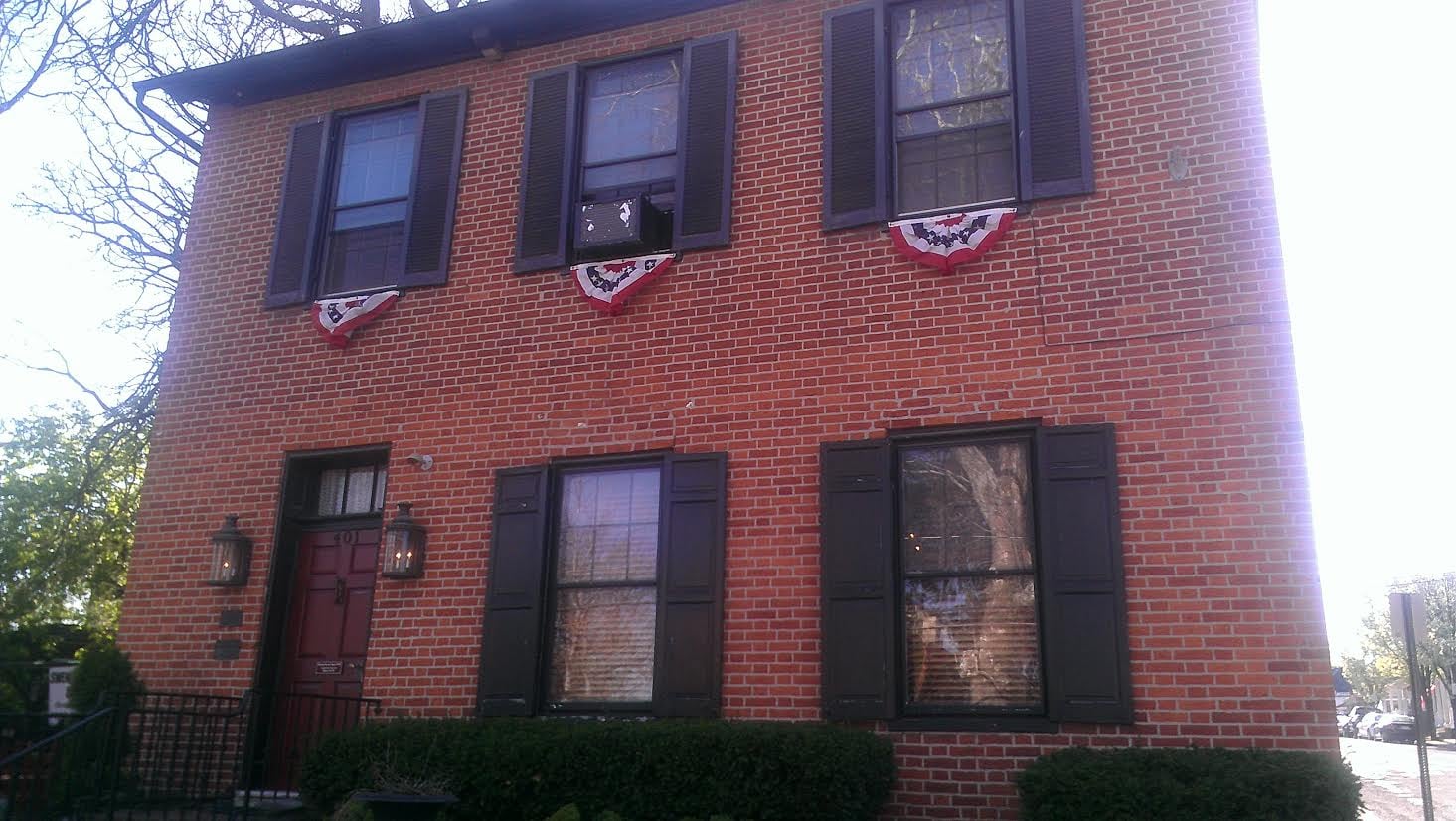
In 1832, Benjamin Perry's grandson Washington Perry and his wife Martha built a house called Wildwood. Between 1830 and 1850, the current Glenwood Hall manor house was constructed on the property. Glenwood Hall remains the historic core of the resort.
In 1966, Lingenfelter Investments purchased the property and began developing it as a golf and resort destination. The original 18-hole course opened in 1969 under the name Glenwood Hall Golf and Country Club, with Glenwood Hall itself serving as the clubhouse and restaurant. Arnold Palmer is among the touring professionals reported to have played at the resort in its early years.
Financial difficulties led to ownership changes through the 1970s, including a period under Mutual of Omaha, and subsequent resale to a Louisville-based private firm. In 1997 the club transitioned from a private members club to selling public memberships. The resort has been under private ownership in recent decades and continues to operate as a public-access golf, dining, and bed-and-breakfast destination.
Sources
- https://en.wikipedia.org/wiki/Perry_Park,_Kentucky
- https://www.perrypark.com/
- https://www.pga.com/story/hidden-gem-golf-destinations-kentuckys-perry-park-golf-resort
ApparitionsPhantom footstepsDoors opening/closingObject movementLights flickeringEquipment malfunction
The haunting tradition at Glenwood Hall predates the resort's 1969 opening. Local oral history attaches the activity to an earlier house fire said to have killed two children and the family's nanny on the antebellum property; independent newspaper or historical-society corroboration of the specific incident is thin, and Hauntbound treats it as legend rather than documented history.
Reported phenomena are unusually consistent across decades of resort employees and overnight guests. The most frequently described activity involves the manor house's dimmable lighting: kitchen and dining-room lights left in the off position at closing are routinely found switched on at low dim the next morning, with no overnight access between staff shifts. Employees describe the activity as so routine that it has become part of the closing process rather than a source of alarm.
Doors throughout the historic section reportedly resist opening even when unlocked, occasionally requiring two or three attempts before yielding. Pots and pans in the kitchen are reported banging together; curtains close themselves. Fire alarms throughout Glenwood Hall are described as triggering at night with no apparent cause and resetting themselves even after staff intervention.
The upper-floor and second-story windows of the manor occasionally produce a sighting described as a full-bodied female figure visible from outside, said by employees to be the nanny from the original fire. Hauntbound is skeptical of the specific identification but notes that the visual reports from guests at the bed and breakfast are independent of the marketing materials, which do not promote the haunting.