Museum Visit
Lexington History Center self-guided visit
Walk the restored Richardsonian-influenced building, learn the multi-courthouse history, and tour exhibits in the History Center.
- Duration:
- 1 hr
HauntBound archive · catalog record
Reported phenomena, as catalogued
Richardsonian-influenced 1900 courthouse, fifth on a site dating to 1782, where a museum manager reported being choked by an invisible force while carrying a prop noose.
215 West Main Street, Lexington, KY 40507
Research updated May 2026
Age
All Ages
Cost
Free
Free to enter the History Center lobby and visitor areas; some events ticketed.
Access
Wheelchair OK
Paved sidewalks; ADA entrances after 2018 restoration.
Equipment
Photos OK
Est. 1900 · Fifth courthouse on a Lexington civic site continuously used since 1782 · 1898-1900 building by Cleveland architects Lehman & Schmitt · Bell from earlier courthouses dating to 1806 still hangs in the dome · Restored 2018 as Lexington History Center
The block at 215 West Main Street has held a courthouse since Fayette County was carved out of Virginia: the first courthouse was erected in 1782, and four more buildings have stood on or near the site, with the bell in the current dome having served every courthouse since 1806. The fourth, designed by Thomas Boyd in 1887, burned on May 14, 1897, prompting commissioners to commission Cleveland architects Lehman & Schmitt for a fireproof replacement.
The Lehman & Schmitt design — sometimes described as Richardsonian Romanesque in spirit — was built between 1898 and 1900 at a cost of $323,000 (roughly $12.22 million in 2022 dollars). First court business convened on February 3, 1900. For more than a century the building served as the active seat of county justice, including the era of segregated proceedings that left a heavy mark on the surrounding Cheapside square.
After a long period of underuse, the city completed a $33 million restoration and reopened the courthouse in 2018 as the Lexington History Center: a hybrid civic museum, visitor center, café and event space operated in partnership with the Blue Grass Trust for Historic Preservation. The Lexington History Museum had previously occupied the building from 2003 until structural concerns forced its closure in 2012; staff from that earlier museum era are the source of most of the documented paranormal accounts.
The building is contributing to the National Register and physically anchors the redeveloped square now known as Henry A. Tandy Centennial Park, named in 2020 for the Black entrepreneur and mason whose firm Tandy & Byrd laid the brick under the courthouse's stone facade.
Sources
According to a 2012 feature in Smiley Pete Publishing, Lexington History Museum manager Debra Watkins kept a running file of unexplained incidents during the museum's run in the building. She told the paper that lights would turn on and off, chairs would shift position, and doors would swing open on their own with no draft or visible cause.
The most often-retold incident involves Watkins herself: while carrying a prop noose for an exhibit referencing the legendary 1809 hanging-out-the-window story from an earlier courthouse on the site, she reported feeling an invisible force press against her throat. A museum volunteer reportedly resigned after a similar experience of being grabbed in an empty room.
Two paranormal teams investigated the courthouse during the museum's tenure — AfterLife Kentucky in June 2010 and a Ghost Hunters International production in October 2010 — but according to the Lexington History Museum's own blog write-ups, neither team logged any definitive activity on tape. Stops at the courthouse remain part of US Ghost Adventures and Scavenger Hunt Lexington Ghost Trail itineraries, and the building continues to host occasional after-hours storytelling events.
Notable Entities
Media Appearances
Walk the restored Richardsonian-influenced building, learn the multi-courthouse history, and tour exhibits in the History Center.
Some links on this page may earn HauntBound a small commission when you book, at no extra cost to you. Our editorial picks are independent. Full disclosure
Every HauntBound history is researched from documented sources. We clearly separate verified historical fact from paranormal folklore.
Free Guide
11 verified stops, rated for families, mapped in order. Free.
One email to confirm, then the guide link. Unsubscribe anytime.
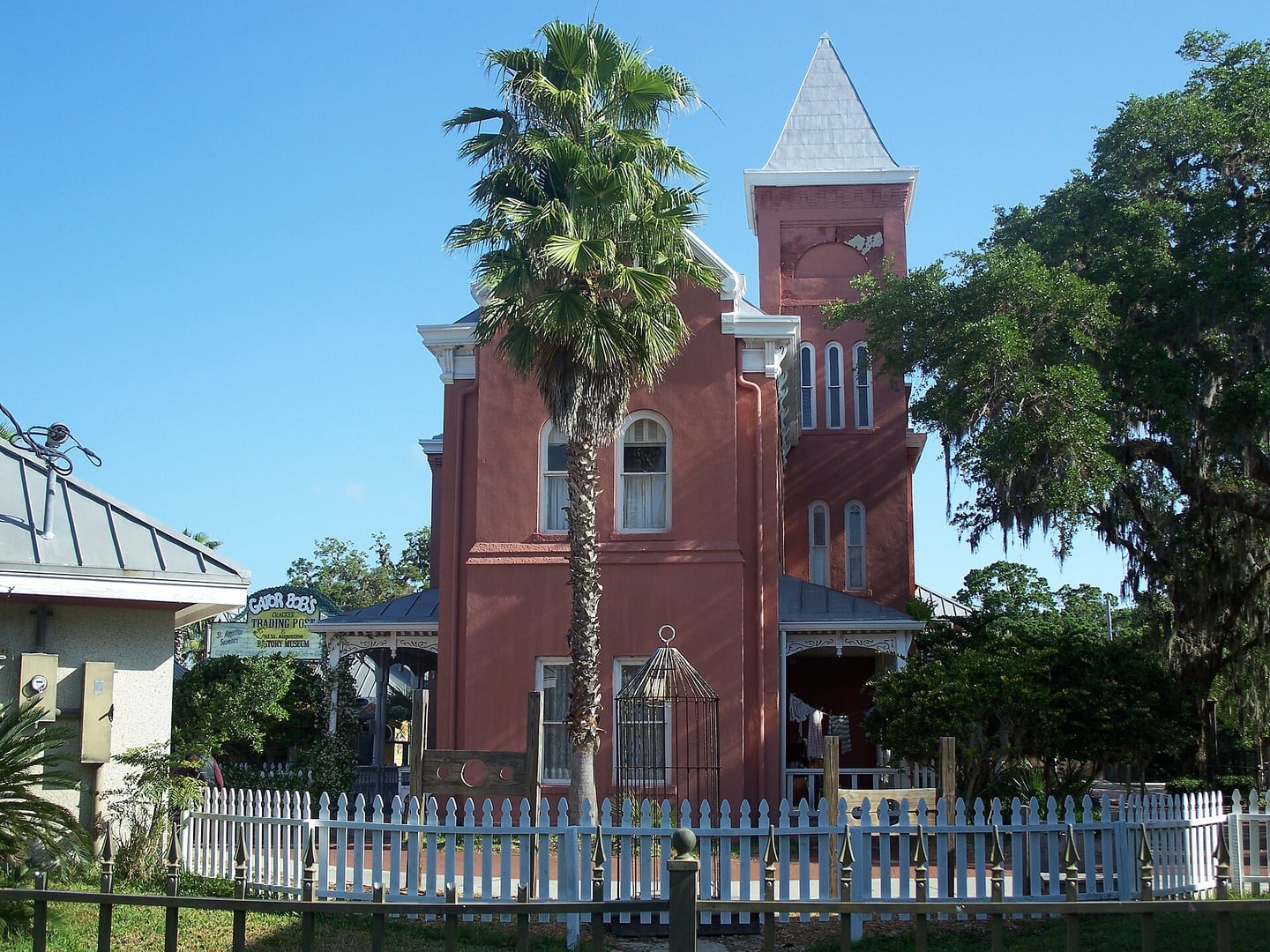
St. Augustine, FL
The Old St. Johns County Jail at 167 San Marco Avenue in St. Augustine, Florida was commissioned by railroad magnate Henry Flagler and constructed in 1891. Designed by the same architectural firm later used for Alcatraz, the facility housed prisoners under conditions so severe — one bucket per cell as a toilet, minimal diet, and labor in Flagler's fields — that it was closed in 1953. Eight documented executions occurred on site before the county converted the building to a tourist attraction in 1954.
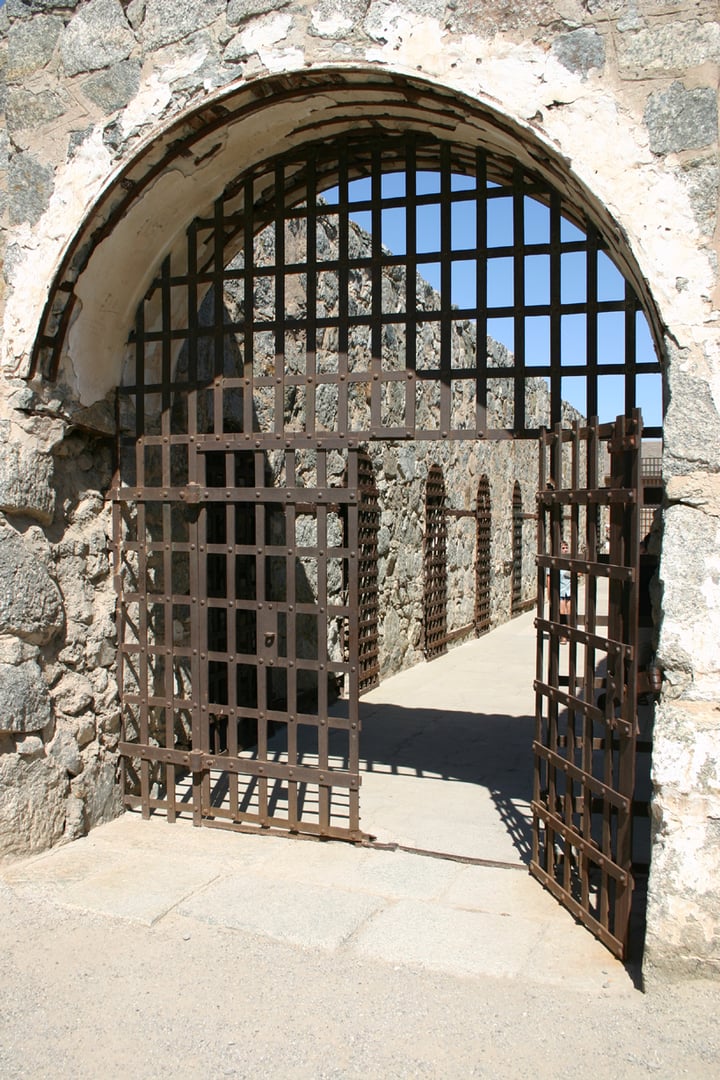
Yuma, AZ
Yuma Territorial Prison operated from 1876 to 1909 on a bluff overlooking the Colorado River in Yuma, Arizona. It held 3,069 prisoners during its 33-year operation, including 29 women. The facility became a state historic park and has been voted by USA Today readers as the Best Haunted Destination in the nation.
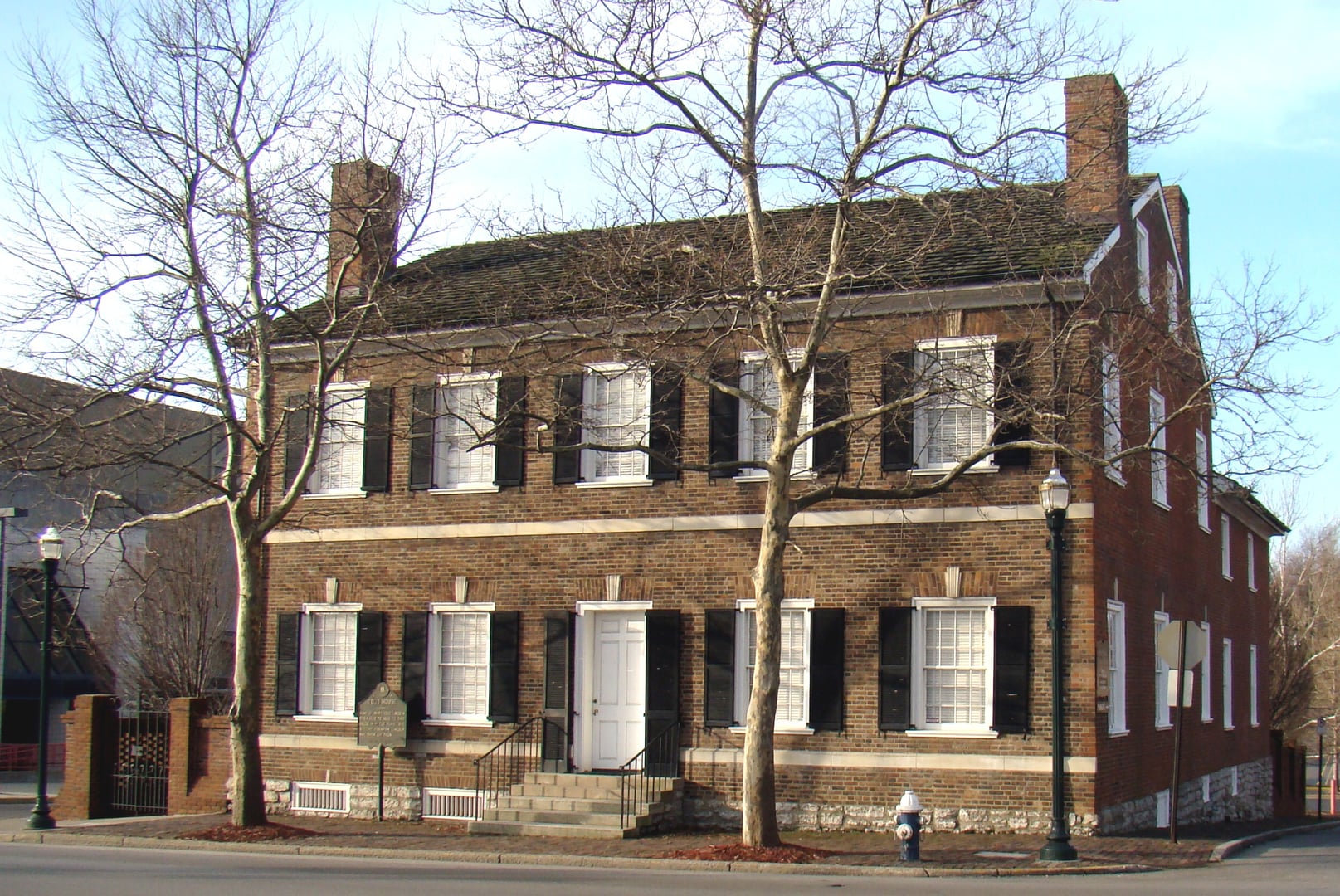
Lexington, KY
The Mary Todd Lincoln House at 578 West Main Street was built circa 1803-1806 as a tavern called The Sign of the Green Tree. Robert Smith Todd purchased the 14-room Georgian brick house in 1832, and his daughter Mary lived there from age 13 until she left for Springfield, Illinois in 1839. The house opened to the public in 1977 as the first historic site in the United States dedicated to a First Lady.