Est. 1912 · National Register of Historic Places · Coal Era Architecture · Appalachian Economic History · Catholic Education History
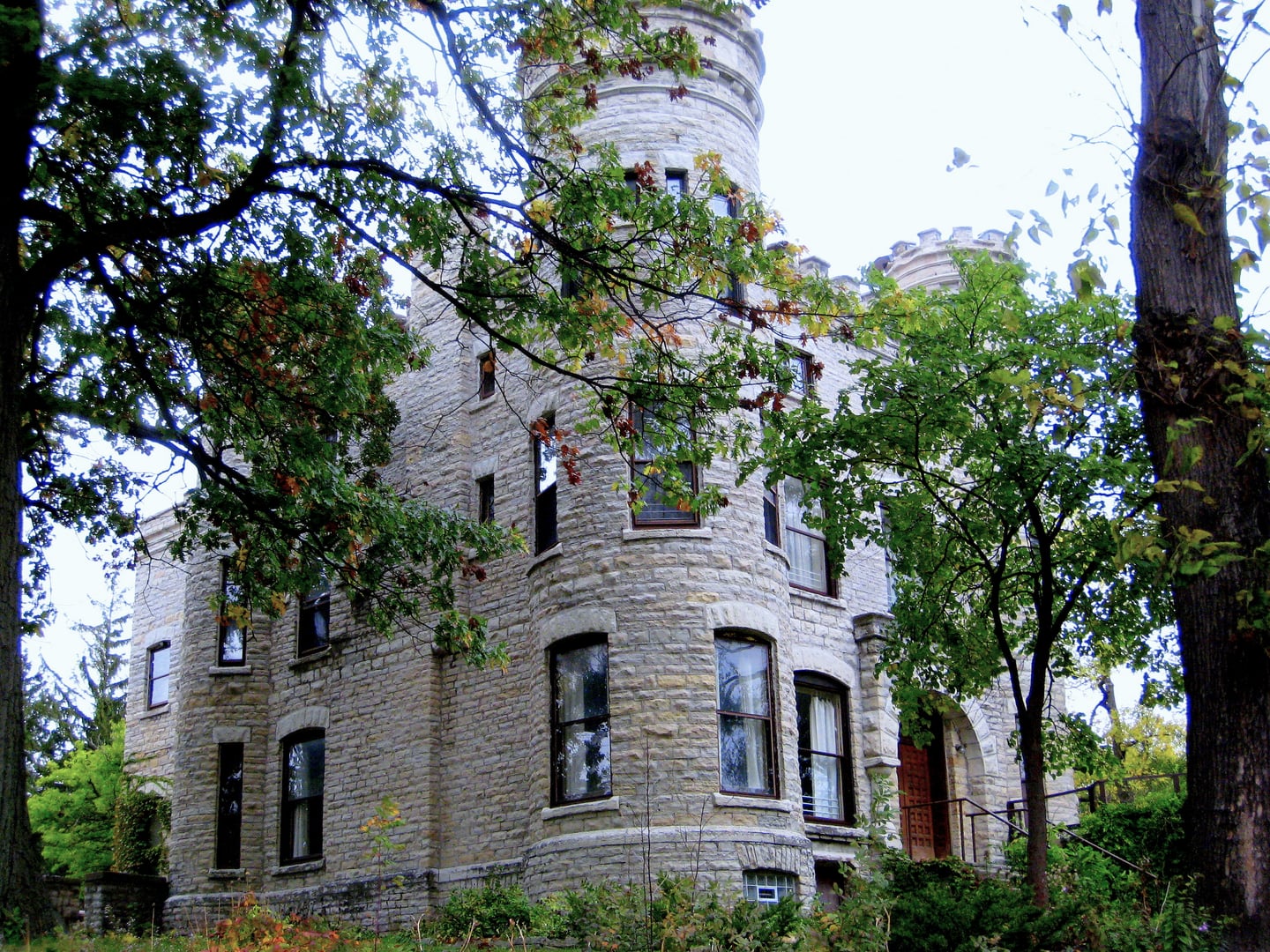
Ground was broken for Mayo Mansion in 1905, and construction continued for seven years before the 43-room, three-story residence was completed in December 1912. The cost was $250,000 — equivalent to over $8 million in 2024 dollars — making it among the most expensive private residences ever built in eastern Kentucky.
John Caldwell Calhoun Mayo had accumulated his fortune through a methodical campaign of purchasing coal mineral rights from Appalachian landowners before the railroads arrived. As the railroads extended into the region, those rights became enormously valuable, and Mayo became Kentucky's first coal baron. He built the mansion for his wife, Alice Jane Meek, at a time when Paintsville was transforming from a county seat into a regional economic hub.
Mayo died on May 11, 1914, at age 49, less than two years after the mansion's completion. Alice and the couple's two children subsequently moved to Ashland, Kentucky. She donated the mansion and property to Sandy Valley Seminary, administered by the Methodist Episcopal Church South, which established John C.C. Mayo College on the grounds. Later legal disputes arose when Alice attempted to reclaim the property.
In 1945, the property passed to the Catholic Diocese. The Most Reverend William T. Mulloy, Roman Catholic Bishop of Covington, purchased it, and the Sisters of Divine Providence from Melbourne, Kentucky, established Our Lady of the Mountains School in October of that year. The school continues to operate under the sponsorship of the Catholic Diocese of Lexington.
The mansion is listed on the National Register of Historic Places. A connected underground tunnel running from the mansion to the nearby Mayo Memorial United Methodist Church — built simultaneously as a companion project — has long been filled in.
Sources
- https://en.wikipedia.org/wiki/Mayo_Mansion
- https://paintsvilletourism.com/2022/12/05/mayo-mansion-mayo-memorial-united-methodist-church/
- http://theresashauntedhistoryofthetri-state.blogspot.com/2013/09/the-mayo-mansion-and-methodist-church.html
- https://theclio.com/entry/9442
- https://en.wikipedia.org/wiki/John_C._C._Mayo
ApparitionsResidual hauntingCold spots
Two distinct figures inhabit the folklore around Mayo Mansion and its grounds.
The first is John Mayo himself, reported on the sidewalk in front of the property — standing in era-appropriate clothing and hat, watching cars pass. The detail of period dress is consistent across the accounts, which is unusual in casual folklore, suggesting the description either originates from a single credible witness or has been retold so many times the specifics have calcified. The figure does not interact with observers.
The second figure is a woman seen inside the building — kneeling in prayer, or simply sitting in one of the rooms. Most accounts, including those compiled by regional paranormal researchers, identify this figure as Alice Mayo. Alice donated the mansion after John's death, later sued to reclaim it, and ultimately spent the remainder of her life in Ashland, where she died September 5, 1961. Whether the tradition of an interior female presence overlaps with, or developed independently from, similar reports at the nearby Mayo Memorial United Methodist Church is unclear.
A third element in the folklore involves the tunnel. During construction of both the mansion and the church, Mayo built an underground passage connecting the two buildings. The tunnel has been filled for decades. Standing near the site of the sealed entrance, according to accounts in the Shadowlands Haunted Places Index, produces an unsettling sensation not fully explained by the physical surroundings. This report is vaguer than the apparition accounts and harder to evaluate.
Because the building is an active Catholic school, access is restricted to appointment-based tours during school calendar windows.
Notable Entities
John C.C. MayoAlice Mayo