Est. 1803 · First U.S. historic site dedicated to a First Lady · Georgian Architecture · Slavery in Antebellum Kentucky · Lincoln Family History
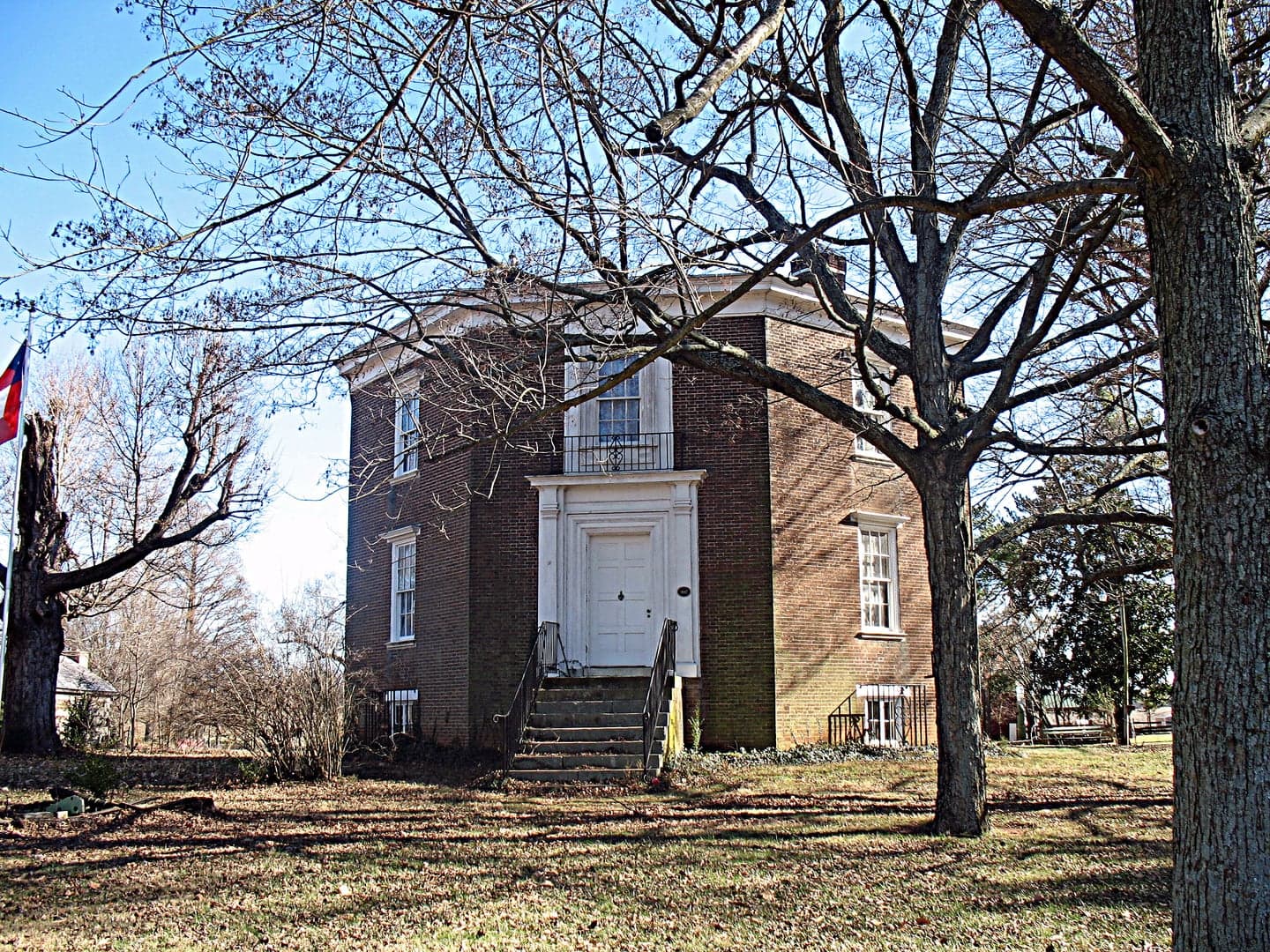
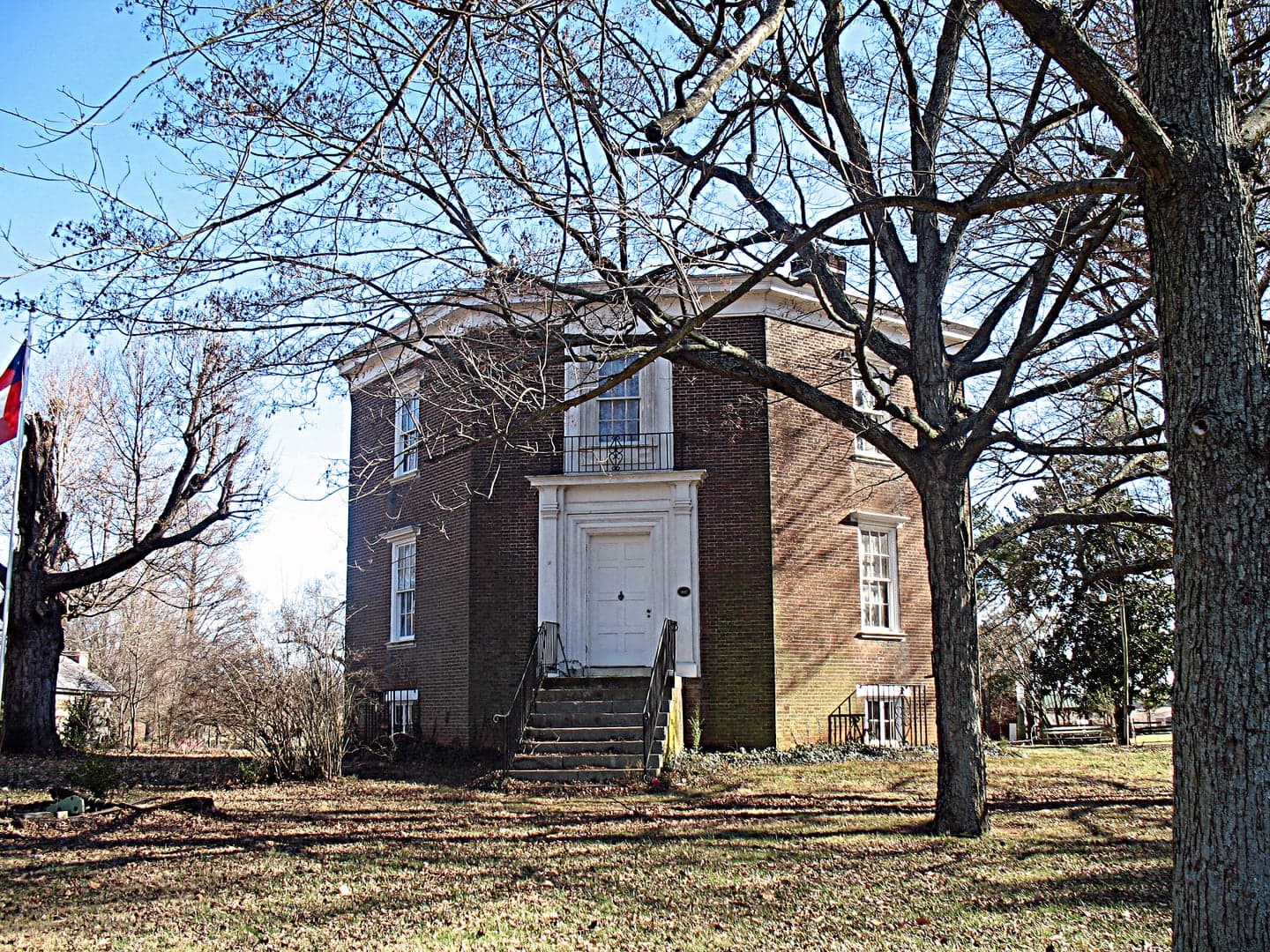
Built between roughly 1803 and 1806, the brick Georgian house at 578 West Main Street began life as a tavern and inn known as The Sign of the Green Tree, operated by William Palmateer. In May 1832, Lexington merchant and politician Robert Smith Todd purchased the property and converted it into a fourteen-room family residence with double parlors, a wide central hall, and a long rear ell.
Mary Todd was thirteen years old when the family moved in. She lived there until 1839, when she left to join her sister Elizabeth Edwards in Springfield, Illinois — the move that led directly to her introduction to Abraham Lincoln, whom she married in 1842. Mary returned to the Lexington house several times after her marriage, including a documented 1847 visit during which Abraham Lincoln stayed in the home for roughly three weeks.
The Todd household held enslaved people during Mary's time in the house, a fact the museum interprets directly through guided tours and on-site programming. Robert S. Todd was a Whig politician and a complicated figure on slavery — opposed to its expansion but a slaveholder throughout his life. The historic site does not romanticize this period; it presents the lives of the enslaved Todd household members as part of the building's full record.
After the Todd family sold the property in 1849, the building passed through commercial uses, including a grocery and a brothel, before falling into significant disrepair. A campaign led by Beula C. Nunn and the Kentucky Mansions Preservation Foundation acquired and restored the structure in the 1970s. It opened to the public as a house museum on June 9, 1977 — the first historic site in the United States honoring a First Lady. The collection includes furnishings, portraits, and personal items from both the Todd and Lincoln families.
Sources
- https://en.wikipedia.org/wiki/Mary_Todd_Lincoln_House
- https://www.mtlhouse.org/about
- https://savingplaces.org/places/mary-todd-lincoln-house
ApparitionSensed presence
The Mary Todd Lincoln House regularly appears on Lexington-area roundups of the city's most haunted addresses, and the lore is concentrated on a single figure: a wispy, indistinct female apparition described as an older woman, identified in local accounts as Mary Todd Lincoln herself. According to the Lexington Herald-Leader's haunted-locations coverage and other Lexington publications, the figure has been observed by both visitors and museum staff over the decades.
The interpretive frame for the lore is Mary's documented grief. She outlived her husband, who was assassinated beside her in 1865, and three of her four sons: Eddie (died 1850), Willie (died 1862), and Tad (died 1871). Mary's well-documented practice of holding seances in the White House — an attempt to reach Willie after his death — is part of the historical record, not folklore. The ghost story that has attached to her childhood Lexington home reads as a folk extension of that grief: she returns to the rooms where she was last a daughter rather than a widow.
Beyond the central apparition, the lore is comparatively quiet — no poltergeist activity, no destructive incidents, no documented investigations producing widely publicized findings. The reports cluster around a sensed presence and the occasional visual sighting, framed by writers as a search rather than a haunting in the more aggressive sense. Visitors interested in the story should note that no contemporary primary-source documentation (newspaper clippings from the 19th century, museum logbooks made public, formal investigation reports) underpins the apparition reports; the lore is a 20th- and 21st-century oral tradition collected by local journalists.
Notable Entities
Mary Todd Lincoln