Drive-By
Frozen Creek Valley Drive
A self-directed drive along Frozen Creek through the Vancleve community, where interpretive history of the 1939 flash flood and the rebuilt Bible college can be appreciated from the road.
- Duration:
- 45 min
HauntBound archive · catalog record
Reported phenomena, as catalogued
The narrow Breathitt County valley where a 1939 flash flood killed 52 people and destroyed a mountain Bible school; visitors report children's cries near the ruins.
Frozen Creek Road (KY-1110 vicinity), Vancleve, KY 41385
Research updated May 2026
Age
All Ages
Cost
Free
No formal site or admission; the creek and surrounding rural roads are publicly visible.
Access
Limited Access
Rural creek valley with narrow mountain roads; uneven ground near the water.
Equipment
Photos OK
Est. 1939 · One of the deadliest flash floods in Kentucky history (79 deaths across 21 counties) · Destruction and rebuilding of the Kentucky Mountain Bible Institute / College · Documented by the National Weather Service and Breathitt County historical records
Frozen Creek is a tributary stream and small mountain community in northern Breathitt County, Kentucky, centered on the settlement of Vancleve near the county seat of Jackson. The valley is steep and narrow, the kind of Appalachian hollow where heavy rain has nowhere to go but down the creek bed in a hurry.
During the overnight hours of July 4 into July 5, 1939, a cloudburst stalled over the headwaters of Frozen Creek. The National Weather Service estimates up to nine inches of rain fell in a short period over northern Breathitt County. At roughly 3:30 a.m. on July 5, a wall of water reported to be as much as twenty to twenty-two feet tall surged down the constricted valley through the Wilhurst and Vancleve areas, with most of the rise arriving in as little as fifteen minutes, giving sleeping families almost no warning.
The American Red Cross reported that the flooding affected 21 counties in eastern Kentucky and claimed 79 lives in all: 52 in Breathitt County, 25 in Rowan County, and 2 in Lewis County. Property losses were enormous. In the Frozen Creek area alone, 44 houses and 60 barns were swept away, and the Kentucky Mountain Bible Institute, a faith-based mountain school, was completely destroyed. Governor A.B. "Happy" Chandler called it probably the worst calamity of its kind ever to visit Kentucky.
The Bible school did not vanish from the community. On October 20, 1939, it reopened on a new three-acre campus donated by Mr. and Mrs. Fred Fletcher, this time situated well above the flood plain. That institution survives today as Kentucky Mountain Bible College, an active campus in Vancleve, and the rebuilt school stands as the most visible legacy of the disaster.
The Frozen Creek flood remains one of the deadliest flash-flood events in Kentucky history, commemorated locally each summer and documented in county histories, oral-history collections, and several books.
Sources
The catastrophic loss of life at Frozen Creek, particularly the destruction of a mountain school that housed young students and staff, has fed a durable haunting tradition tied directly to the 1939 disaster. According to regional ghost-lore collections such as Paranormally Correct and the Scary Stories from Kentucky and Haunted Hollers podcasts, visitors to the creek and the area of the destroyed Bible school report hearing the cries and laughter of children carried on the night air, said to be the spirits of those who perished in the floodwaters.
The Shadowlands Haunted Places Index records that the site "was once a school/church before the flood" and that "you can hear children's cries" there. Later retellings expand the lore to include glowing orbs, phantom footsteps, and the cry of a woman searching for a lost child along the creek bank.
These accounts are folkloric and anecdotal rather than documented investigation, and the precise ruins referenced in the lore are not the same as the active modern Kentucky Mountain Bible College campus, which sits on higher ground rebuilt after the flood. Visitors should treat the area as a place of genuine tragedy and remembrance rather than a thrill-seeking destination.
Notable Entities
A self-directed drive along Frozen Creek through the Vancleve community, where interpretive history of the 1939 flash flood and the rebuilt Bible college can be appreciated from the road.
Some links on this page may earn HauntBound a small commission when you book, at no extra cost to you. Our editorial picks are independent. Full disclosure
Every HauntBound history is researched from documented sources. We clearly separate verified historical fact from paranormal folklore.
Free Guide
11 verified stops, rated for families, mapped in order. Free.
One email to confirm, then the guide link. Unsubscribe anytime.
Boyertown, PA
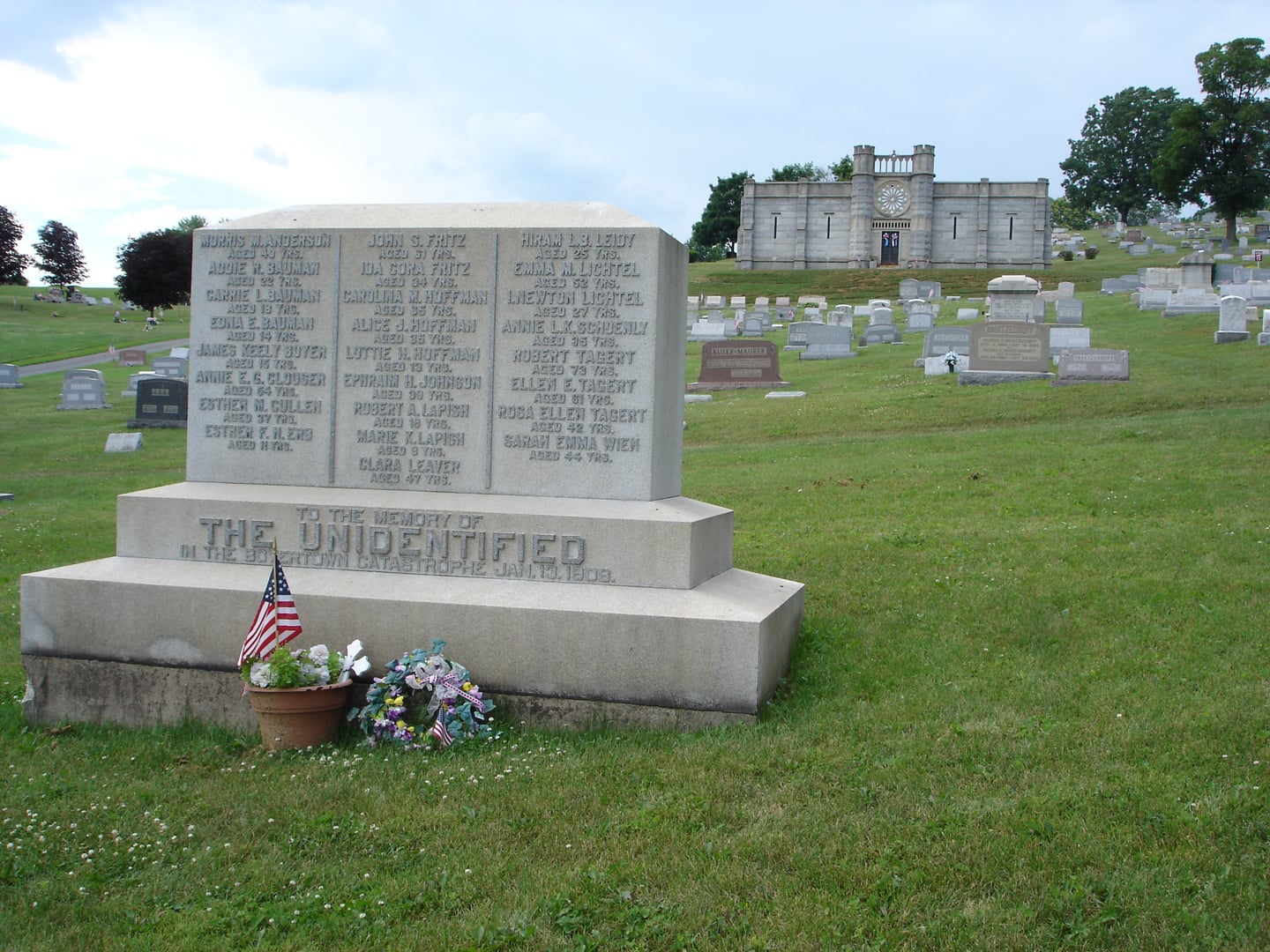
On January 13, 1908, fire broke out during a stage play sponsored by St. John's Lutheran Church at the Rhoads Opera House on the second floor of a Boyertown building. Of roughly 400 people present, 171 were killed, making it one of the deadliest fires in Pennsylvania history. The disaster led directly to Pennsylvania's first statewide fire-safety law in 1909.
Elfrida, AZ
The property operated as the Cochise Guest Lodge and Ranch, a dude ranch in Arizona's remote Sulphur Springs Valley. On December 3, 1977, ranch hand James Dean Clark killed four people — ranch owners Charles and Mildred Thumm and two fellow wranglers, Gerald McFerron and George Martin — in a spree that ended with his arrest in El Paso. Clark was convicted of four counts of first-degree murder in 1978 and executed by the State of Arizona on April 14, 1993. The property was subsequently acquired by VisionQuest National, a youth rehabilitation organization founded in 1973, which operates it as a residential program to this day.
Fort Myers, FL
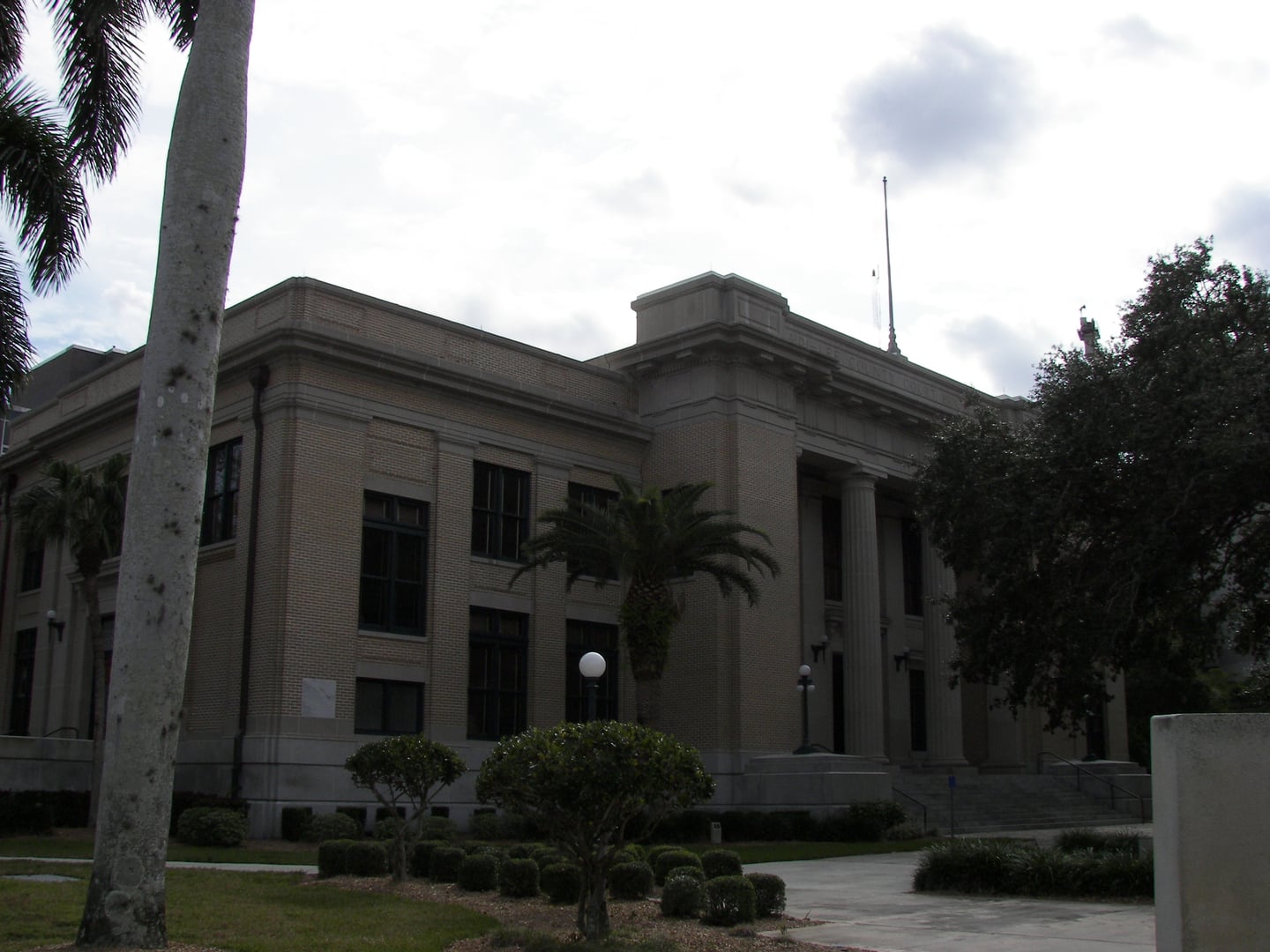
Architect Francis J. Kennard designed the Lee County Courthouse, and its cornerstone was laid on April 13, 1915. The Classical Revival building served as the county seat from its completion until 1984. Among the trials held here were the first death-penalty proceedings in Lee County history. It was added to the National Register of Historic Places on March 16, 1989, and today houses county offices including the Lee County Board of Commissioners.