Racial Terror Lynching History · Last Public Execution in US History (Rainey Bethea, 1936) · Reconstruction and Post-Reconstruction Violence · Daviess County Civil War History
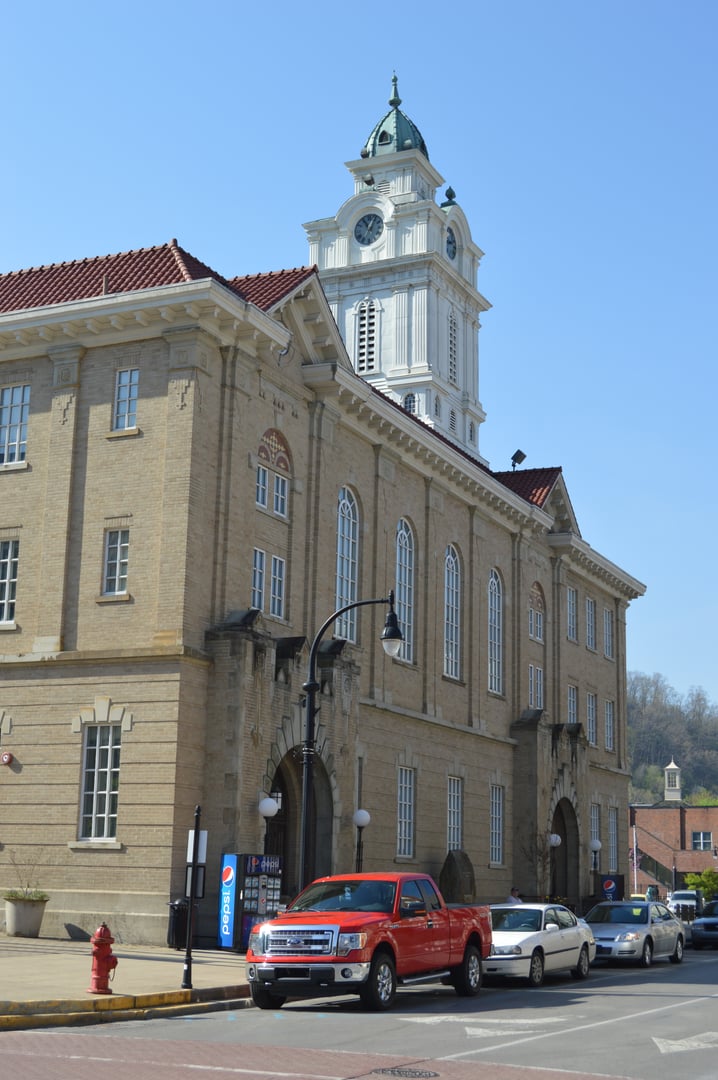
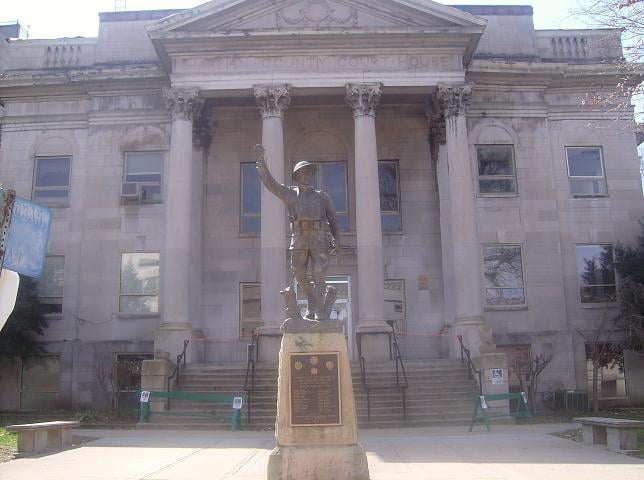
The Daviess County Courthouse at 212 St Ann Street stands in Owensboro's civic core, and its grounds carry the weight of documented racial violence spanning from Reconstruction through the late 1930s. The Daviess County historical record, preserved by the Western Kentucky Genealogy and History Society, documents lynchings of Black men on courthouse-adjacent trees during the post-Reconstruction and early 20th-century periods — a pattern common across Kentucky and the broader American South during the era of racial terror lynching.
The most documented event at the courthouse grounds is the 1936 public execution of Rainey Bethea, a young Black man convicted of rape and murder in Daviess County. On the morning of August 14, 1936, an estimated 20,000 people gathered in Owensboro to witness the hanging — carried out at a scaffold erected in a lot near the courthouse. The event drew national press attention in part because the hanging was performed by Sheriff Florence Thompson, a woman, which was considered notable at the time. The spectacle of the crowd and the carnival atmosphere reported by journalists prompted public outcry nationally about the practice of public execution. Bethea's execution is recorded as the last public execution carried out in the United States.
The Clio historical database and local historical sources document the Bethea execution site and its proximity to the courthouse grounds. Local ghost tours have incorporated the courthouse area into their routes, citing both the documented history of violence and reported apparitions of Union soldiers on the grounds — figures that may reference the Civil War-era military presence in Owensboro during the conflict.
Sources
- https://wckyhistory-genealogy.org/wp-content/uploads/2024/09/Lynchings-in-Daviess-County.pdf
- https://theclio.com/entry/11535
- https://www.owensboroliving.com/features/the-haunts-of-owensboro/
Apparitions of Union soldiers on courthouse grounds
Ghost tour accounts of the Daviess County Courthouse grounds focus primarily on apparitions described as Union soldiers, reflecting Owensboro's position as a contested and occupied city during the Civil War. The soldiers appear on the exterior grounds and are not linked by available sources to the documented history of racial violence at the site — they represent a separate, older layer of the site's history.
The more consequential history is the documented one: lynchings occurring on courthouse-adjacent property over a span of decades, and the 1936 public hanging of Rainey Bethea in a lot nearby. Bethea's execution drew a crowd so large that the event became a national story about American spectacle and public violence. Journalists at the scene described vendors, festive behavior, and jostling for position among spectators — a characterization that proved deeply embarrassing in subsequent national press coverage and helped end the practice of public execution in the United States.
Visitors to the courthouse grounds today encounter a functioning civic space with no markers or monuments to either the lynching history or the Bethea execution site. The absence of any formal acknowledgment makes the ghost tour circuit the primary mechanism by which these events remain in public memory in Owensboro.
Notable Entities
Rainey BetheaUnion soldiers (apparitions)