Overnight Stay Booking Required
Overnight Stay at The Campbell House
Stay overnight at the historic Campbell House hotel, a Lexington landmark with equestrian-themed decor and full hospitality amenities.
- Cost:
- Contact hotel for rates
- Days:
- Daily
HauntBound archive · catalog record
Reported phenomena, as catalogued
+ 2 further entries on record
Historic 1951 hotel with paranormal reputation tied to alleged 1960s murders
1375 South Broadway, Lexington, KY 40504
Research updated May 2026
Age
All Ages
Cost
$$
Hotel lodging rates vary; call for current pricing
Access
Wheelchair OK
Historic hotel with modern elevator
Equipment
Photos OK
Est. 1951 · Lexington Tourism History · 1950s Architecture · Hotel Heritage
The Campbell House was built in 1951, the vision of founder Ralph Campbell, whose name it still carries. The hotel was designed to serve the growing tourism and business travel market in Kentucky's horse country. In 1968, Lexington businessman Kilbern Cormney took ownership and expanded the property over the following decades. The property's equestrian connections and architectural significance positioned it as a prominent Lexington landmark.
The original concept evolved around the city's reputation as the center of the American thoroughbred racing industry. Lexington, home to Keeneland Race Course and numerous horse farms and breeding operations, attracted national and international visitors. The Campbell House positioned itself as a luxury hospitality venue serving this market.
The hotel operated through the 1960s and beyond, maintaining its role as a significant Lexington hotel property. According to local accounts, the property experienced a dark incident during the late 1960s involving two women. However, the specific historical documentation of these alleged incidents is not preserved in available archival sources, newspaper records, or official documentation.
The building has undergone various ownership and management changes. It is now operated as a Curio Collection by Hilton property under the Campbell House brand, maintaining its historic identity while providing modern hospitality services.
Sources
The Campbell House has become one of Lexington's most documented paranormal locations based on allegations of violent deaths and subsequent supernatural activity. The primary legend centers on two women whose deaths allegedly occurred on the premises during the late 1960s.
According to the account most frequently cited in paranormal literature, one woman was stabbed to death on the hotel's main staircase. Visitors and staff reportedly have observed a persistent bloodstain on the staircase carpet at the location where this alleged stabbing occurred. The stain's presence has been cited as physical evidence of the historical trauma, though documentation of the original incident remains absent from newspaper archives and official records.
The second alleged murder involved a woman shot in one of the third-floor guest rooms. This detail less frequently appears in contemporary accounts, with primary focus remaining on the staircase stabbing and associated phenomena.
Paranormal reports from guests and staff document various phenomena throughout the hotel. Doors in third-floor guest rooms frequently open and slam by themselves, with reports suggesting an autonomous quality inconsistent with mechanical failure. Some guest accounts describe sleep paralysis episodes and nocturnal disturbances. Visitors have reported seeing a tall man dressed in Victorian or dark clothing walking through hotel corridors and vanishing from view—identified by some sources as Kilbern, a previous hotel owner or manager.
A woman's voice has been reported in the basement area, allegedly whispering "help me," though the identity and historical connection of this entity remain undocumented. Unexplained flickering of lamps accompanied by buzzing sounds has been documented by multiple guests. Objects, particularly curtain rods, have allegedly fallen without apparent mechanical cause.
The hotel maintains guest comment books and has documented 26+ paranormal-related reviews. However, the absence of documented historical records, newspaper accounts, or official investigation reports concerning the alleged 1960s murders creates a significant gap between the paranormal reputation and historical verification. Local legend and guest experiences constitute the primary source material for the Campbell House's paranormal narrative.
Notable Entities
Media Appearances
Stay overnight at the historic Campbell House hotel, a Lexington landmark with equestrian-themed decor and full hospitality amenities.
Some links on this page may earn HauntBound a small commission when you book, at no extra cost to you. Our editorial picks are independent. Full disclosure
See current room rates and availability at The Campbell House.
Check rates and bookRates come from booking partners, so a small property may not be listed. Book direct with The Campbell House
Every HauntBound history is researched from documented sources. We clearly separate verified historical fact from paranormal folklore.
Free Guide
11 verified stops, rated for families, mapped in order. Free.
One email to confirm, then the guide link. Unsubscribe anytime.
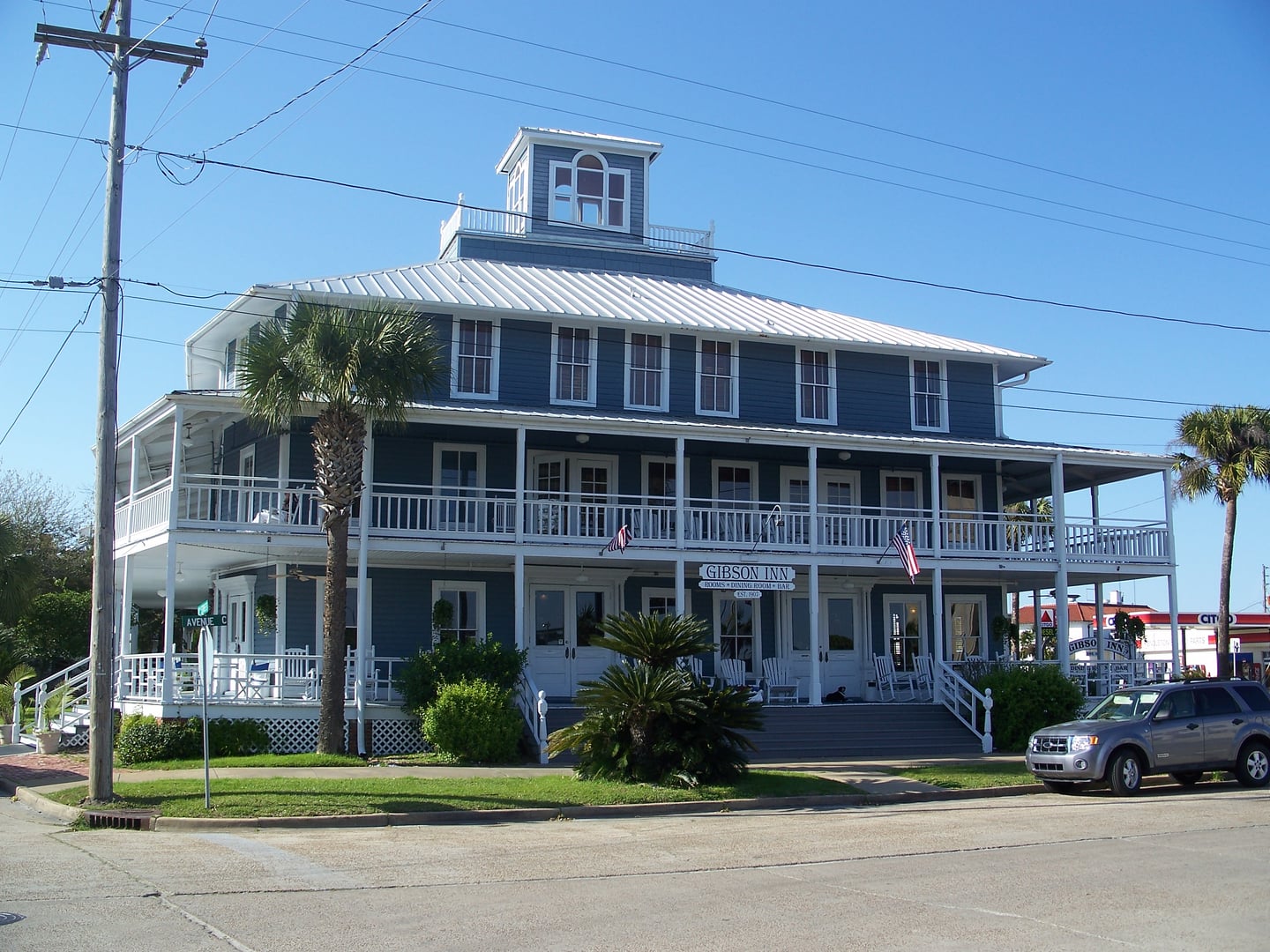
Apalachicola, FL
The Gibson Inn was built in 1907 as the Franklin Hotel at the height of Apalachicola's lumber and shipping trade. Sisters Annie Gibson Hayes and Mary Ellen Gibson purchased and renamed it in 1923. During World War II, the U.S. Army requisitioned it as officers' quarters near Camp Gordon Johnston. It is listed on the National Register of Historic Places.
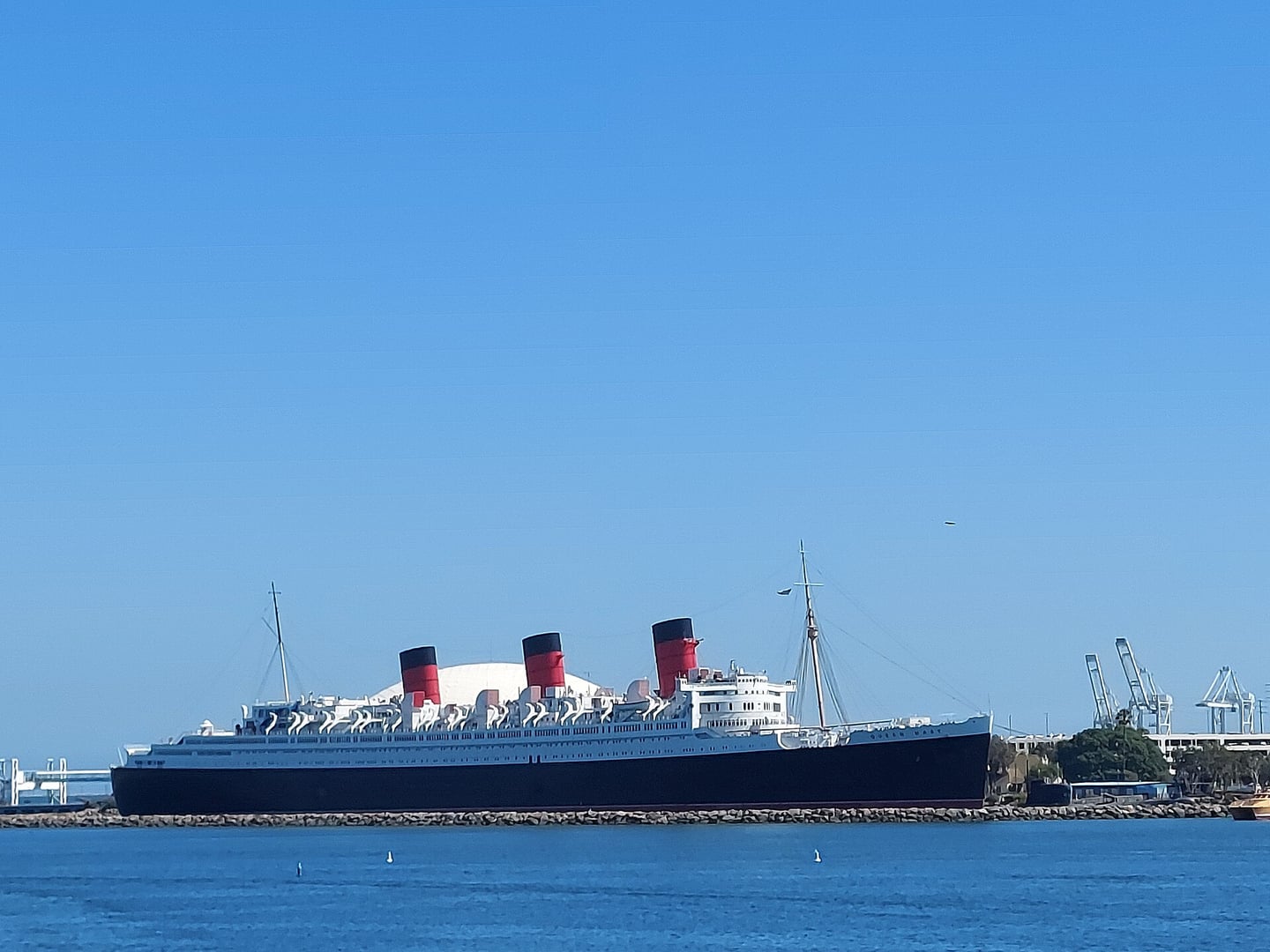
Long Beach, CA
The RMS Queen Mary was constructed at John Brown & Company's Clydebank shipyard beginning in 1930, launched September 26, 1934, and sailed her maiden voyage on May 27, 1936. Requisitioned as a troopship in 1939, she carried 810,000 soldiers under the nickname 'The Grey Ghost.' The ship has been permanently moored in Long Beach, California since December 1967.
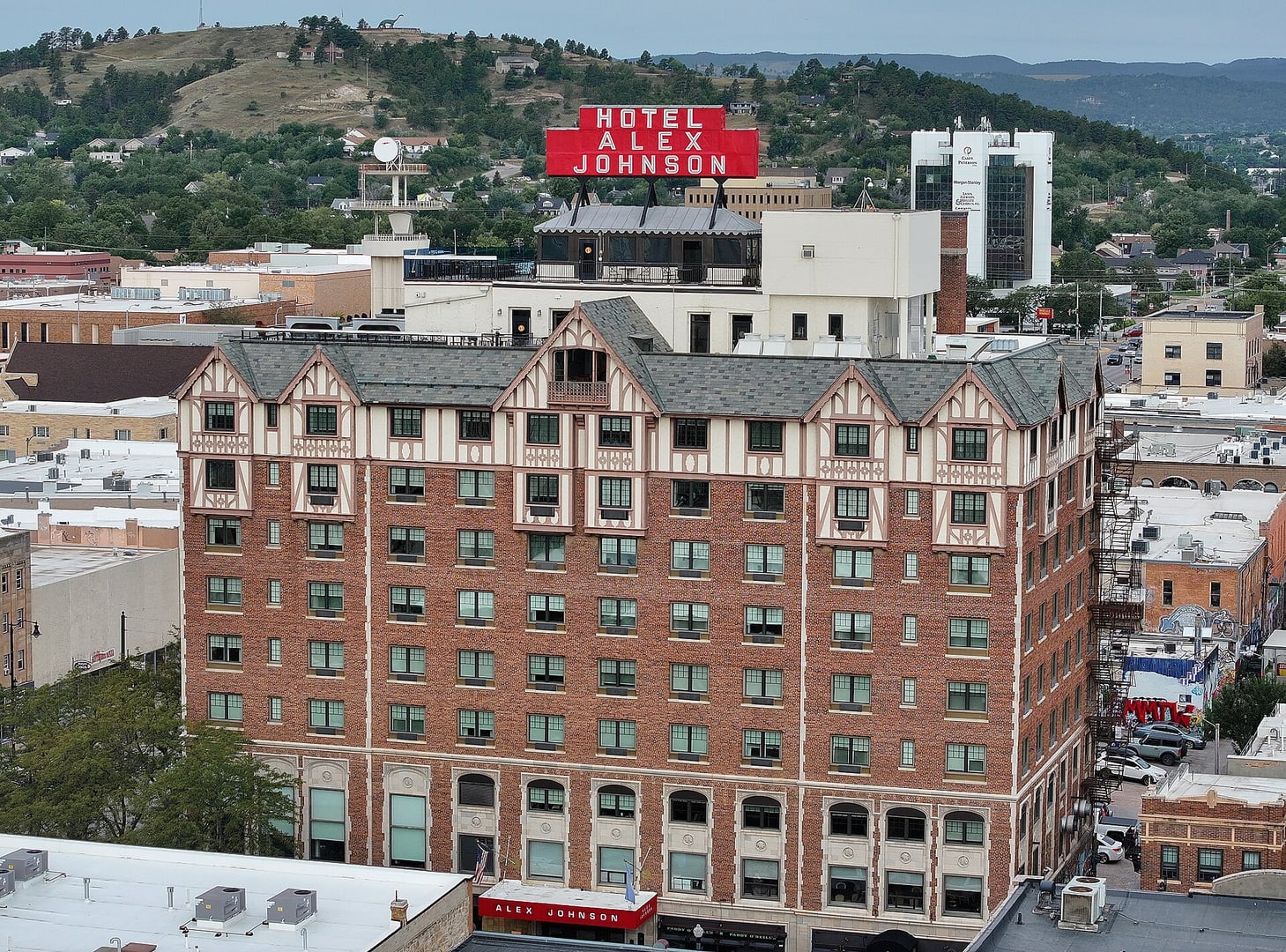
Rapid City, SD
The Hotel Alex Johnson began construction in 1927 and opened July 1, 1928, in downtown Rapid City as the vision of Alex Carlton Johnson. The Art Deco masterpiece represents early 20th-century hospitality luxury, featuring architectural distinction and historical significance throughout the Black Hills region. Johnson himself operated the hotel until his death in 1938. The facility has remained continuously operational and is now part of the Curio Collection by Hilton.