Museum Visit
Daytime self-guided museum visit
Self-guided exploration of the Art Deco terminal, indoor aircraft and exhibit galleries, control tower, and outdoor flightline with vintage and military aircraft.
HauntBound archive · catalog record
Reported phenomena, as catalogued
+ 2 further entries on record
Art Deco terminal of the 1935 Wichita Municipal Airport, now an aviation museum where staff describe slamming doors, a pilot's ghost lingering near a vintage crop duster, and a figure in the control tower.
3350 S George Washington Blvd, Wichita, KS 67210
Research updated September 2026
Age
All Ages
Cost
$$
Museum admission: adults $10, seniors 60+ $9, children 4–12 $7, children 3 and under free. Paranormal-investigation event pricing is separate; check the museum's event page for current rates.
Access
Wheelchair OK
Paved museum grounds and historic terminal interior; some narrow stairs to upper floors and the control tower.
Equipment
Photos OK
Est. 1935 · Art Deco municipal airline terminal by Glen H. Thomas · Wichita's primary commercial airport 1935-1954 · Listed on the National Register of Historic Places (1990) · Anchor museum for Wichita's 'Air Capital' aviation heritage
Wichita Municipal Airport opened in 1929 as one of the first U.S. municipal airports designed to handle scheduled passenger flights. The Art Deco terminal building that survives today was designed by Wichita architect Glen H. Thomas and dedicated on March 31, 1935, replacing an earlier wood-and-iron passenger building. Construction began in June 1930 and resumed by 1934 after a stoppage. With its limestone exterior, central control tower, and stylized Streamline-era detailing, the terminal became one of the architectural landmarks of the prewar aviation industry in the central United States.
The field served as Wichita's primary commercial airport from 1935 until 1954, when commercial operations were relocated to the larger Mid-Continent (now Eisenhower) airport on the city's west side. During the Second World War, the site played a major role in U.S. military aviation logistics, including activity tied to the Boeing B-29 production lines that ringed Wichita.
After passenger service moved away, the terminal building was used for various civilian and military offices and slowly fell into disrepair. It was added to the National Register of Historic Places in 1990, and a nonprofit organization stood up the Kansas Aviation Museum in the building, restoring portions of the lobby, ticket counters, control tower, and upper-floor offices and assembling a collection of more than thirty historic aircraft, including a Boeing B-52 Stratofortress on outdoor display.
The Kansas Aviation Museum now serves as both a museum of the region's outsized contribution to U.S. aviation — Wichita is sometimes called the Air Capital — and as a working preservation project for one of the country's best-surviving early municipal airline terminals.
Sources
According to Visit Wichita, paranormal reports at the museum include slamming doors, voices, a pilot's ghost said to haunt a crop duster that crashed years earlier, a figure spotted in the control tower, and a woman's profile that appears at the third-floor north windows. Roadside America's haunted-listings entry and OnlyInYourState's coverage repeat the same pilot-and-crop-duster motif and add reports of old-fashioned music carrying through empty halls and an apparition wearing a 1940s-style hat.
The pilot story varies in detail across aggregators — some describe the haunted aircraft as a yellow crop duster, while Visit Wichita's framing calls it a red one — but the underlying claim is consistent: the pilot is said to have died in a crash and to have 'never left his plane.' We have not located a specific name or crash record tying a particular pilot to the aircraft now on display, and we frame the story as folklore rather than documented event history.
The museum embraces its reputation; it runs an ongoing series of after-hours public paranormal investigations and seasonal ghost-themed events that route investigators through the terminal lobby, the upper-floor offices, the control tower, and selected display aircraft.
Notable Entities
Self-guided exploration of the Art Deco terminal, indoor aircraft and exhibit galleries, control tower, and outdoor flightline with vintage and military aircraft.
The museum runs ticketed after-hours paranormal-investigation events, sometimes branded as 'Terminal of Terror,' 'Fright Flight,' or 'Ghosts of the KAM,' that allow guests to investigate the terminal, control tower, and selected aircraft. Guests may bring their own equipment, borrow from Wichita Paranormal Research Society, or observe.
Some links on this page may earn HauntBound a small commission when you book, at no extra cost to you. Our editorial picks are independent. Full disclosure
Every HauntBound history is researched from documented sources. We clearly separate verified historical fact from paranormal folklore.
Free Guide
11 verified stops, rated for families, mapped in order. Free.
One email to confirm, then the guide link. Unsubscribe anytime.
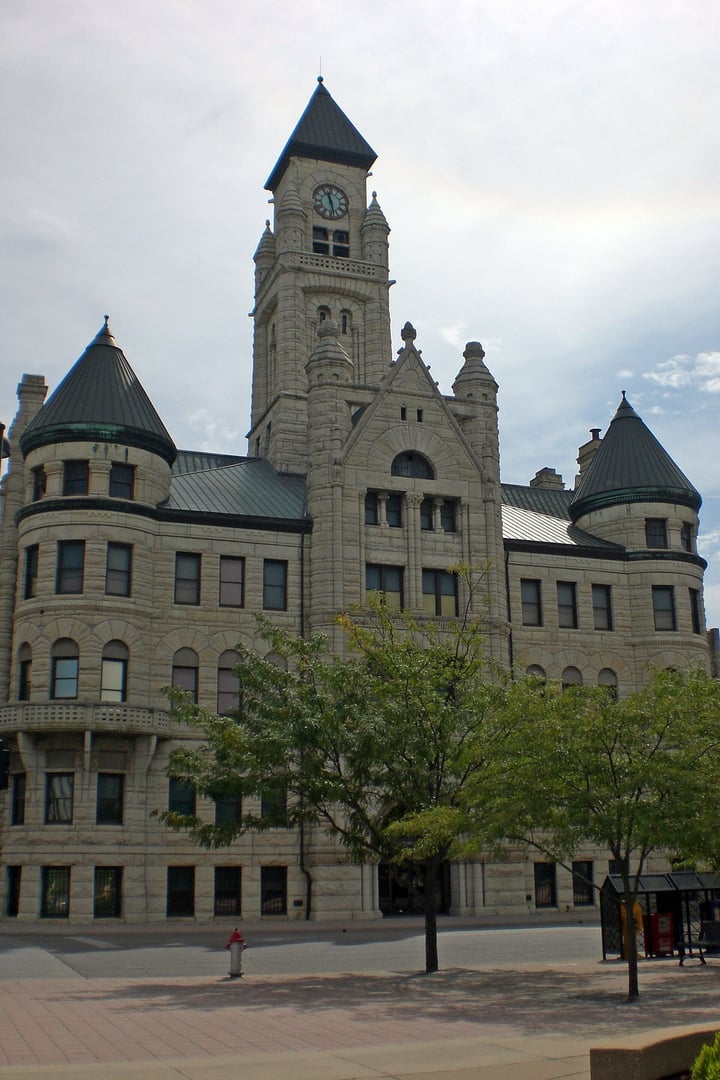
Wichita, KS
Designed by Proudfoot & Bird and completed in 1892 at a cost of about $100,000, the Romanesque limestone building was nicknamed the 'Palace of the Plains' and served as Wichita's City Hall from 1892 to 1976. After a new city hall was built nearby, the building was preserved and reopened in 1981 as the Wichita-Sedgwick County Historical Museum.
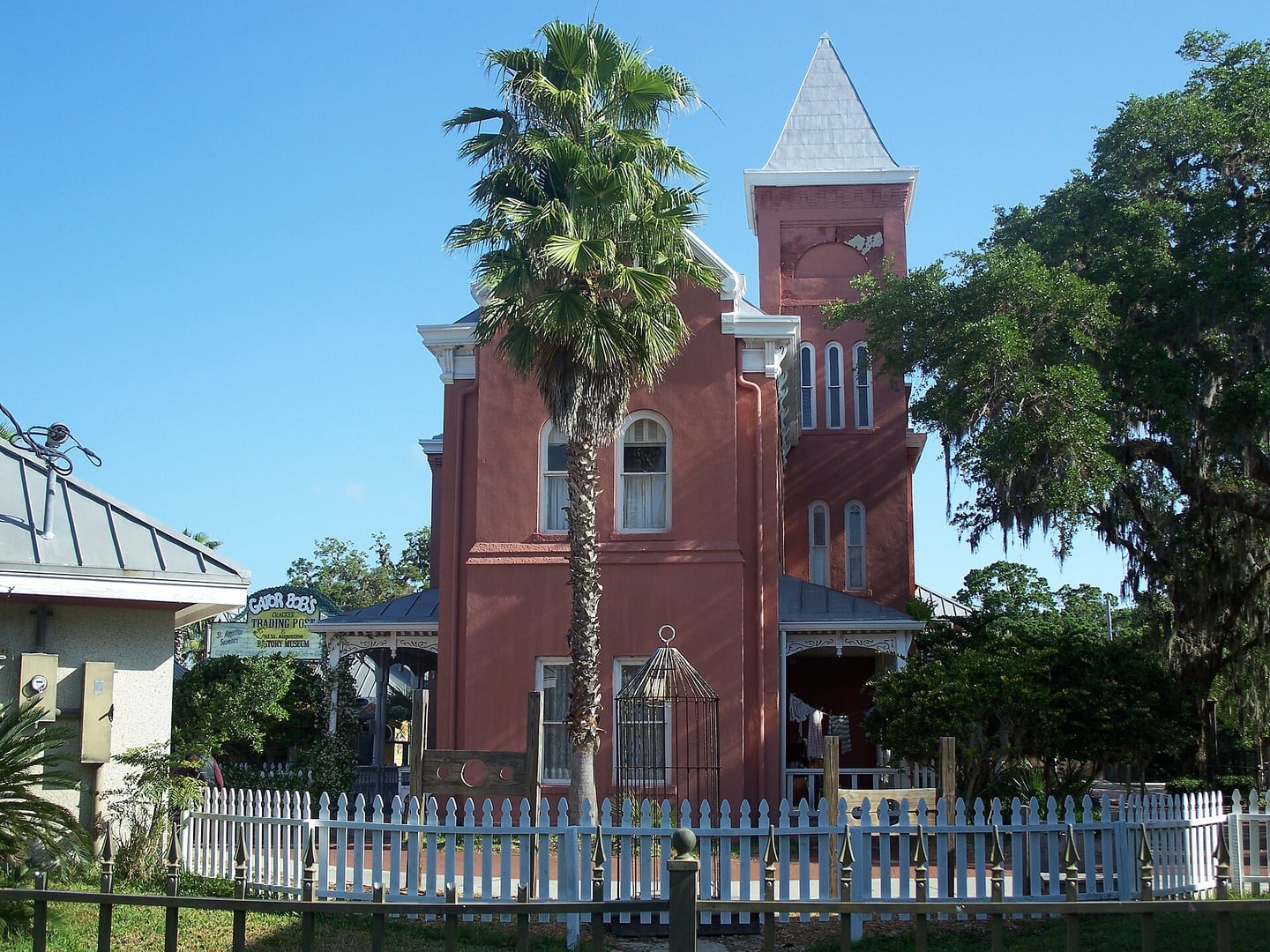
St. Augustine, FL
The Old St. Johns County Jail at 167 San Marco Avenue in St. Augustine, Florida was commissioned by railroad magnate Henry Flagler and constructed in 1891. Designed by the same architectural firm later used for Alcatraz, the facility housed prisoners under conditions so severe — one bucket per cell as a toilet, minimal diet, and labor in Flagler's fields — that it was closed in 1953. Eight documented executions occurred on site before the county converted the building to a tourist attraction in 1954.
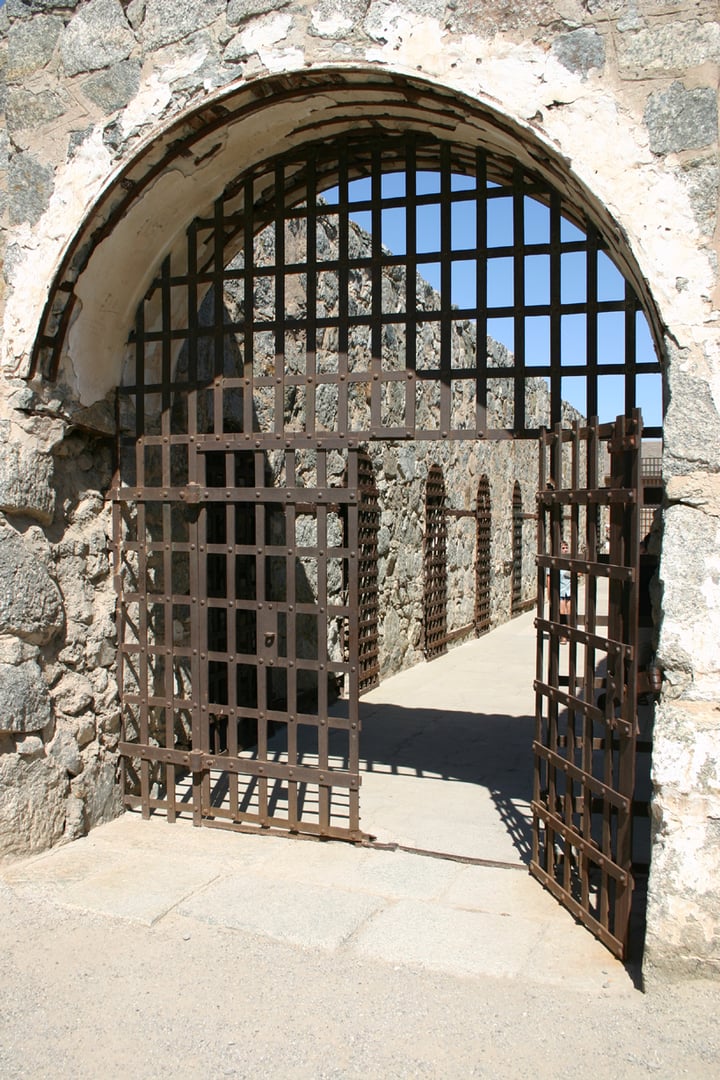
Yuma, AZ
Yuma Territorial Prison operated from 1876 to 1909 on a bluff overlooking the Colorado River in Yuma, Arizona. It held 3,069 prisoners during its 33-year operation, including 29 women. The facility became a state historic park and has been voted by USA Today readers as the Best Haunted Destination in the nation.