Est. 1889 · National Register of Historic Places (1972) · Indiana natural gas boom architecture · Queen Anne / Romanesque Revival design · Howard County Historical Society museum since 1970s
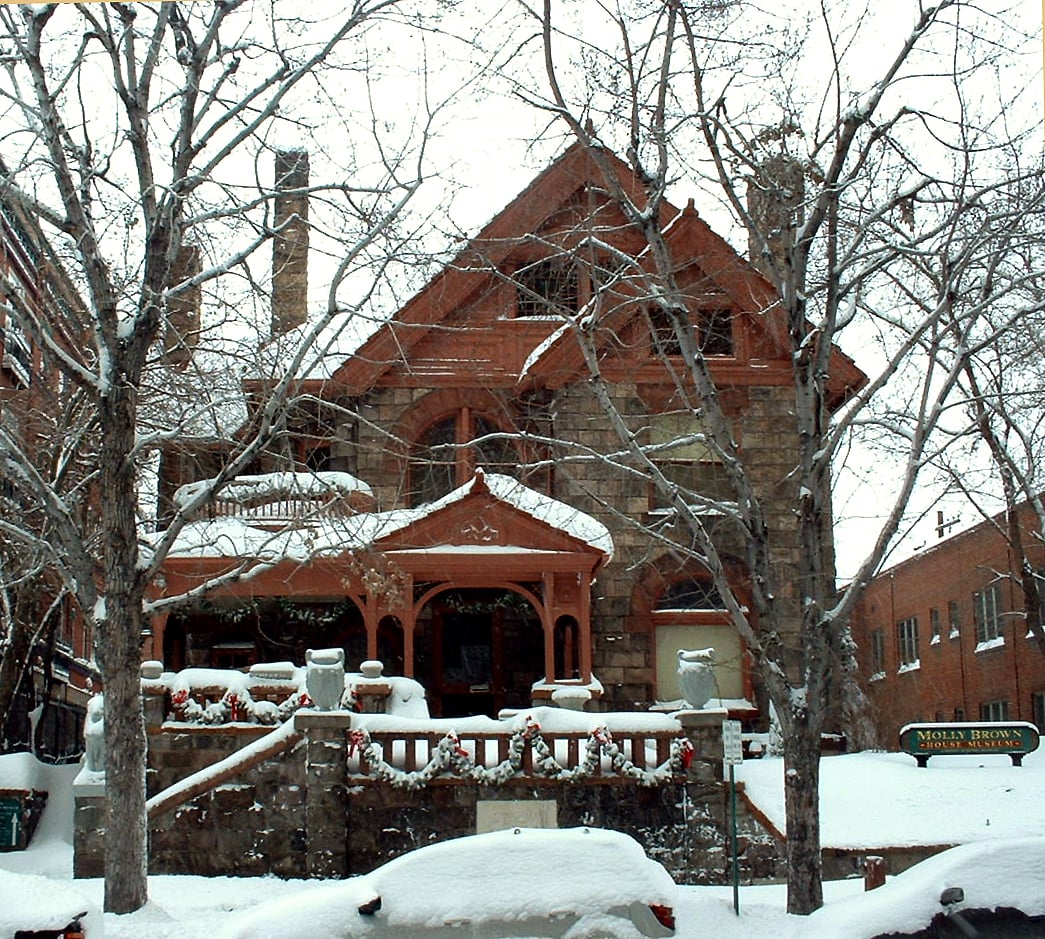
The Seiberling Mansion was built between 1889 and 1891 for Monroe Seiberling, a prosperous Kokomo businessman who had accumulated wealth during the Indiana natural gas boom of the late 1880s. The discovery of large natural gas deposits beneath central Indiana in the mid-1880s fueled a rapid economic expansion in cities like Kokomo, and the Seiberling Mansion reflects the ambition and prosperity of that era. The construction cost of $50,000 — a significant sum in 1891 — bought a Queen Anne and Romanesque Revival hybrid with elaborate woodwork, stained glass, and the kind of interior detailing that was fashionable among the Gilded Age merchant class.
The mansion is listed on the National Register of Historic Places, having received its designation in 1972. That listing recognized the building's architectural integrity and its significance as a document of Indiana's gas-boom prosperity. The Howard County Historical Society acquired the mansion and opened it as the Howard County Museum, preserving both the structure and its collections of county historical material.
The natural gas that drove Kokomo's late-19th-century prosperity was largely exhausted by the early 20th century, and the city's economic base shifted to automotive manufacturing — Kokomo is historically associated with early automobile production. The Seiberling Mansion persisted as a relic of the earlier gas-boom period, maintaining its Victorian character through its institutional use as a museum rather than residential renovation.
Sources
- https://howardcountymuseum.org/about/history-of-seiberling-mansion
- https://en.wikipedia.org/wiki/Seiberling_Mansion
- https://www.thekokomopost.com/articles/spookiest-places-in-amp-around-kokomo-part-ii
Full-body apparitionsWoman rocking in upstairs chairUnusual experiences in period rooms
The Seiberling Mansion's paranormal reputation centers on a specific image: a woman seen rocking in an upstairs chair. This account has been reported by both staff and visitors and recurs in local coverage of Kokomo's reportedly haunted sites. Unlike many haunting accounts that aggregate into a general atmosphere, the rocking-chair figure is a localized, consistent description that gives the Seiberling accounts a degree of specificity.
Full-body apparitions have also been reported in the mansion's period rooms — accounts that fit the pattern of well-preserved Victorian interiors where original furnishings and room arrangements make the imagination of previous occupants more immediate. The Kokomo Post's coverage of unusual experiences at local sites included the Seiberling Mansion among Kokomo's most frequently cited locations.
The mansion's dual function as an active museum creates conditions that differ from purely abandoned or rarely-visited haunted sites. Staff who work in the building regularly become a source of firsthand accounts, and visitors encountering the Victorian interior — with its original woodwork, stained glass, and period furniture — report experiences that seem shaped by the environment as much as by any specific documented history.