Prohibition Era History
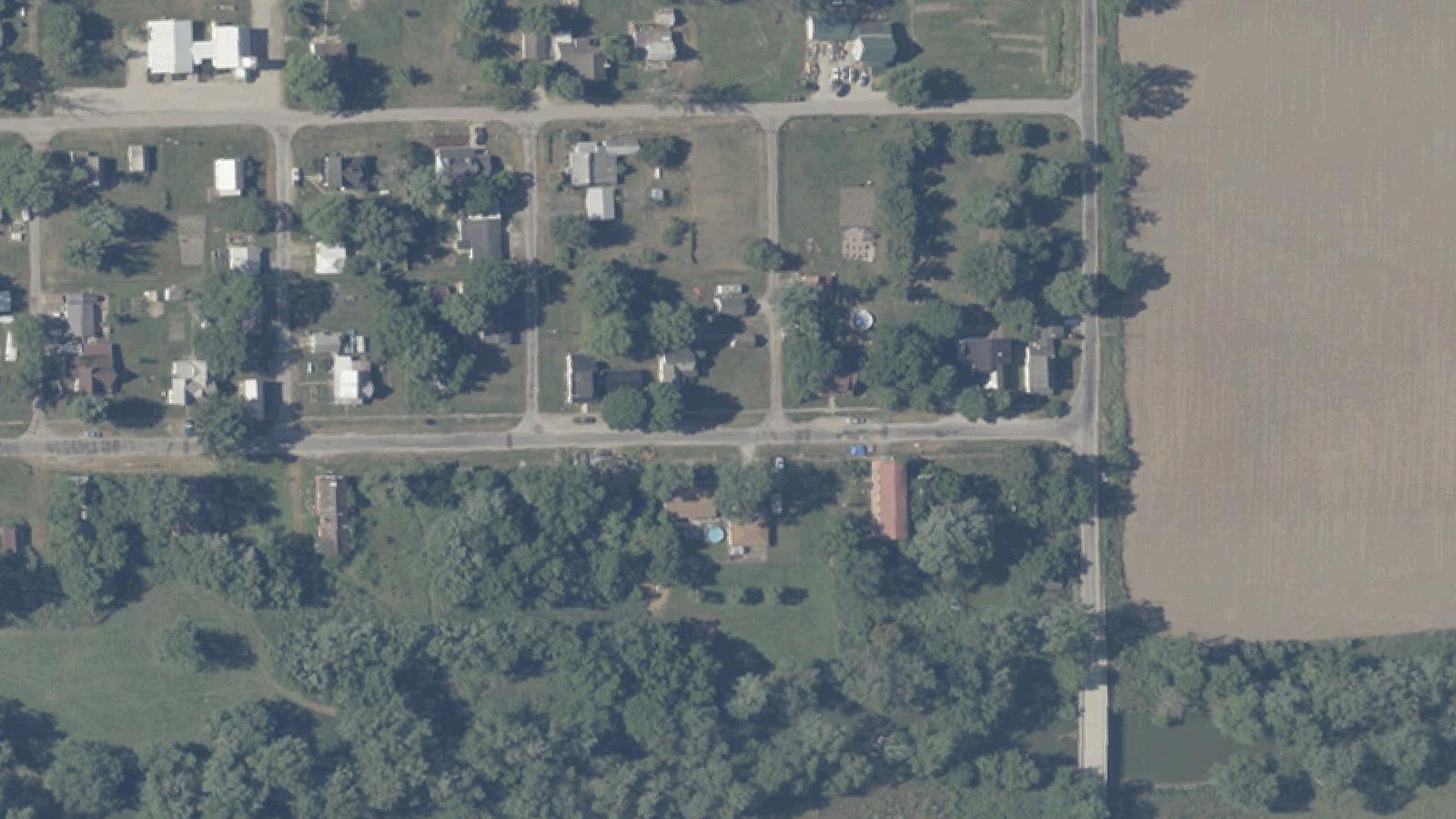
The area known locally as Devil's Bridge sits along County Line Road on the Porter County side of the Porter/LaPorte county border in northwestern Indiana. The wider region, including Michigan City and the Lake Michigan shoreline communities, was a documented corridor of Prohibition-era activity in the 1920s, when Chicago-area organized crime maintained bootlegging operations through the northwestern Indiana counties.
The specific claim attached to Devil's Bridge — that the area was used as a burial site for murder victims in the early 1920s — has not been corroborated by any available newspaper archive, historical society record, or archaeological investigation. The reported paranormal phenomena (orbs, visual anomalies, and the appearance of male figures who vanish) are consistent with the broader pattern of rural Midwest haunted road folklore that attaches prohibition-era crime narratives to bridges and isolated road sites.
Chaos Haunted and Historical Tours, a regional paranormal tour company, has included the Porter County area in its tour offerings, suggesting the site has maintained enough of a local reputation to merit organized visitation.
The Devil's Bridge legend belongs to a broader pattern of Indiana ghostlore documented across multiple counties, in which secluded bridges in Porter, Hendricks, and other counties accumulate narratives of accidents, hangings, or supernatural pacts. Porter County's history blog and Indiana Historical Bureau materials trace the development of these legends to the late nineteenth century, when isolated wooden and iron crossings over the Kankakee River system became fixed reference points in regional folklore.
Sources
- https://www.chaostrips.com/tours
- https://thisisindiana.angelfire.com/hauntedpalcesparticular.htm
- https://en.wikipedia.org/wiki/Indiana_ghostlore
- https://blog.history.in.gov/category/indiana-counties/porter-county/
OrbsApparitionsShadow figures
The folklore of Devil's Bridge rests on a Prohibition-era foundation: the claim that organized crime figures operating in the early 1920s used this isolated stretch of the Porter/LaPorte county line to bury murder victims in locations that remain undiscovered. The absence of found remains is not treated as disconfirming evidence in the local legend — instead, it reinforces the idea that something was carefully concealed.
Reported phenomena at the site include orbs — light anomalies captured in photography near the bridge — and what witnesses describe as images or figures that appear without warning and then are gone. The figures are described as male, adult, and associated with sudden appearance rather than the gradual materialization common to other apparition reports.
The site has also acquired a secondary reputation as a location for contemporary occult activity, which has contributed to its after-dark visitor traffic and complicated the distinction between paranormal folklore and the observable presence of organized groups using the location for their own purposes.
No historical archive or law enforcement record has confirmed any mass burial or murder associated with the specific location. The phenomenon category of "disappearing men" is documented in multiple accounts from the area.