Est. 1840 · Lake County Settlement History · Romani Folklore · Rural Indiana Cemetery
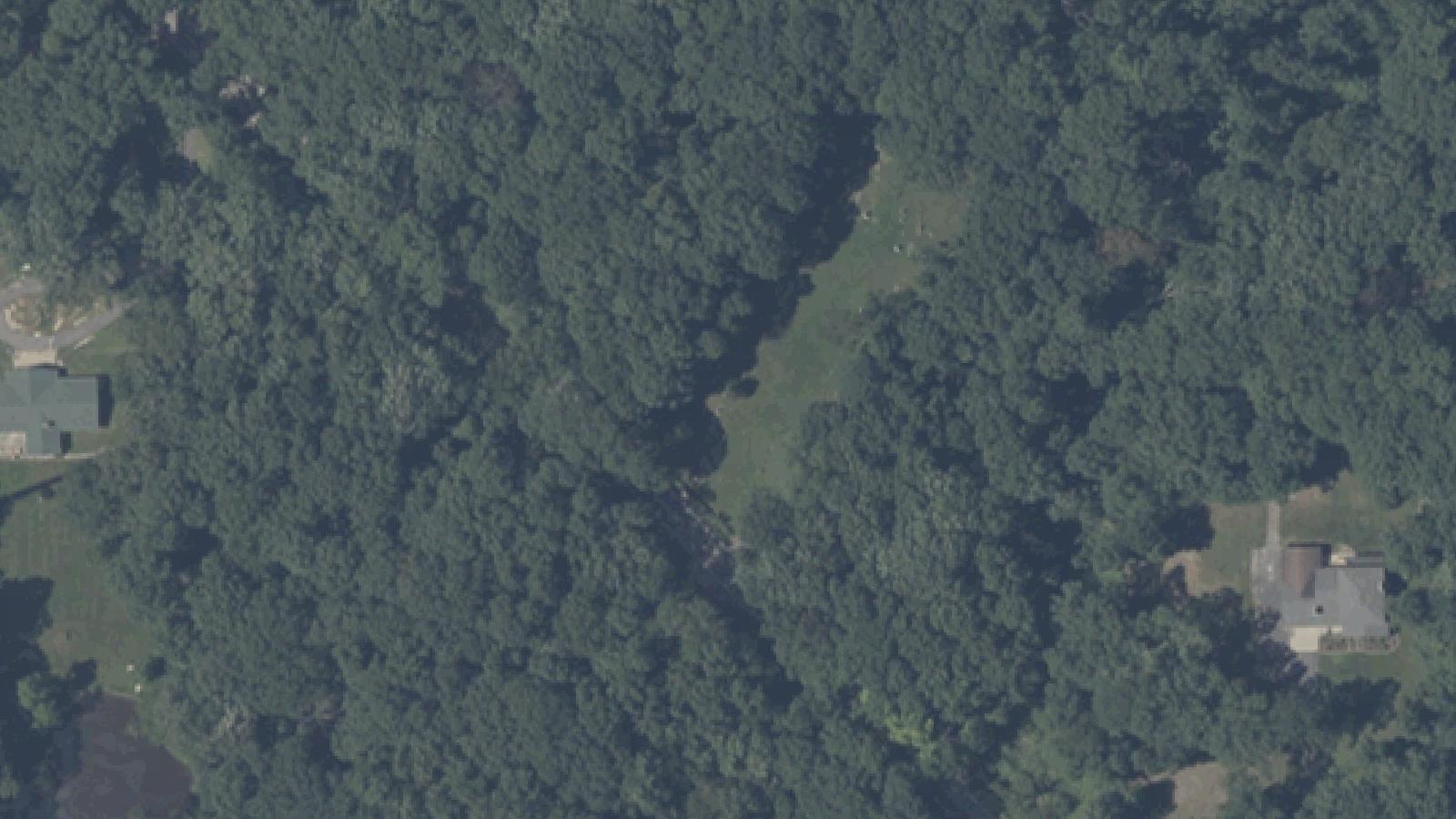
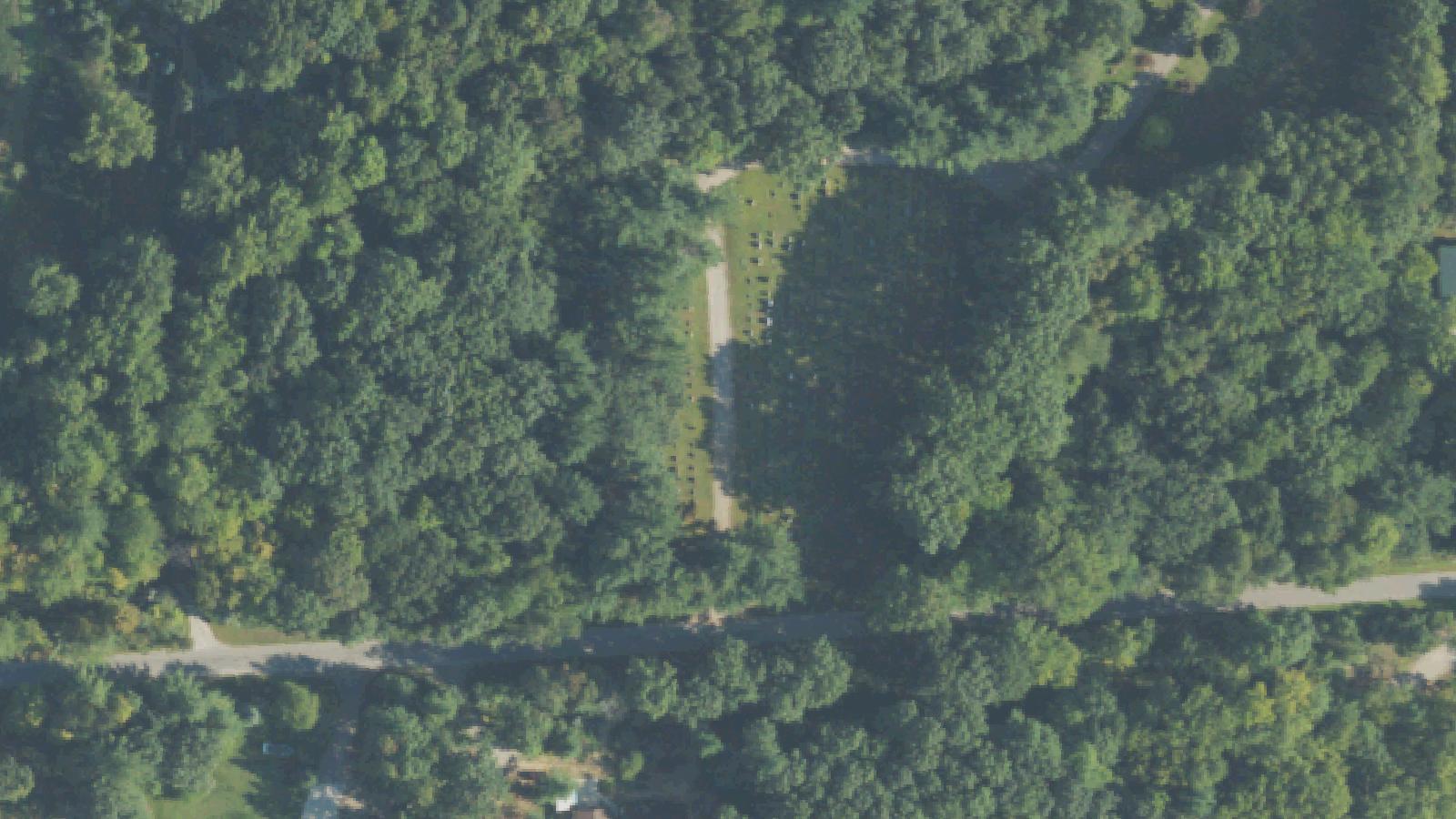
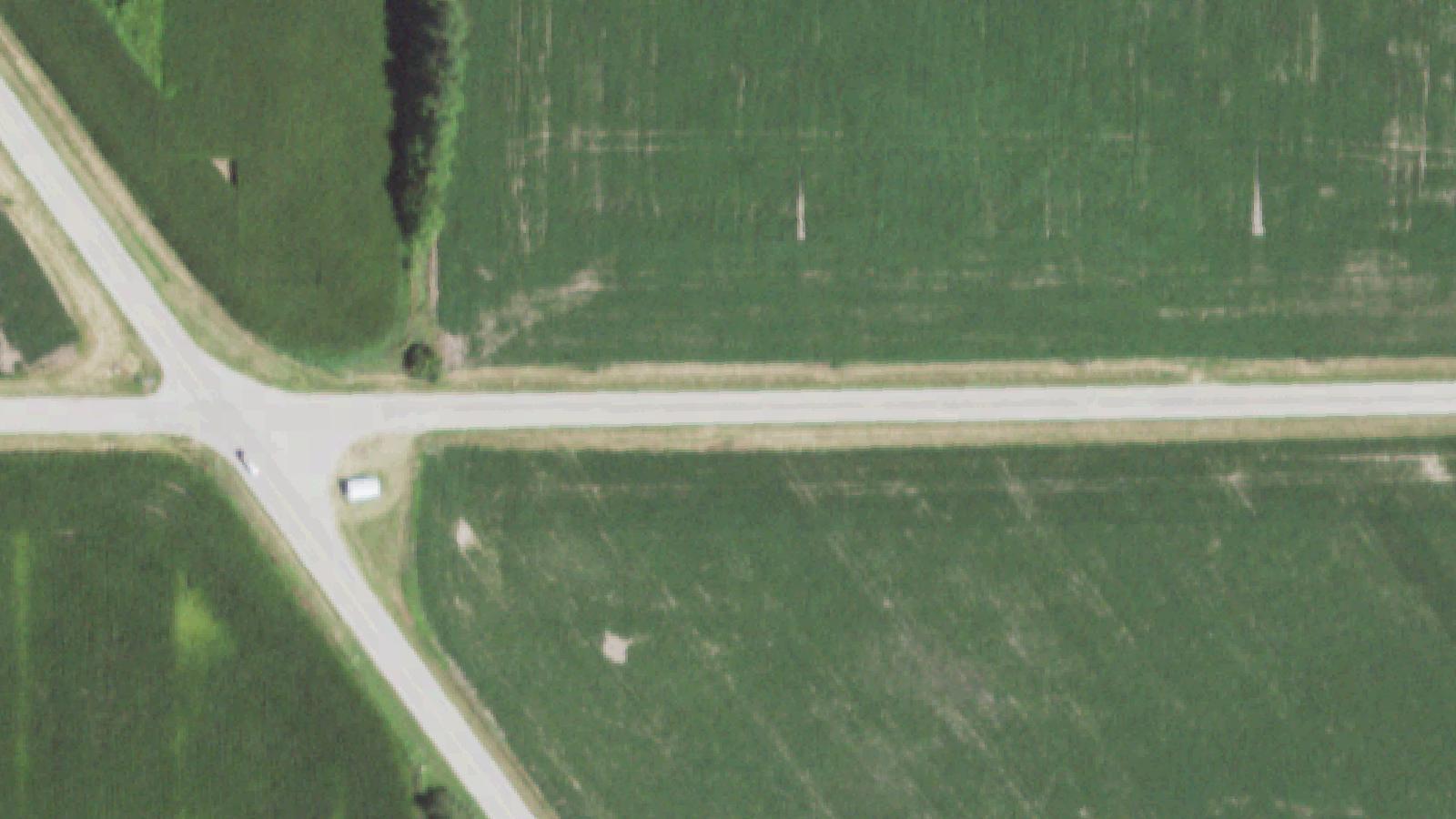
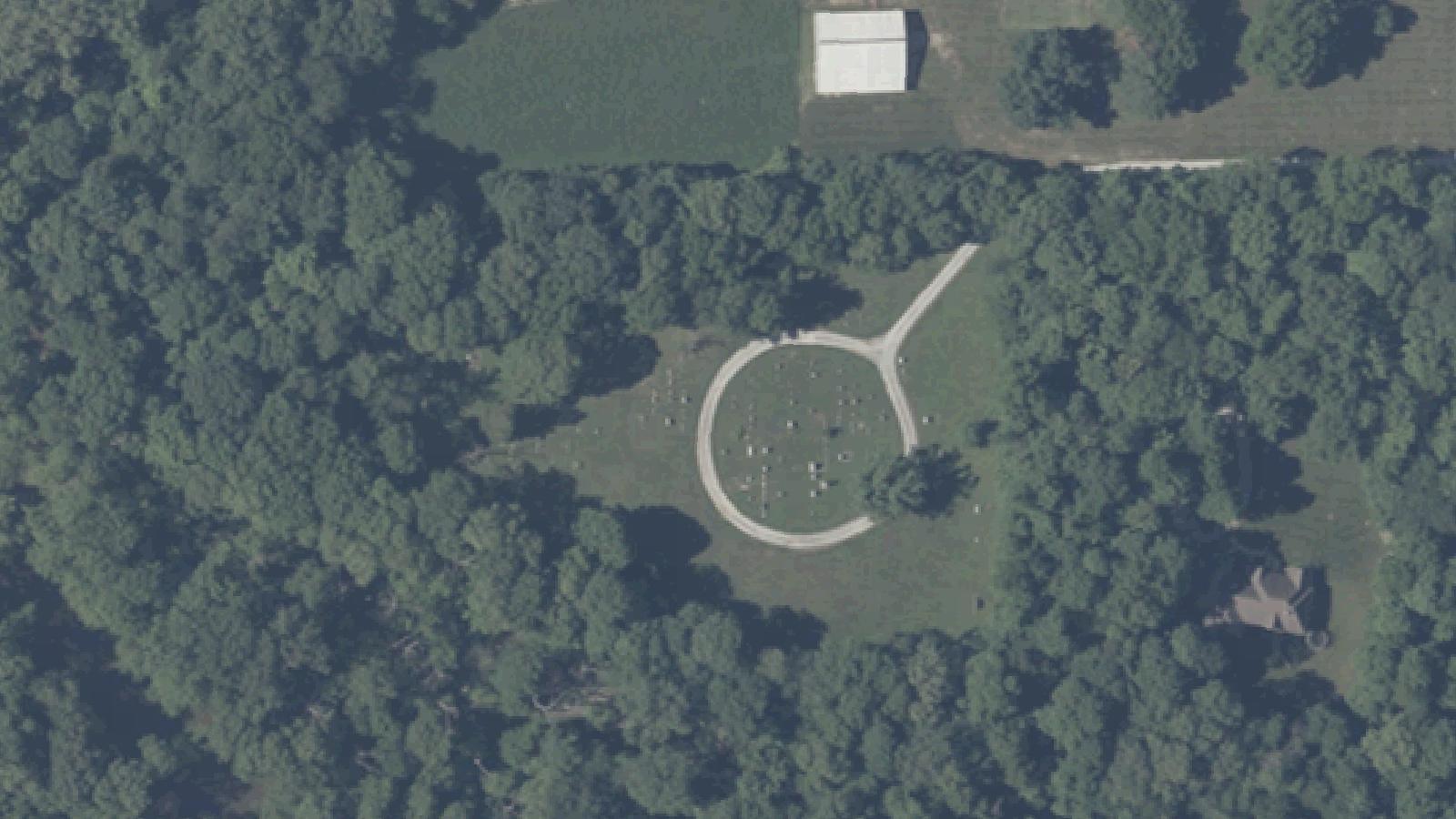
Southeast Grove Cemetery sits on a Lake County backroad at the intersection of 155th Avenue and South Grove Road, a modest burial ground established during the mid-1800s as settlement reached the flat prairie of northern Indiana. Crown Point itself was platted in 1834, and the earliest Lake County homesteaders would have needed burial grounds like this one within a generation of arrival.
The cemetery is better known by its folk name — Gypsy's Graveyard — a designation rooted in a legend that local historian and longtime caretaker Ronnie Breneman flatly disputes. According to the popular account, a band of Romani travelers camped near Crown Point in the 1820s. Locals demanded they leave, the story goes, and when the travelers departed they left behind their dead — the victims of a spreading illness — burying them in shallow mounds that eventually became Southeast Grove Cemetery. The dying cursed the town as they left.
Breneman, who has maintained the cemetery since his own son's burial there, points out the obvious chronological problem: the first settlers in Lake County didn't arrive until the mid-1830s, after the alleged curse supposedly occurred. He adds that a couple of Romani individuals did die in the area historically, but their companions took the bodies elsewhere rather than leaving them in Crown Point. As for any gypsy interments: "There ain't no gypsy graveyard around here."
The legend persists regardless, sustained by decades of retelling and the cemetery's genuinely atmospheric appearance at dusk. Vandalism has been documented at the site, including a disturbing incident in which an occult group exhumed a box of bones and staged a ritualistic display involving animal remains.
Sources
- https://www.lowellpl.lib.in.us/gypsy.htm
- https://www.hoosiermythsandlegends.com/episodes/season-1/episode-14-gypsies-graveyard
OrbsCold spotsShadow figuresApparitions
The paranormal reputation of Southeast Grove Cemetery rests almost entirely on its folk name and the curse narrative attached to it. Visitors have reported seeing unexplained white orbs moving through the grounds after dark, along with cold sensations and shadowy figures near the older headstones. A small number of accounts describe unexplained marks or stains on clothing after cemetery visits.
Longtime caretaker Ronnie Breneman has a different explanation for much of what people experience. He acknowledges performing occasional pranks on ghost hunters who visit — enlisting local accomplices and using decorative items he places throughout the grounds. Statues and rosary beads he has added to the cemetery have been mistaken for paranormal evidence. The unexplained, he suggests, is often the explicable in dim lighting.
That skeptical accounting hasn't slowed visitor interest. The cemetery occupies a genuine folk-legend niche in northwest Indiana, referenced in local ghost-lore collections and podcasts exploring Indiana's supernatural traditions. Whether or not Romani travelers ever set foot near Crown Point, the story itself has become a community artifact — an origin myth for the county's unease with outsiders, preserved in the name of a cemetery that otherwise holds ordinary Lake County dead.