Est. 1912 · Indiana Railroad Era Lodging · Jay County Gas Boom History · Documented Homicide Site
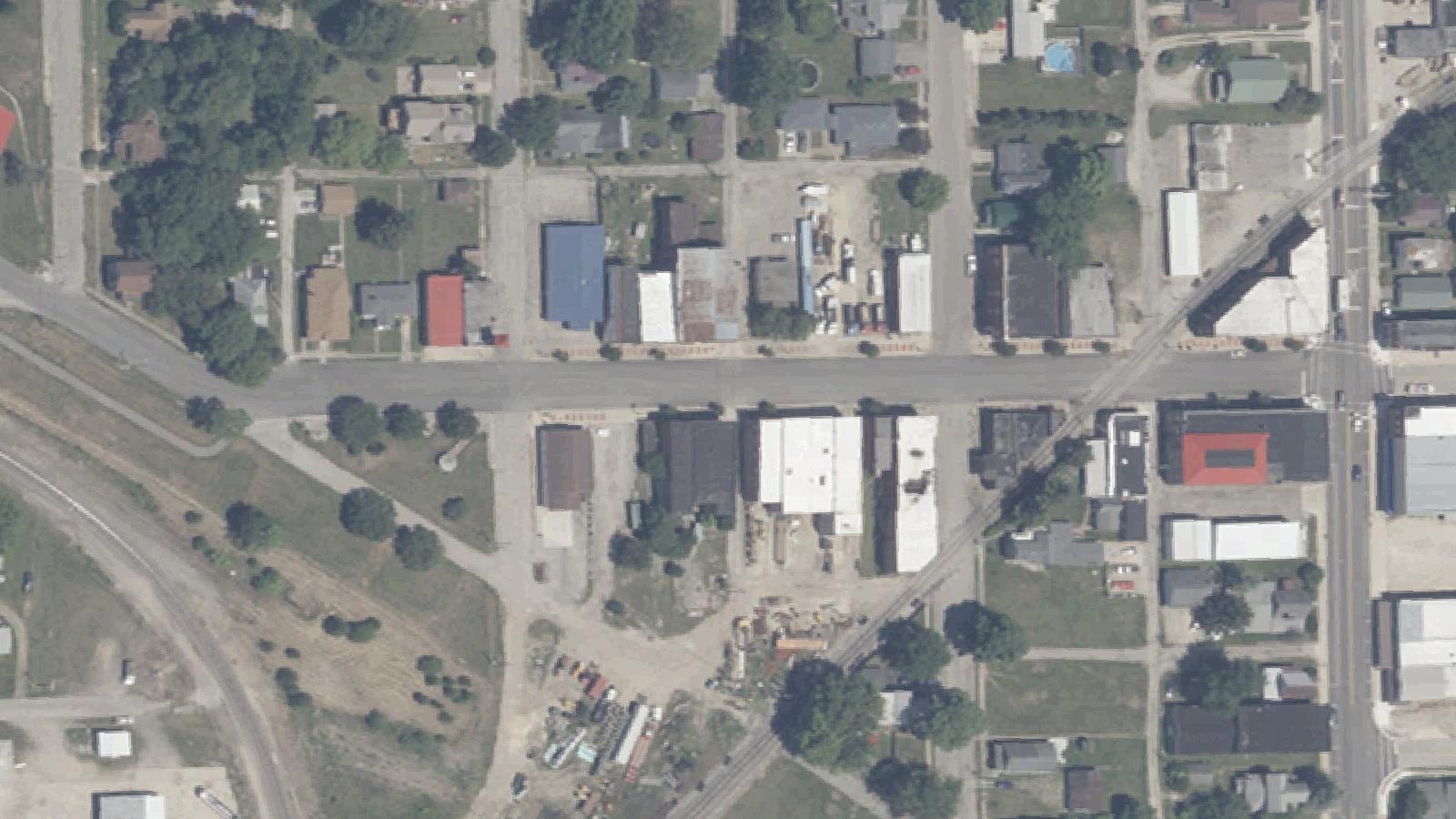
Redkey grew as a railroad stop during Indiana's natural gas boom of the late nineteenth and early twentieth centuries. The Gray Hotel opened in 1912 to serve travelers passing through on the rail lines, establishing itself as the town's primary lodging.
The building's history includes at least two documented homicides. A barber connected to the hotel was murdered and buried under the porch — a discovery that emerged long after the crime. A grocer was killed and his remains dumped in a field outside town. A third possible homicide has been referenced in oral accounts, though documentation is less definitive. The exact dates and circumstances of these crimes are drawn primarily from the building's current operators.
Shadow Patrol Paranormal Investigations now occupies the Gray Hotel and runs organized ghost tours from the site. The Wright State University psychology department studied the building due to the volume of reported paranormal activity, according to accounts provided by the tour operator — though the academic framing of that study has not been independently verified in published research.
Sources
- https://shadowpatrolinvestig.wixsite.com/sppi/haunted-gray-hotel
- https://www.indianahauntedhouses.com/real-haunt/gray-hotel.html
ApparitionsOrbsUnexplained soundsPhysical sensations
The paranormal claims at the Gray Hotel are anchored by its murder history — the buried barber and the field-dumped grocer provide specific, location-tied stories rather than generic haunted-building folklore. Shadow Patrol Paranormal Investigations, which has occupied and studied the building, has produced orb footage from investigations and reports a range of phenomena including apparitions and unexplained sounds.
The claim that Wright State University's psychology department studied the site adds institutional weight to the reported activity, though the nature and findings of that study are not publicly documented in academic literature based on available sources. The building's documented violent history and its continued operation as an active investigation site give it a stronger evidentiary foundation than most rural Indiana haunted venues.